
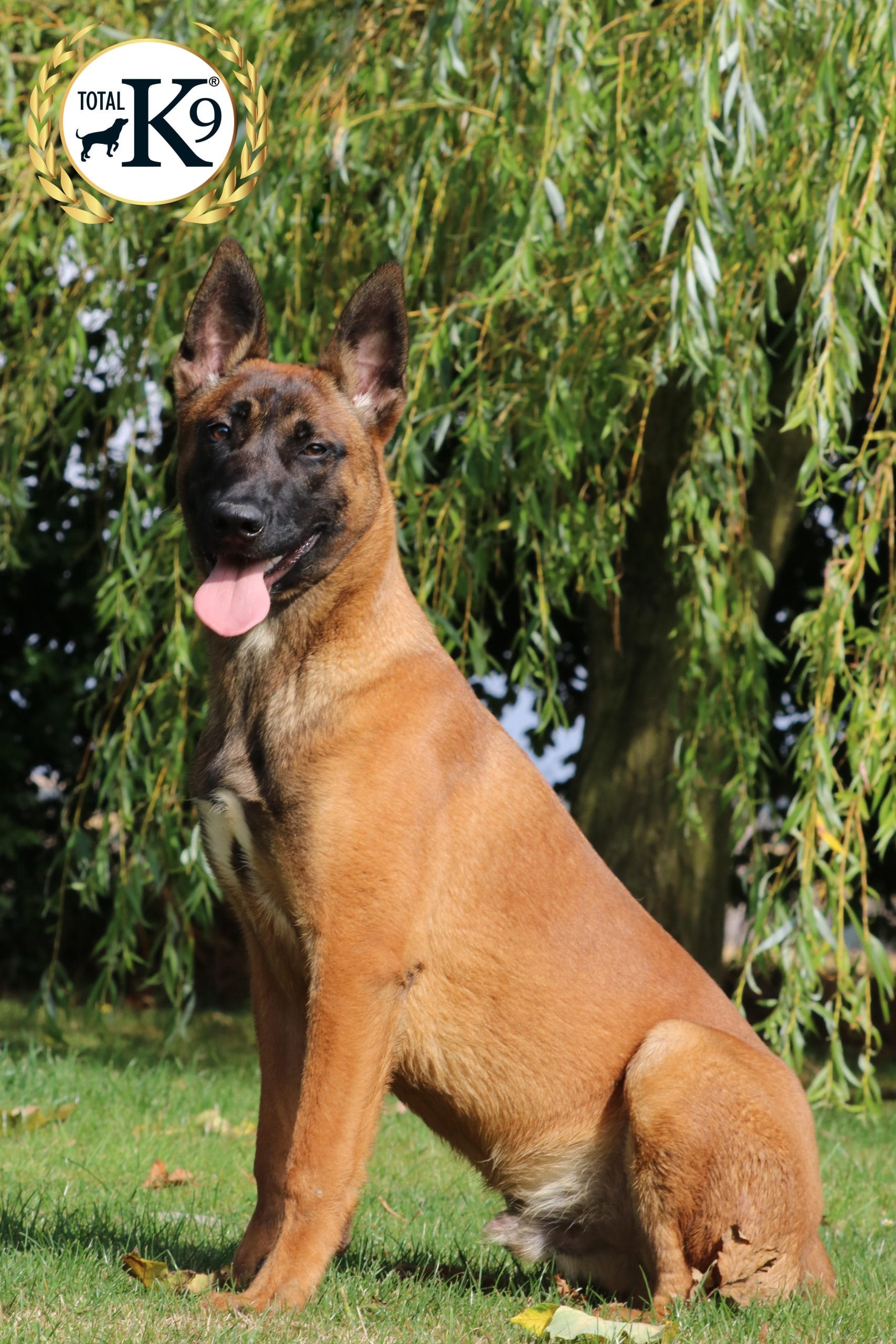
Bringing a protection dog into your life is a significant commitment that goes far beyond basic obedience. It’s about developing a partnership built on trust, clear communication, and consistent training. This journey transforms a well-behaved pet into a reliable guardian, capable of understanding and responding appropriately to perceived threats. The core of successful protection dog training lies in establishing a strong foundation of obedience, gradually introducing specialized skills, and always prioritizing the dog’s well-being and balanced temperament.
Understanding the Foundation: Essential Obedience for Protection Dogs
Before any protection-specific training can begin, a dog must possess an unwavering grasp of basic obedience commands. This isn’t just about sitting or staying; it’s about the dog’s ability to respond reliably to commands even in distracting environments. Commands like “sit,” “stay,” “come,” and “down” are the building blocks. A solid “leave it” command is crucial for preventing the dog from engaging with inappropriate items or distractions. Equally important is a strong recall (“come”), ensuring the dog returns to its handler when called, regardless of what’s happening around them. This level of obedience is not just for show; it’s fundamental to control and safety during any advanced training or real-world scenarios. Consistent practice, positive reinforcement, and gradually increasing distractions are key to mastering these commands. For those starting out, resources on how to train a dog basic commands can provide a comprehensive guide.
The Importance of a Solid “Heel”
The “heel” command is paramount in protection training. It means the dog walks politely by your side, maintaining focus on you. This command is essential for controlling the dog in public and ensuring they don’t lunge or react inappropriately to passersby or other animals. A dog that heels reliably demonstrates self-control and respect for its handler’s direction.
“Stay” Under Pressure
A reliable “stay” command is critical. This means the dog remains in a stationary position until released, even when faced with distractions. For protection work, this can translate to holding a position while you address a situation or ensuring the dog remains calm and in place when approached.
Introducing Protection Concepts: Gradual and Ethical Development
Protection training is not about creating an aggressive animal. It’s about channeling a dog’s natural protective instincts into controlled, directed responses. This is achieved through a phased approach, introducing concepts gradually and ethically.
Scent and Sound Discrimination
A well-trained protection dog needs to differentiate between a genuine threat and everyday occurrences. Training often begins with scent discrimination, where the dog learns to identify specific target odors. This can evolve into responding to specific auditory cues. The goal is to build focus and discernment, teaching the dog to alert to specific triggers rather than reacting to everything.
Controlled Alerting and Barking
The first level of protection is often an alert. This involves teaching the dog to bark and alert its handler to the presence of an unknown person or a suspicious situation. This is a controlled bark, used to inform and deter, not an uncontrolled, aggressive outburst. The dog learns to bark on command and to stop barking when instructed.
Apprehension and Bite Work (Ethical Considerations)
This is the most advanced stage and requires highly skilled, experienced trainers. Bite work is highly controlled and conducted in a safe, simulated environment. It’s not about teaching a dog to bite indiscriminately, but to apprehend a trained “suspect” under specific circumstances. This involves teaching the dog to target a padded sleeve or suit and to hold on command, but also to release on command. Ethical protection training emphasizes control, desensitization, and the dog’s ability to disengage. It is crucial that the dog is not over-stimulated or encouraged to develop generalized aggression. For handlers considering this path, understanding the legal and ethical implications is paramount. Basic concepts of drive and prey work are often introduced here, but always under strict professional supervision. The focus remains on a balanced, confident dog, not a liability.
Building Drive and Focus: The Handler’s Role
A protection dog’s effectiveness relies heavily on the handler’s ability to manage and direct its drive. Drive, in this context, refers to the dog’s motivation and energy to perform tasks.
Positive Reinforcement and Drive Building
Positive reinforcement techniques are crucial for building and maintaining a dog’s drive for training. This can include using high-value rewards like special treats, toys, or praise. The handler must learn to read their dog’s body language to understand when the dog is engaged, confident, or becoming anxious.
Understanding Different Drives
Dogs possess various drives, including prey drive, play drive, and defense drive. Protection training focuses on channeling prey and defense drives appropriately. A dog with high prey drive might be motivated by the chase and the “catch,” while defense drive is more about protecting territory or the handler. Understanding these drives helps in tailoring the training to the individual dog.
A common misconception is that protection dogs are inherently aggressive. In reality, a well-trained protection dog is calm, confident, and responsive, with the ability to discern threats and act decisively when commanded. Aggression in untrained or poorly trained dogs is often a sign of fear or insecurity, not true protection instinct.
Real-World Application and Legal Considerations
Protection dog training should always have a clear purpose and be conducted with legal implications in mind.
Choosing the Right Breed and Temperament
Not all breeds are suited for protection work. Breeds known for their intelligence, loyalty, courage, and stability are typically preferred, such as German Shepherds, Doberman Pinsiders, and Belgian Malinois. However, even within these breeds, individual temperament is key. A dog must have a stable temperament, be confident, and not prone to anxiety or unprovoked aggression.
Legal and Ethical Responsibilities
Owning and training a protection dog comes with significant legal and ethical responsibilities. Handlers must ensure their dog is well-socialized, properly trained, and under control at all times. In many jurisdictions, owning a dog trained for protection may require specific permits or licenses. It is essential to be aware of local laws regarding dog bite incidents and liability. Engaging with a professional, certified trainer is highly recommended to ensure training is conducted safely and legally. Exploring resources on basic dog training contract can highlight the importance of clear agreements and responsibilities.
Maintaining Skills and Continuous Training
Protection skills, like any specialized training, require ongoing maintenance.
Regular Practice and Proofing
Dogs need regular practice to maintain their obedience and protection skills. This involves “proofing” commands in various environments with increasing levels of distraction. Consistent training sessions, even short ones, help reinforce what the dog has learned and prevent skill degradation.
The Handler-Dog Bond
The effectiveness of a protection dog is deeply intertwined with the bond it shares with its handler. A strong, trusting relationship ensures the dog looks to the handler for direction and is motivated to work together. This bond is built through consistent positive interaction, clear communication, and mutual respect.
Basic Protection Dog Training is a rewarding but demanding endeavor. It requires dedication, professional guidance, and a deep understanding of canine behavior. By focusing on a solid obedience foundation, ethical progression of skills, and the handler-dog partnership, you can develop a reliable and trustworthy guardian. Remember, the ultimate goal is not to create a weapon, but a well-balanced, responsive canine companion capable of protecting its family and property when necessary.
