
Embarking on the journey of dog ownership is incredibly rewarding, and a well-behaved canine companion is at the heart of a harmonious human-animal bond. Basic obedience training is not just about teaching your dog to sit or stay; it’s about building a foundation of communication, trust, and mutual respect. This process enriches your life together, ensuring your dog is a joy to be around in all situations. Whether you’re a seasoned dog owner or welcoming your first furry family member, understanding the core principles of basic obedience training for dogs is paramount. This guide will delve into the essential commands, effective techniques, and the underlying philosophy that makes training a positive and successful experience for both you and your dog.
The Foundation of a Well-Behavioned Dog
Before diving into specific commands, it’s crucial to grasp the foundational elements of effective dog training. This involves understanding canine behavior, establishing clear communication, and creating a positive reinforcement environment.
Understanding Canine Communication
Dogs communicate through a complex system of body language, vocalizations, and scent. Learning to read their cues – a wagging tail, flattened ears, a quick lick, or a stiff posture – is the first step in understanding their needs and intentions. This understanding allows us to respond appropriately and build a stronger connection. For instance, recognizing when your dog is feeling anxious or fearful can help you avoid situations that might lead to unwanted behaviors.
The Power of Positive Reinforcement
Positive reinforcement is widely recognized as the most effective and humane approach to dog training. It focuses on rewarding desired behaviors, making it more likely that the dog will repeat them. Rewards can include treats, praise, toys, or petting. This method not only encourages learning but also strengthens the bond between owner and dog, as training becomes a fun and engaging activity rather than a source of conflict.
Consistency is Key
One of the most critical aspects of successful training is consistency. This applies to commands, cues, rules, and rewards. Everyone in the household should use the same words for commands and enforce the same rules. Inconsistency can confuse your dog, hindering their learning process and potentially leading to frustration for both of you. For example, if “down” is sometimes acceptable and sometimes not, your dog will struggle to understand the command.
Essential Basic Obedience Commands
These core commands form the building blocks for a well-behaved dog and are crucial for safety and everyday living.
Sit
The “sit” command is often the first one owners teach their dogs. It’s a simple yet versatile command that can help manage excitement, prevent jumping, and prepare for other training exercises.
How to Teach Sit:
- Hold a treat near your dog’s nose.
- Move the treat slowly upwards and slightly back over their head. As their nose follows the treat, their rear end will naturally lower into a sit.
- The moment their rear touches the ground, say “Sit,” and give them the treat and praise.
- Practice this in short, frequent sessions.
Stay
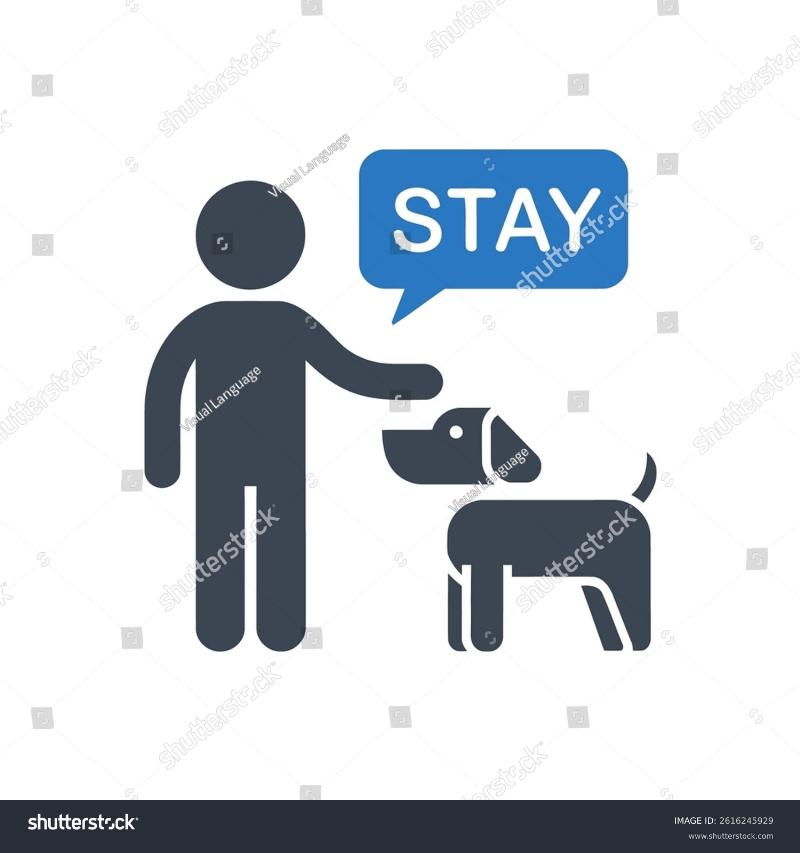
The “stay” command teaches your dog impulse control and patience. It’s essential for safety, preventing your dog from running into traffic or approaching strangers without permission.
How to Teach Stay:
- Ask your dog to “Sit.”
- With your hand open in a “stop” gesture, say “Stay.”
- Take one step back. If your dog remains seated, return, reward, and praise.
- Gradually increase the distance and duration. If your dog moves, calmly guide them back to the original spot and try again with a shorter duration or distance.
 basic-dog-training-stay-command-illustration
Come (Recall)
A reliable “come” command, or recall, is arguably the most important command for your dog’s safety. It ensures they will return to you when called, regardless of distractions.
How to Teach Come:
- Start in a quiet, enclosed area.
- Get your dog excited and call their name followed by “Come!” in a happy, encouraging tone.
- When they run to you, reward them enthusiastically with treats and praise.
- Never call your dog to punish them, as this will create a negative association with coming to you.
- Gradually practice in more distracting environments. Teaching your dog basic commands to teach puppy this early on is vital.
Down
The “down” command is another essential for promoting calmness and providing an alternative position to sitting or standing. It can be particularly useful for settling a dog in public places.
How to Teach Down:
- Ask your dog to “Sit.”
- Hold a treat near their nose and slowly lower it to the ground between their front paws, then drag it slightly away from them.
- As they follow the treat down, say “Down.”
- Reward them when their elbows touch the floor.
- Practice consistently, ensuring they are comfortable in this position.
Leave It
“Leave it” teaches your dog to ignore objects you don’t want them to touch, whether it’s a dropped piece of food, a tempting discarded item on a walk, or even something they shouldn’t chew in the house.
How to Teach Leave It:
- Place a treat on the floor and cover it with your hand. Let your dog sniff or paw at your hand. The moment they pull away, even for a second, say “Yes!” and give them a different treat from your other hand.
- Once they understand, present the treat on the floor without covering it. Say “Leave it.” If they hesitate or look away, reward them with a treat from your other hand.
- Progress to using less valuable items on the floor, eventually working up to more tempting objects.
Advanced Training Techniques and Tips
Once your dog has a solid grasp of the basic commands, you can build upon this foundation with more advanced techniques and helpful tips.
Heel
Teaching your dog to “heel” means they walk politely by your side without pulling on the leash. This makes walks more enjoyable and controlled.
How to Teach Heel:
- Start with your dog on your left side. Hold a treat in your left hand.
- Begin walking. As your dog stays by your side, say “Heel” and offer the treat.
- If they start to pull ahead or lag behind, use a light leash correction and guide them back to the correct position. Reward them for staying close.
- Practice in short bursts and gradually increase the duration. This command is a cornerstone of basic command training for dogs.
Loose-Leash Walking
This is closely related to heeling but focuses on preventing pulling during the entire walk, not just in a formal heel position. The key is to stop walking the moment the leash becomes tight and only resume when the leash slackens.
Socialization
Proper socialization is critical, especially for puppies. Exposing your dog to various sights, sounds, people, and other animals in a positive way during their critical development period (typically up to 16 weeks) helps them grow into well-adjusted adults. This includes controlled introductions and positive experiences.
Dealing with Common Behavioral Issues
Many common behavioral issues stem from a lack of training or unmet needs. Addressing these proactively can prevent them from escalating.
- Jumping: Teach “sit” as an alternative behavior when greeting people.
- Barking: Identify the trigger for barking (boredom, anxiety, alert) and address the root cause. Reward quiet behavior.
- Chewing: Provide appropriate chew toys and redirect chewing behavior away from furniture and belongings. This is a critical part of basic things to train a puppy.
The Role of Breed and Individual Differences
It’s important to remember that every dog is an individual, and breed characteristics can also play a role in training. Some breeds are naturally more independent, while others are eager to please. Tailor your training approach to your dog’s personality, energy level, and breed tendencies. For example, high-energy breeds may require more physical and mental stimulation to focus during training sessions.
Training a Puppy: Early Steps
The principles of training a puppy basic commands are the same as for adult dogs, but starting early is beneficial. Puppies are like sponges, eager to learn and adapt. Focus on positive reinforcement, consistency, and short, fun training sessions. Early potty training and preventing nipping are also crucial initial steps. The basic commands to teach puppy should be introduced gradually, building on their success.
Conclusion: A Rewarding Partnership
Basic obedience training for dogs is an investment in a lifelong partnership. It’s about clear communication, mutual understanding, and fostering a bond built on trust and respect. By dedicating time and effort to consistent, positive training, you’ll not only shape your dog into a well-behaved companion but also deepen the connection you share. Remember, every dog learns at their own pace, so celebrate the small victories and enjoy the journey of discovery with your beloved canine friend. Mastering basic commands for a puppy and continuing this training throughout their life will lead to a happier, more fulfilling relationship for both of you.
