
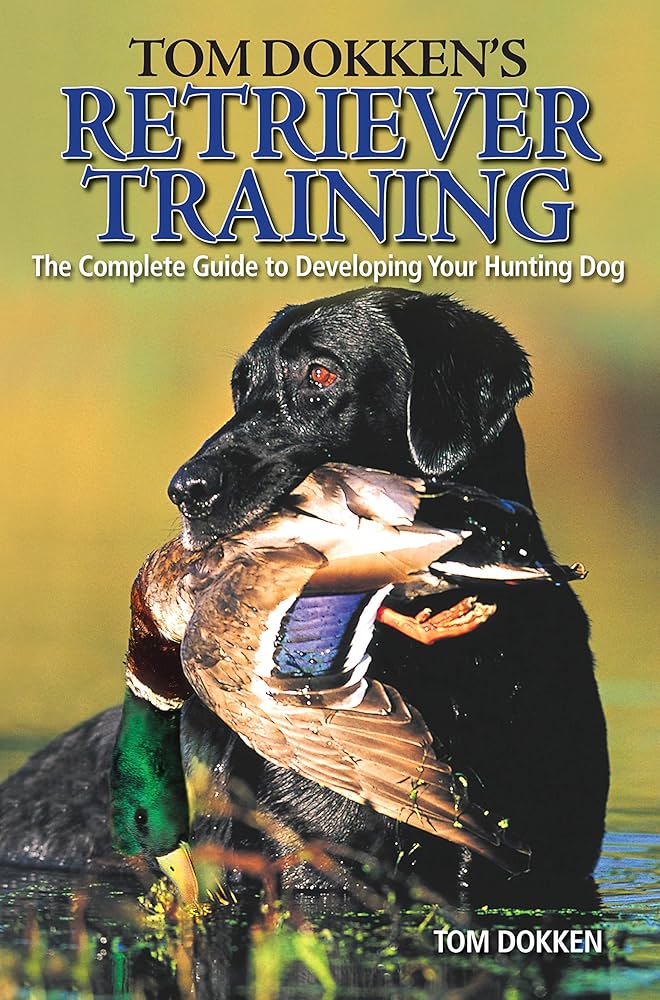
Training a gun dog is a rewarding journey that deepens the bond between you and your canine companion, transforming them into a reliable partner in the field. This process is more than just teaching commands; it’s about building understanding, trust, and a shared language. Whether you’re aiming for success in the hunting season or simply want a well-behaved dog with a strong work ethic, understanding the fundamentals of Basic Gun Dog Training is key. This guide will walk you through the essential steps, focusing on creating a positive and effective training experience.
The journey of training a gun dog, particularly breeds like retrievers, is deeply rooted in their natural instincts. Bred for centuries to assist hunters, these dogs possess a remarkable drive to retrieve. Our goal is to harness this innate ability, refine it through systematic training, and ensure it’s applied correctly and safely. It’s about channeling their energy and intelligence into a focused, obedient performance. For those looking to build a solid foundation, exploring how to train basic dog commands is a crucial first step, as these commands form the bedrock of all advanced training.
Understanding the Gun Dog Mindset
Before diving into specific commands, it’s vital to understand what motivates a gun dog. They thrive on purpose, praise, and clear direction. A successful training program capitalizes on these drives. We aim to make training a positive experience, associating commands and actions with rewards, whether it’s a favorite toy, a tasty treat, or enthusiastic praise. This positive reinforcement approach builds confidence in your dog and strengthens your partnership.
Instincts and Drive
Retrievers, in particular, have a strong prey drive and a natural inclination to carry objects in their mouths. This “soft mouth” is essential for retrieving game without damaging it. Training focuses on nurturing this instinct while teaching them what to retrieve and when. Understanding these inherent traits helps tailor your training methods for maximum effectiveness.
Building Trust and Communication
The foundation of any good training is a strong relationship built on trust. Your dog needs to see you as a fair and consistent leader. Clear communication, using consistent commands and body language, is paramount. This ensures your dog understands what you expect, reducing frustration for both of you.
Essential Foundational Commands
Mastering a few core commands is the first step in any gun dog training program. These commands provide the structure for more complex tasks and ensure your dog’s safety and control in various situations.
“Sit”
The “sit” command is fundamental for impulse control. It teaches your dog to remain in a stationary position until released.
- How to Train: Hold a treat near your dog’s nose. Move it up and back over their head. As their head follows the treat, their rear end will naturally lower. As soon as they sit, say “Sit” and give them the treat and praise. Repeat this many times.
“Stay”
“Stay” is crucial for safety, especially in the field. It teaches your dog to remain in a designated spot until you release them.
- How to Train: Ask your dog to sit. Then, with your palm facing them, say “Stay” and take one small step back. If they remain seated, step back to them, praise, and release them with a word like “Okay” or “Free.” Gradually increase the distance and duration of the stay.
“Come” (Recall)
A reliable recall is non-negotiable for a gun dog. This command ensures your dog returns to you immediately when called.
- How to Train: Start in a quiet, enclosed area. Get your dog excited, then back away from them, using a happy, encouraging tone. Say “Come!” and open your arms. When they reach you, reward them enthusiastically. Never call your dog to punish them; always associate coming to you with positive experiences. Exploring basic gun dog training commands can offer further insights into refining this vital command.
“Down”
Similar to “stay,” the “down” command teaches your dog to lie down and remain in that position.
- How to Train: Ask your dog to sit. Hold a treat at their nose level and slowly lower it to the ground, then slide it away from them. As they follow the treat into a down position, say “Down” and reward them.
Introducing the “Fetch” or “Retrieve” Command
The retrieve is the hallmark of a gun dog. This command teaches your dog to pick up a designated object (like a dummy or a retrieved bird) and bring it back to you.
The Importance of a Soft Mouth
A “soft mouth” means the dog carries the object gently, without puncturing or damaging it. This is especially important when retrieving game birds. Training for a soft mouth starts early with toys and gradually progresses to more sensitive items.
Step-by-Step Retrieve Training
- Encourage Interest: Start by making a training dummy or a favorite toy exciting. Let your dog mouth it and get comfortable holding it.
- The “Take It” Command: Encourage your dog to take the object from your hand. Reward them for holding it.
- The “Drop It” Command: Teach your dog to release the object on command. Trade the object for a treat or a favorite toy.
- Short Throws: Begin with very short throws (a few feet). Encourage your dog to go get the dummy, pick it up, and bring it back to you. Reward them heavily.
- Increasing Distance: As your dog reliably retrieves short distances, gradually increase the throwing distance.
- Introducing Birds (Optional): Once your dog has a solid retrieve on dummies, you can introduce them to retrieving actual birds. Start with older, less desirable birds and ensure the dog is calm and gentle. This often requires more advanced training and expertise. For a comprehensive understanding, refer to gun dog training basics.
Introducing the “Here” Command (Advanced Recall)
While “Come” is a general recall, “Here” is often used in a hunting context to call the dog directly to your side. This command needs to be precise and immediate. This is an excellent example of how to train a dog basic commands that can be advanced for specific purposes.
Introducing the Concept of “Heel”
While not always a primary focus for hunting, a basic “heel” command can be useful for managing your dog in various environments, including around game or other people. It means walking politely by your side without excessive pulling. This is also covered within how to train my dog basic commands.
Positive Reinforcement and Patience
Consistency, patience, and positive reinforcement are the cornerstones of successful gun dog training. Every dog learns at their own pace. Celebrate small victories, and don’t get discouraged by setbacks. Training should be an enjoyable experience for both you and your dog, strengthening your partnership with every session. Remember, the goal is not just to create a skilled hunting partner but to foster a well-behaved, confident, and happy companion.
