
Bringing a dog into your life is an incredibly rewarding experience, but it also comes with responsibilities. One of the most crucial aspects of responsible dog ownership is training. Effective training not only ensures your dog is well-behaved and a pleasure to be around but also strengthens the bond between you and your furry friend. This guide offers essential Basic Dog Training Tips to help you on your journey to a happy, well-adjusted dog. free basic dog training tips
Understanding Your Dog’s Motivation
Before diving into specific commands, it’s vital to understand what motivates your dog. Most dogs are motivated by a combination of things:
- Food: High-value treats (small pieces of cheese, cooked chicken, or special training treats) are powerful motivators, especially when starting out.
- Praise: Enthusiastic verbal praise like “Good boy!” or “Yes!” delivered in a happy tone can be very effective.
- Toys: For some dogs, their favorite toy can be a great reward.
- Affection: Gentle petting or a good scratch can also reinforce good behavior.
Using a mix of these rewards will keep your dog engaged and eager to learn. Remember that what motivates one dog might not motivate another, so observe your dog to discover their favorites.
Essential Basic Dog Training Commands
Consistency and positive reinforcement are the cornerstones of successful dog training. Here are some fundamental commands every dog should learn:
1. Sit
This is often the first command dogs learn and is incredibly useful for impulse control.
- How to teach: Hold a treat near your dog’s nose. Move the treat slowly upwards and slightly over their head. As their nose follows the treat, their rear end will naturally lower into a sit. The moment their bottom touches the ground, say “Sit” and give them the treat and praise.
- Consistency is key: Practice this command in short, frequent sessions throughout the day.
2. Stay
“Stay” teaches your dog to remain in a specific position until released. It’s crucial for safety and helps prevent your dog from running off.
- How to teach: Ask your dog to sit. Then, with your hand held open in front of you (like a stop sign), say “Stay.” Take one step back. If your dog remains in place, step back towards them, praise them, and give a treat. Gradually increase the distance and duration you ask them to stay. If they move, gently guide them back to the original spot and try again, taking a smaller step this time.
- Use a release word: Always use a release word like “Okay!” or “Free!” to signal that they are allowed to move.
3. Come (Recall)
A reliable recall is perhaps the most important command for your dog’s safety.
- How to teach: Start in a quiet, enclosed area. Get down on your dog’s level, use an excited tone, and say “basic dog obedience training tips“. When they come to you, reward them enthusiastically with treats and praise. Never punish your dog if they eventually come to you, even if it took a while; you want them to associate coming to you with positive experiences.
- Practice makes perfect: Gradually increase distractions and practice in different environments.
4. Down
The “down” command is a more relaxed position and can be useful for settling your dog.
- How to teach: Ask your dog to sit. Then, take a treat and move it from their nose straight down to the floor between their front paws, and then slowly drag it away from them along the floor. Most dogs will follow the treat with their nose and drop into a down position. As soon as they are down, say “Down” and give them the treat and praise.
- Patience is a virtue: Some dogs find this command a bit harder than “sit,” so be patient.
5. Leave It
This command teaches your dog to ignore an item, which is vital for preventing them from picking up dangerous objects or food.
- How to teach: Place a low-value treat on the floor and cover it with your hand. Let your dog sniff or paw at your hand. The moment they back away, even for a second, say “Leave it” and give them a higher-value treat from your other hand. Gradually progress to uncovering the treat on the floor, then to leaving items on the floor without covering them.
- Safety first: This command can prevent many dangerous situations.
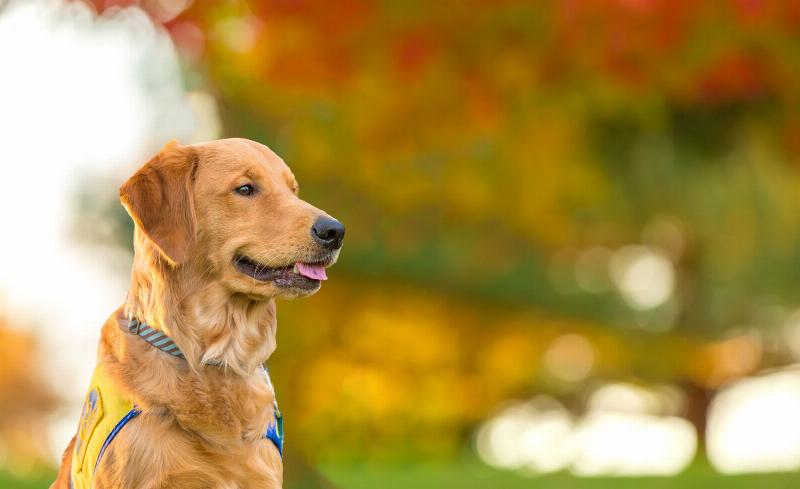 Key aspects of basic dog training for a happy canine companion
The Power of Positive Reinforcement
Positive reinforcement is the most effective and humane way to train dogs. It involves rewarding desired behaviors, making it more likely that the dog will repeat them. This approach builds trust and strengthens the relationship between you and your dog, unlike punishment-based methods which can lead to fear, anxiety, and aggression.
- Timing is everything: Reward your dog immediately after they perform the desired behavior. This helps them connect the action with the reward.
- Keep it short and fun: Training sessions should be short (5-10 minutes) and enjoyable for both you and your dog. Several short sessions are more effective than one long one.
- Be consistent: Use the same cues (words and hand signals) every time. Ensure everyone in the household is on the same page with commands and rewards.
Socialization: A Crucial Component
Socialization is the process of exposing your puppy or dog to various people, places, sounds, and other animals in a positive and controlled way. Proper socialization, especially during puppyhood, is critical for developing a well-adjusted, confident, and friendly adult dog.
- Early exposure: Introduce your puppy to different sights and sounds – vacuum cleaners, doorbells, traffic, children playing – in a way that isn’t overwhelming.
- Safe interactions: Arrange supervised playdates with vaccinated, friendly dogs.
- Positive experiences: Ensure all new experiences are positive. If your dog seems scared, don’t force them; create distance and associate the new stimulus with treats. basic training for dogs at home
Addressing Common Training Challenges
Even with the best intentions, you might encounter challenges.
- Jumping up: Teach your dog to sit when greeting people. Ignore them when they jump, and reward them with attention only when all four paws are on the floor.
- Chewing: Provide appropriate chew toys and redirect your dog to them when they chew on inappropriate items. Ensure they get enough physical and mental exercise.
- House training: Consistency is key. Take your dog out frequently, especially after waking up, after meals, and after playtime. Reward them generously for pottying outside. Clean up accidents thoroughly with an enzymatic cleaner to eliminate odors.
When to Seek Professional Help
While many basic training issues can be resolved with patience and consistency, some dogs may require professional guidance. If you’re struggling with specific behaviors, aggression, or severe anxiety, consult a certified professional dog trainer or a veterinary behaviorist. They can provide personalized strategies and support. basic dog training in del mar ca
Conclusion: The Journey of a Thousand Miles
Training your dog is an ongoing journey, not a destination. By implementing these basic dog training tips with patience, consistency, and positive reinforcement, you’ll build a strong foundation for a happy, well-behaved companion. Remember that every dog is an individual, and celebrating their progress, no matter how small, makes the process enjoyable for both of you. Keep training fun, and you’ll be well on your way to a lifetime of wonderful memories with your canine friend. beyond basic dog training in fayetteville
