
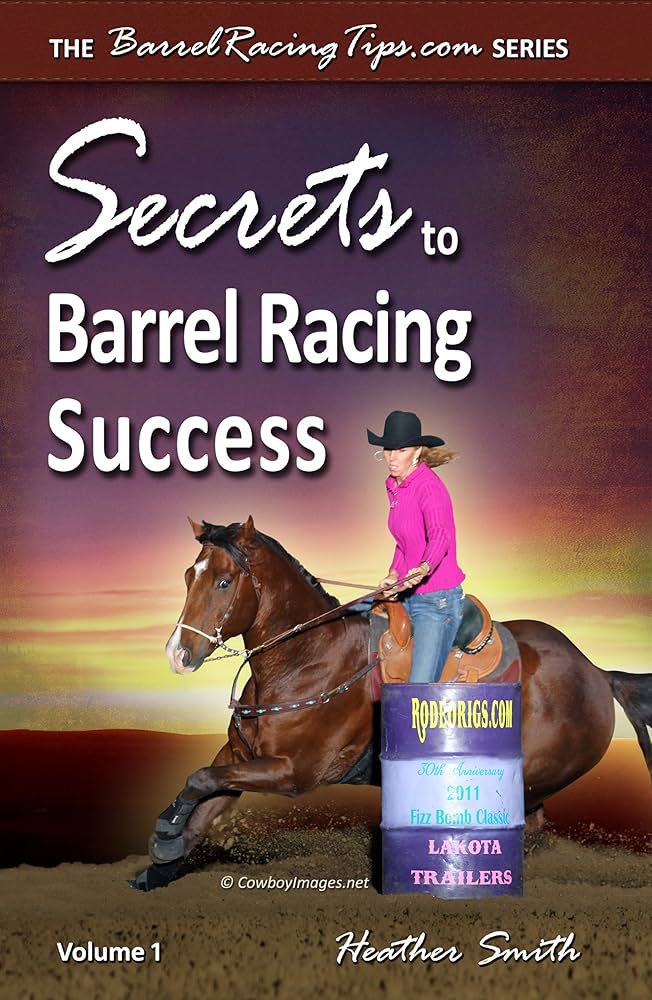
Barrel racing is a thrilling rodeo sport that demands a unique blend of speed, agility, precision, and a deep partnership between horse and rider. Achieving success in this fast-paced discipline requires more than just a talented horse; it hinges on effective training that hones specific skills and builds unwavering trust. This guide delves into essential Barrel Horse Training Tips, focusing on techniques that enhance performance, encourage a willing equine partner, and promote the ethical development of your barrel racing horse. Whether you’re a seasoned competitor looking to refine your methods or a newcomer embarking on your barrel racing journey, these insights will help you cultivate a stronger bond and achieve greater success.
Understanding the Core of Barrel Racing
Before diving into specific training techniques, it’s crucial to grasp the essence of barrel racing. The objective is simple: to complete a cloverleaf pattern around three barrels in the fastest possible time. However, the execution involves complex maneuvers that require a horse to accelerate, turn tightly, and accelerate again, all while maintaining balance and responsiveness. This places immense physical and mental demands on the horse, making a well-structured training program indispensable. The horse must not only be physically conditioned but also mentally prepared to understand cues, anticipate turns, and execute the pattern with confidence and efficiency.
Foundational Training Principles
Effective barrel horse training is built upon a bedrock of fundamental principles that prioritize the horse’s well-being and long-term athletic development.
Establishing a Strong Foundation with Basic Horsemanship
The journey to becoming a proficient barrel horse begins with solid horsemanship fundamentals. This includes ensuring your horse is responsive to basic commands such as leg pressure, rein cues, and voice commands. A horse that understands and readily obeys these basic aids will be far more receptive to the specialized training required for barrel racing. Spend time on groundwork, lunging, and consistent riding exercises that reinforce obedience and responsiveness. This foundational work builds the communication bridge between you and your horse, which is paramount for advanced maneuvers.
Building Trust and Communication
The partnership between a barrel racer and their horse is built on trust. A horse that trusts its rider is more likely to take risks, respond willingly to cues, and perform at its peak. Foster this trust through consistent, fair, and patient training. Avoid harsh methods or punishment, as these can create fear and anxiety, undermining confidence and responsiveness. Positive reinforcement, clear communication, and understanding your horse’s individual personality and needs are key to building a strong, trusting relationship. This is similar to how a race horse trainer practice test emphasizes clear communication with the jockey.
Importance of Conditioning and Fitness
Barrel racing is physically demanding. Your horse needs to be in peak physical condition to handle the intense bursts of speed, sharp turns, and repeated accelerations. Incorporate a well-rounded conditioning program that includes:
- Aerobic exercise: Galloping sets and extended trots to build stamina.
- Strength training: Exercises that build hindquarter and core strength, essential for powerful turns and acceleration. This might include hill work or specific exercises designed to engage hindquarter muscles.
- Flexibility and suppleness: Exercises like serpentines, circles, and lateral work help improve the horse’s suppleness and range of motion, crucial for efficient turns.
Always introduce new exercises gradually and monitor your horse for signs of fatigue or strain. Consult with a veterinarian or equine conditioning specialist to develop a program tailored to your horse’s needs and current fitness level.
Specific Barrel Training Techniques
Once a solid foundation is established, you can begin introducing techniques specifically designed for barrel racing.
Introduction to Barrels
Start by introducing your horse to the barrels in a calm and controlled environment.
- Longeing around barrels: Begin by longeing your horse around a single barrel at a walk, then a trot. This allows the horse to become familiar with the barrel’s presence without the added complexity of rider cues. Gradually progress to longeing around two barrels, and eventually the full pattern.
- Riding pattern introductions: Once comfortable on the longe, begin riding the pattern at a walk, then a trot. Focus on smooth transitions and clear cues. Initially, you might guide your horse with your hands and legs to show them the path. The goal here is familiarity and understanding the course. This is where understanding horse training school methodologies can be beneficial.
Refining Turn Technique
The turn is the most critical element of barrel racing. Your horse needs to be taught how to make efficient, tight turns while maintaining momentum and balance.
- Inside lead turns: Ensure your horse consistently picks up the correct lead for each turn. For a cloverleaf pattern, the horse should typically be on the inside lead when rounding the barrels. Practice lead departures and changes diligently.
- Using your body: Learn to use your body weight effectively to help your horse through the turn. Lean in, drop your inside rein slightly, and use your outside rein to support and guide. Your cues should be subtle yet clear.
- The “pocket” of the turn: Teach your horse to drive through the turn and “set up” for the next run. This involves anticipating the exit of the turn and preparing for acceleration. Think about creating a “pocket” that allows the horse to turn sharply and then drive forward. Quarter horse training often emphasizes this precise turn execution.
Speed and Acceleration Drills
Once your horse is comfortable with the pattern and turns, focus on building speed and improving acceleration.
- Working the pattern at speed: Gradually increase the speed at which you ride the pattern. Start with short bursts of speed between barrels and gradually work up to full speed runs.
- Acceleration drills: Practice acceleration out of the turns. This involves cueing your horse to drive forward powerfully the moment they exit the turn. Drills like “whoa-go” exercises can help develop this responsiveness.
- Maintaining collection: While speed is crucial, it’s also important that your horse remains collected and responsive. Avoid letting them “run through” your cues. They should be fast but still listen to your directions.
Cue Management and Responsiveness
Timing and precision of cues are vital. Your horse should respond instantly and accurately to your signals.
- Subtle cues: Aim to use the subtlest cues possible. As your horse becomes more trained, your legs, hands, and even your eyes will convey the necessary information. This reduces the chance of over-cueing or confusing the horse.
- Consistency: Be consistent with your cues. Use the same signals for the same maneuvers every time. This helps your horse understand what you are asking for and builds reliability.
- “Whoa-Go” drills: Practice stopping and starting quickly and promptly. This builds responsiveness and teaches the horse to react instantly to your cues. This could be compared to the responsiveness taught in parelli horse training 7 games.
Addressing Common Challenges
Even with the best training, challenges can arise. Identifying and addressing them promptly is key.
Barrel Running Away or Leaning In
If your horse consistently runs away from a barrel or leans excessively into it, it might indicate fear, lack of confidence, or improper training.
- Desensitization: Go back to basics. Longe around the barrels, walk around them, and reward calm behavior.
- Rider error: Assess your own riding. Are you leaning too far in, causing the horse to compensate? Are your cues clear and supportive?
- Gradual progression: Ensure you are not asking too much too soon. Build confidence with each step.
Lead Departure Issues
Incorrect lead departures are common. If your horse struggles to pick up the correct lead, it will significantly impact their turn efficiency.
- Practice lead departures at a halt: Start by asking for the lead from a standstill.
- Transitions: Practice smooth upward and downward transitions, ensuring the correct lead is picked up or maintained.
- Groundwork: Sometimes, groundwork exercises can help a horse understand which lead to pick up.
Lack of Drive or Hesitation
If your horse lacks drive or hesitates entering turns, it could be a sign of fear, fatigue, or a lack of understanding.
- Build confidence: Revisit barrel introductions and pattern work at slower speeds, rewarding forward movement.
- Improve fitness: Ensure your horse is physically capable of the demands.
- Check your cues: Make sure your cues for forward movement are clear and encouraging.
The Role of Psychology in Training
Understanding the psychology of your horse is as important as the physical techniques.
Positive Reinforcement
Rewarding desired behaviors, whether with a treat, a scratch, or verbal praise, strengthens the connection and encourages the horse to repeat the action. Positive reinforcement makes training a more enjoyable experience for both horse and rider.
Building Confidence
A confident horse performs better. Create training scenarios where success is likely, and gradually increase the difficulty. Celebrate small victories and provide a safe environment for your horse to learn and make mistakes without harsh correction. This mirrors the confidence-building in some approaches to schleich trained horse simulations where the user learns through positive engagement.
Patience and Consistency
Horse training is a marathon, not a sprint. Patience is crucial, especially when encountering setbacks. Consistency in your training methods, schedule, and expectations helps your horse understand the rules and builds reliability.
Conclusion: Cultivating a Champion Barrel Horse
Training a barrel horse is a rewarding journey that requires dedication, knowledge, and a deep respect for your equine partner. By focusing on foundational horsemanship, building a strong bond of trust, implementing specific barrel training techniques, and understanding equine psychology, you can cultivate a horse that excels in the arena and enjoys the partnership. Remember that every horse is an individual, so adapt your training methods to suit their unique needs and capabilities. With consistent effort and a compassionate approach, you and your barrel horse can achieve new heights of success and forge an unforgettable partnership.
