
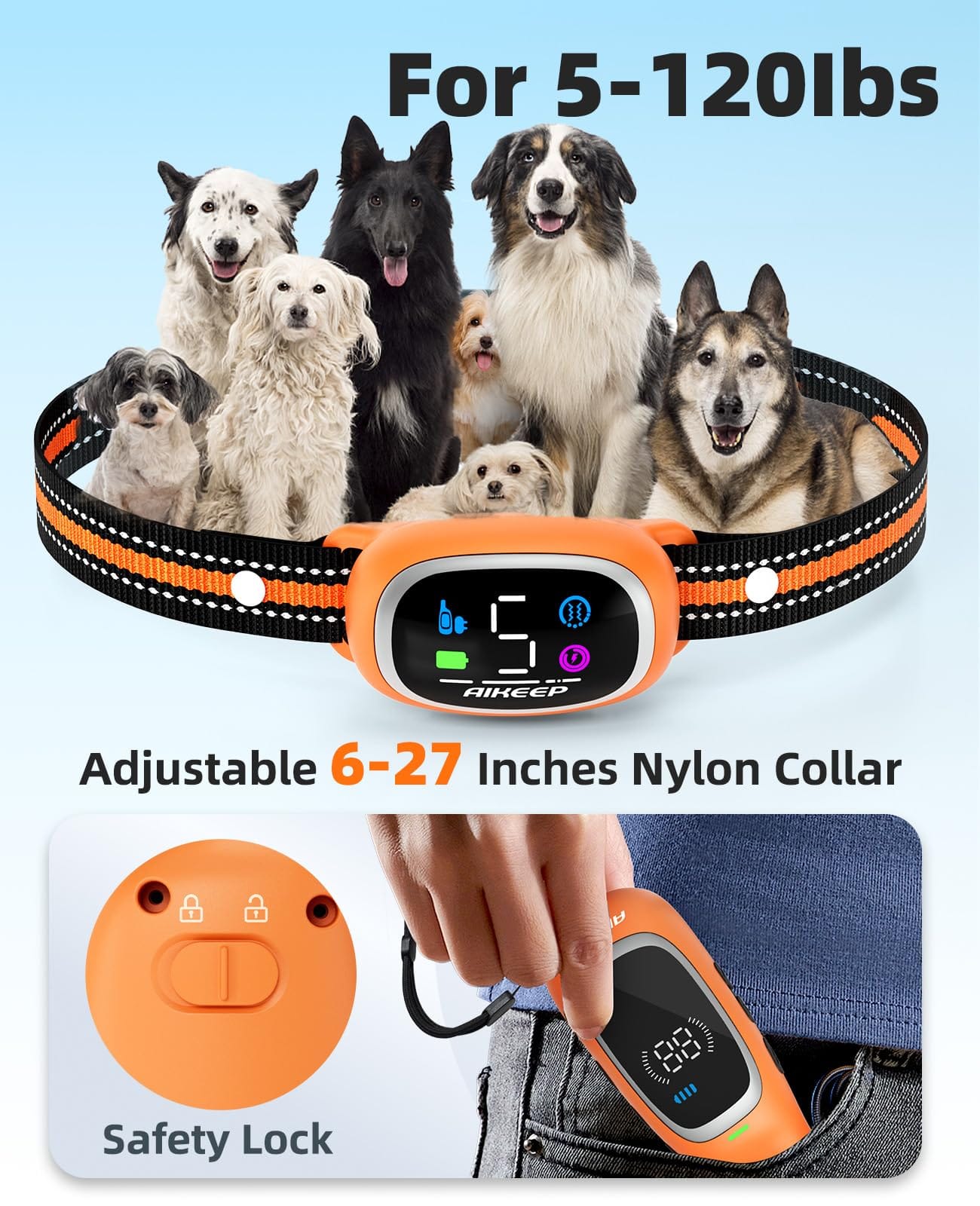
A Barking Dog Training Collar can be a valuable tool for managing excessive vocalization in dogs, offering a humane and effective way to address nuisance barking. Understanding how these collars work, their benefits, and responsible usage is key to successfully integrating them into your training regimen. This guide aims to provide a thorough overview of barking dog training collars, helping you make informed decisions for your canine companion.
Understanding Excessive Barking in Dogs
Before delving into training collars, it’s essential to understand why dogs bark. Barking is a natural form of communication for dogs, used to express a range of emotions and needs, including excitement, fear, boredom, attention-seeking, or territorial warnings. Excessive barking, however, can become a nuisance for owners and neighbors alike. Common triggers for persistent barking include:
- Anxiety and Fear: Separation anxiety, fear of loud noises, or fear of strangers can lead to distress barking.
- Boredom and Lack of Stimulation: Dogs that aren’t mentally or physically exercised enough may bark out of frustration or to seek attention.
- Territoriality and Alarm: Barking at perceived threats, such as people or animals approaching their territory.
- Attention-Seeking: Learning that barking gets them what they want, like treats, play, or petting.
- Medical Issues: In some cases, underlying medical conditions can contribute to increased vocalization.
Identifying the root cause of your dog’s barking is the first and most crucial step in addressing the problem. A barking dog training collar is a supplementary tool, not a standalone solution.
How Do Barking Dog Training Collars Work?
Barking dog training collars are designed to deter excessive barking by providing a corrective stimulus when the dog barks. There are several types of correction mechanisms:
1. Vibration Collars
These collars detect the vibration of a dog’s vocal cords when they bark. Upon detection, the collar emits a vibration, which can range in intensity. The goal is for the dog to associate the vibration with their barking and learn to suppress the behavior to avoid the sensation. This is often considered the most humane option as it avoids any physical discomfort.
2. Sound (Auditory) Collars
Similar to vibration collars, sound collars also detect barking. Instead of a vibration, they emit a high-frequency sound that is unpleasant to dogs but generally inaudible to humans. The idea is that the dog will stop barking to escape the irritating sound.
3. Citronella (Spray) Collars
These collars release a burst of citronella spray around the dog’s muzzle when barking is detected. Citronella has a scent that most dogs find unpleasant, serving as a deterrent. The spray is non-toxic and dissipates quickly.
4. Static (Electronic Stimulation) Collars
These collars deliver a mild electric stimulation, often referred to as a “shock,” when the dog barks. The intensity of the stimulation can usually be adjusted. This method relies on a more direct form of correction, aiming to interrupt the barking behavior immediately. It’s crucial to use these collars with extreme caution and proper understanding, as improper use can cause distress or fear.
It’s important to note that advanced models, such as a dog tracking and training collar, may integrate these correction features with GPS tracking capabilities, allowing owners to monitor their dog’s location and manage barking remotely.
Benefits of Using a Barking Dog Training Collar
When used correctly and responsibly, barking dog training collars can offer several advantages:
- Reduces Nuisance Barking: The primary benefit is curbing excessive barking that disturbs neighbors or disrupts the household.
- Consistency: Collars provide a consistent correction that doesn’t rely on the owner always being present to intervene.
- Discourages Undesirable Behavior: They help dogs learn to associate barking with an unpleasant sensation, leading to a reduction in the frequency and intensity of barking.
- Can Complement Other Training: These collars can be used alongside positive reinforcement training methods to strengthen desired behaviors and discourage unwanted ones.
- Suitable for Various Situations: They can be helpful for dogs who bark excessively when left alone, at passersby, or during specific triggers.
For owners looking for versatile solutions, a dog training collar with vibration can be an excellent starting point due to its non-aversive nature.
Choosing the Right Barking Dog Training Collar
Selecting the appropriate collar depends on your dog’s temperament, the nature of their barking, and your personal preference for correction methods.
Factors to Consider:
- Dog’s Size and Temperament: A small, sensitive dog might be overwhelmed by a strong static correction, while a larger, more stubborn dog might require a more significant stimulus.
- Type of Correction: As discussed, vibration, sound, spray, and static collars offer different levels of intervention. Start with the least intrusive method that you believe will be effective.
- Adjustability: Look for collars with adjustable levels of correction. This allows you to fine-tune the stimulus to your dog’s needs and gradually decrease it as they improve.
- Safety Features: Ensure the collar has safety mechanisms, such as automatic shut-off after a certain number of barks or progressive correction levels, to prevent over-correction.
- Fit and Comfort: The collar should fit snugly but comfortably around your dog’s neck, allowing for two fingers to fit between the collar and the dog’s neck. It should not chafe or irritate the skin.
- Water Resistance: If your dog spends time outdoors or you live in a rainy climate, consider a water-resistant or waterproof model.
For those interested in training and walking, a dog collars training walking system might incorporate features beyond just bark control, assisting with leash manners as well.
Responsible Use and Training Tips
Using a barking dog training collar effectively requires more than just fitting it onto your dog. Responsible usage is paramount to ensure your dog’s well-being and successful training.
Getting Started:
- Consult a Professional: Before using any training collar, especially a static one, consult with a veterinarian or a certified professional dog trainer. They can help diagnose the cause of barking and guide you on the best training approach.
- Understand the Collar: Read the manufacturer’s instructions thoroughly. Familiarize yourself with all settings and safety features.
- Proper Fit: Ensure the collar is fitted correctly. A loose collar may not detect barking accurately, while a tight one can cause discomfort or skin irritation.
- Introduce Gradually: Introduce the collar gradually. Allow your dog to wear it for short periods initially, without any correction, so they get accustomed to its presence.
- Start with Low Settings: Begin with the lowest setting for the chosen correction type (vibration, sound, or static). The goal is to interrupt the barking, not to cause pain or fear.
- Observe Your Dog: Pay close attention to your dog’s reaction. If they show signs of extreme distress, fear, or anxiety, discontinue use and reassess the situation.
- Combine with Positive Reinforcement: The collar should be a tool to deter unwanted barking, not the sole method of training. Pair the collar’s correction with positive reinforcement for quiet behavior. Reward your dog with praise, treats, or a favorite toy when they are quiet, especially after a correction.
- Address the Root Cause: Remember that the collar suppresses the symptom (barking), but doesn’t solve the underlying issue. Continue to address the reason why your dog is barking through environmental management, desensitization, counter-conditioning, and increased exercise or mental stimulation.
A dog barking training collar is most effective when used as part of a comprehensive behavior modification plan.
When NOT to Use a Barking Dog Training Collar:
- Puppies Under 6 Months: Young puppies are still developing and may be more sensitive to corrections.
- Dogs with Certain Medical Conditions: Consult your vet if your dog has respiratory issues, heart problems, or is pregnant.
- Fearful or Anxious Dogs: If your dog’s barking stems from deep-seated fear or anxiety, aversive methods can exacerbate these issues. Focus on building their confidence and addressing their fears with positive, force-free techniques.
- Dogs with Existing Aggression Issues: Using correction collars on aggressive dogs can increase their anxiety and potentially lead to redirected aggression.
- When You Don’t Know the Cause of Barking: Always rule out medical or behavioral issues with a professional before resorting to a training collar.
Alternatives and Complementary Training Methods
While barking dog training collars can be effective, they are not the only solution, and often best used in conjunction with other methods.
- Basic Obedience Training: Commands like “quiet” or “speak” can give you more control over your dog’s vocalizations. Teaching a “place” command can also help redirect a dog barking at the door.
- Environmental Management: If your dog barks at stimuli outside, block their view by closing curtains or using frosted window film. Provide engaging toys or puzzle feeders to keep them occupied.
- Increased Exercise and Mental Stimulation: A tired dog is often a quiet dog. Ensure your dog gets adequate physical exercise and mental challenges through training games, puzzle toys, and scent work.
- Desensitization and Counter-Conditioning: For fear-based barking (e.g., thunderstorms, strangers), gradually expose your dog to the trigger at a low intensity while pairing it with positive experiences.
- “Quiet” Command Training: Teach your dog to stop barking on command. When your dog barks, let them bark a few times, then say “Quiet,” and when they stop, immediately reward them.
For ongoing training and management, consider a dog training collar with vibration as a gentler option to begin with, or explore how a dog training collar with vibration and sound might work for your specific dog’s needs.
Conclusion: Empowering Responsible Dog Ownership
A barking dog training collar can be a powerful aid in managing excessive vocalization, contributing to a more harmonious living environment for both pets and their owners. However, its effectiveness hinges on responsible use, a deep understanding of canine behavior, and a commitment to addressing the underlying causes of barking. By choosing the right collar, introducing it carefully, and always prioritizing positive reinforcement and professional guidance, you can leverage these tools to foster better communication and a stronger bond with your beloved canine companion. Remember, the goal is not just a quiet dog, but a happy, well-adjusted dog.
