
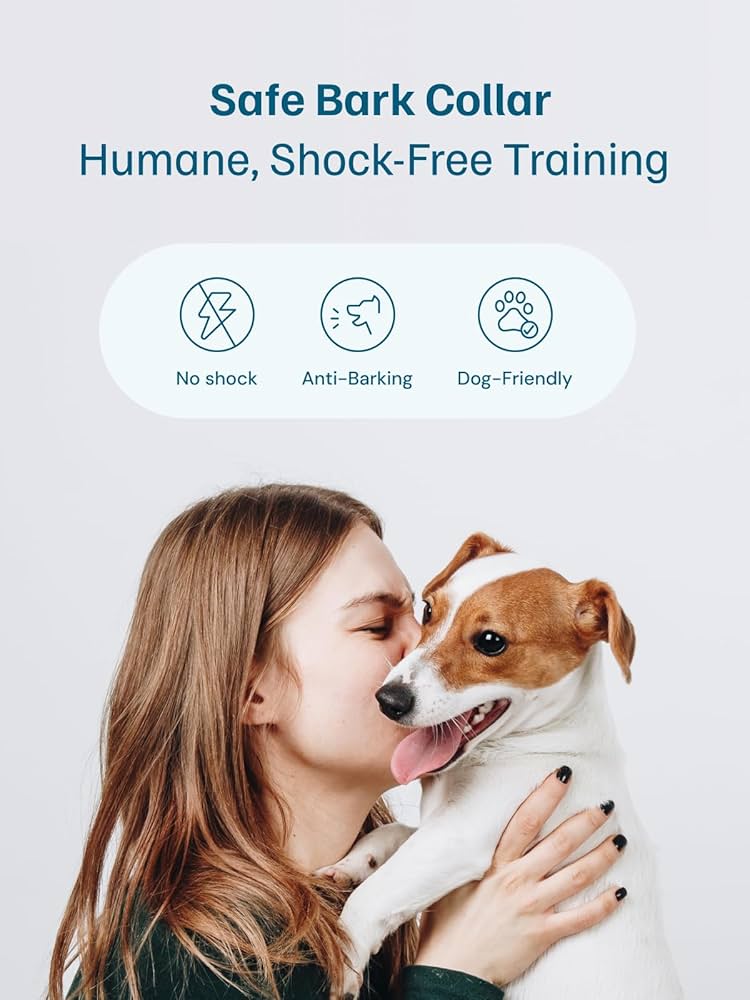
As devoted dog owners, we all cherish our furry companions, but sometimes, excessive barking can become a challenge. Whether it’s a neighbor’s dog constantly barking, or your own pup alerting you to every passing leaf, persistent barking can strain relationships and disrupt peace. Fortunately, technology offers solutions, and among the most effective are bark collars designed for dog training. This guide delves into the world of bark collars, exploring how they work, their benefits, different types available, and crucial considerations to ensure they are used safely and ethically to help your dog learn.
Understanding How Bark Collars Work
At their core, bark collars are designed to interrupt a dog’s barking cycle by providing a stimulus. This stimulus is intended to be unpleasant enough to deter the dog from barking again, but not so severe as to cause harm or undue distress. The goal is to associate the act of barking with an unwanted sensation, gradually teaching the dog to refrain from barking excessively.
The mechanism typically starts with a vibration sensor or a microphone that detects when the dog barks. Once triggered, the collar emits a stimulus. Modern bark collars offer various stimulus types, which we’ll explore further. The key is that the stimulus is delivered immediately after the bark, creating a clear cause-and-effect link in the dog’s mind. With consistent and correct use, many dogs learn to control their barking, leading to a quieter and more harmonious household.
The Benefits of Using Bark Collars for Training
When used appropriately, bark collars can offer several advantages for dog training:
- Effective Barking Control: They are highly effective in reducing nuisance barking, which can be a persistent problem for many owners. This is particularly useful for dogs that bark out of boredom, anxiety, or attention-seeking.
- Reduced Disruption: Less barking means a more peaceful environment for you, your family, and your neighbors. This can be crucial in apartment living or densely populated areas.
- Faster Training: The immediate feedback provided by the collar can accelerate the learning process compared to traditional methods, especially for deeply ingrained barking habits.
- Consistency: The collar provides a consistent correction every time the dog barks, unlike a human trainer who may not always be present or able to react instantly.
- Safe Alternative: Reputable bark collars are designed with dog safety as a priority, using levels of stimulation that are firm but not harmful.
It’s important to remember that bark collars are training tools, not a standalone fix. They should be used as part of a comprehensive training program that addresses the root cause of the barking.
Types of Bark Collars Available
The market offers a variety of bark collars, each employing different methods to deter barking. Understanding these options will help you choose the best fit for your dog and training situation:
1. Static Shock Collars
These are perhaps the most well-known type. When the collar detects barking, it delivers a mild, but perceptible, static electric stimulation. The intensity of the shock can often be adjusted. While effective for many dogs, some owners have concerns about the use of shock, especially if not used with care and understanding.
2. Vibration Collars
Vibration collars use a harmless vibration to interrupt the barking. This is a gentler alternative to static shock and is often preferred by owners who want to avoid any form of electrical stimulation. The vibration can be quite noticeable to the dog, effectively startling them out of their barking fit.
3. Tone Collars (Audible Sound Collars)
Tone collars emit a high-frequency sound when the dog barks. This sound is often irritating or unpleasant to dogs, causing them to stop barking. Like vibration collars, these are a non-shock option, relying on an auditory cue to deter the behavior.
4. Citronella (Spray) Collars
These collars release a burst of citronella spray in front of the dog’s nose when they bark. The scent is designed to be a harmless but noticeable deterrent. While generally considered safe, some dogs may become desensitized to the spray over time, or it might not be effective for all breeds or individual dogs.
Choosing the Right Bark Collar for Your Dog
Selecting the most appropriate bark collar involves considering several factors:
- Your Dog’s Temperament and Sensitivity: Some dogs are more sensitive than others. A highly sensitive dog might respond well to a vibration or tone collar, while a more stubborn dog might require a different approach. It’s always best to start with the lowest possible stimulation level and gradually increase it only if necessary.
- The Cause of Barking: Understanding why your dog barks is crucial. If the barking is due to separation anxiety or fear, a bark collar might not be the most effective solution and could even exacerbate the issue. In such cases, professional behavioral modification is recommended. Bark collars are best suited for dogs barking out of boredom, excitement, or territoriality.
- Collar Features: Look for collars with adjustable sensitivity and stimulation levels. Automatic shut-off features are also important to prevent over-correction if the dog barks continuously. Many collars also have progressive levels, meaning the intensity increases with each subsequent bark within a set period.
- Fit and Comfort: Ensure the collar fits your dog snugly but comfortably. It should not be too tight, as this can cause irritation or restrict breathing. The contact points for static or vibration collars should rest against the dog’s skin.
- Brand Reputation and Reviews: Research different brands and read customer reviews. Look for collars from reputable manufacturers that prioritize dog safety and offer good customer support.
If you’re unsure, consulting with a professional dog trainer or your veterinarian can provide valuable guidance on selecting and using a bark collar. For those considering specific training techniques, resources on barking dog training or dog barking training collar options can offer further insights.
Implementing Bark Collar Training Safely and Ethically
Using a bark collar effectively requires more than just fitting it onto your dog. It’s a training tool that needs to be integrated responsibly:
- Introduce the Collar Gradually: Let your dog wear the collar for short periods while you are present and supervising. Associate the collar with positive experiences, like treats and praise, before activating its training function. This helps the dog accept the collar without immediate negative association.
- Start with the Lowest Setting: Always begin with the lowest possible intensity level, whether it’s vibration, tone, or static. Observe your dog’s reaction. If they stop barking, that level is likely sufficient. Only increase the intensity if the dog continues to bark persistently at the current level.
- Use It as a Training Aid, Not a Punishment: The collar’s purpose is to interrupt unwanted behavior and guide your dog towards a desired behavior (silence). It should not be used as a punitive measure for barking that stems from legitimate needs, such as warning of danger, or from underlying behavioral issues like anxiety.
- Combine with Positive Reinforcement: When your dog does refrain from barking, especially in situations where they would normally bark, reward them immediately with praise, a treat, or a favorite toy. This reinforces the desired behavior and helps them understand what you want them to do.
- Monitor Your Dog: Regularly check the collar for proper fit and any signs of skin irritation. Observe your dog’s overall behavior to ensure the collar isn’t causing undue stress or anxiety. If you notice excessive panting, whining, or hiding, the collar might be too intense or not suitable for your dog.
- Discontinue Use When Barking Subsides: Once your dog has learned to control their barking, gradually reduce the collar’s use. The goal is for the dog to internalize the training and bark less without needing the collar. Many trainers recommend phasing out the collar once the desired behavior is consistently achieved.
Remember, consistency is key. The power of positive dog training principles, even when using a tool like a bark collar, will lead to the best long-term results. For those in specific areas, resources on staten island dog training or dog training malverne park oaks might offer localized expertise.
When to Seek Professional Help
While bark collars can be effective tools, they are not a magic bullet. There are situations where professional guidance is essential:
- Aggressive Barking: If your dog’s barking is accompanied by aggressive behaviors such as lunging, growling, or snapping, do not use a bark collar. This indicates a deeper behavioral issue that requires professional intervention from a certified animal behaviorist or experienced trainer.
- Barking Due to Anxiety or Fear: Dogs barking excessively because of separation anxiety, phobias, or general fearfulness need a behavior modification plan focused on addressing the underlying emotional state, not just suppressing the symptom.
- Medical Conditions: Sudden changes in barking behavior could indicate an underlying medical issue. Always consult your veterinarian to rule out any health problems.
- Lack of Progress: If you’ve tried a bark collar correctly and consistently for several weeks without seeing improvement, or if your dog seems distressed, it’s time to consult a professional trainer. They can help diagnose the specific reason for the barking and recommend alternative strategies.
A professional can assess your dog’s individual needs and provide tailored advice, ensuring that your training methods are humane and effective.
Frequently Asked Questions About Bark Collars
Q1: Are bark collars cruel?
Bark collars, when used correctly and ethically, are not considered cruel. They are designed as training aids to interrupt unwanted barking. Starting with the gentlest stimulation (vibration or tone) and only increasing intensity as needed, combined with positive reinforcement, ensures humane training.
Q2: How long does it take for a bark collar to work?
The timeframe varies greatly depending on the dog, the type of bark collar, the intensity level used, and the consistency of training. Some dogs may adjust within days, while others might take several weeks. Patience and consistency are key.
Q3: Can my dog wear a bark collar all the time?
No, bark collars should not be worn continuously. They should be used during specific training periods and removed when not needed or when the dog has achieved the desired level of control. Prolonged wear can lead to skin irritation, over-correction, or the dog becoming desensitized.
Q4: Will a bark collar stop my dog from barking at strangers?
Bark collars can help reduce excessive barking in various situations, including at strangers. However, it’s important to remember that some barking is natural and even necessary for a dog’s role as a watchdog. The goal is to manage nuisance barking, not eliminate all vocalizations.
Q5: What is the best type of bark collar?
The “best” type depends on your individual dog. Vibration and tone collars are often recommended as starting points due to their non-shock nature. Static collars can be very effective but should be used with extreme caution and understanding. Citronella collars are another option, though some dogs may become accustomed to the scent.
Conclusion: A Quieter Life with Responsible Training
Navigating the world of dog training can present unique challenges, and excessive barking is a common one. Bark collars, when understood and utilized responsibly, offer a powerful tool to help manage and reduce nuisance barking. By choosing the right type of collar, understanding its mechanism, and implementing training with patience, consistency, and a focus on positive reinforcement, you can guide your dog towards quieter behavior. Remember, the ultimate aim is a harmonious relationship built on trust and clear communication, where both you and your canine companion can enjoy a peaceful home.
