
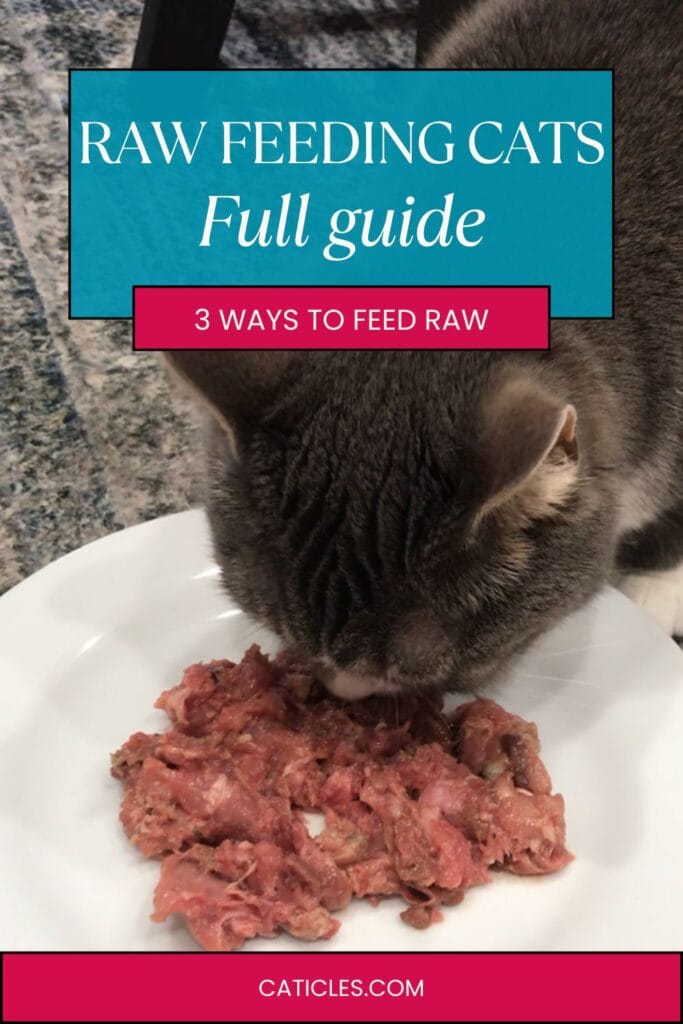
The BARF diet, an acronym for “biologically appropriate raw foods” or “bones and raw foods,” offers a compelling approach to feline nutrition, aiming to mimic the natural prey of cats and provide them with essential nutrients. This diet is particularly appealing to owners seeking to control their cat’s food intake and cater to their innate needs as obligate carnivores. Whether you opt for homemade raw meals or pre-packaged options, understanding the BARF diet is crucial for ensuring your cat’s health and well-being.
What Exactly is a BARF Diet for Cats?
A true BARF diet for felines encompasses a range of components found in their natural prey, including muscle meat, bones, and organs. These uncooked ingredients are rich in protein and moisture, and crucially, they contain vital substances like taurine, fatty acids, vitamins, and minerals that are exclusive to meat. The core principle of the BARF diet is to replicate a wild feline’s diet as closely as possible, thereby supplying cats with all the necessary nutrients for optimal health. While 3% of dog owners and 4% of cat owners in the U.S. purchase raw food for their pets, the trend is growing as more owners seek natural feeding solutions.
Safety Considerations of a BARF Diet
When considering a BARF diet for cats, two primary concerns arise: potential nutritional imbalances and the risk of bacterial contamination.
Nutritional Balance
Many commercially available pre-packaged raw pet foods are formulated to be complete and balanced, often carrying an AAFCO (Association of American Feed Control Officials) statement on their packaging to verify nutritional adequacy. However, for those preparing homemade BARF diets, achieving nutritional balance is paramount. Cats in the wild consume nearly every part of their prey, ensuring a complete nutrient profile with calcium from bones, taurine from organs, and protein and moisture from muscle meat. A common pitfall for owners transitioning to a homemade BARF diet is failing to incorporate the correct proportions of organs, bones, vitamins, and supplements. An unbalanced raw diet can lead to significant nutritional deficiencies, potentially resulting in various health issues.
Bacterial Contamination
Homemade raw diets, if not prepared with stringent hygiene practices, can pose a higher risk of bacterial contamination compared to commercially prepared options. Reputable manufacturers of pre-packaged raw foods adhere to strict zero-tolerance policies for bacteria and pathogens. Some employ methods like FDA-approved high-pressure processing (HPP) to eliminate harmful bacteria, while others implement rigorous safety measures and testing protocols to ensure pathogen-free products. For owners preparing raw food at home, meticulous handling and cleaning procedures are essential to mitigate these risks.
The Advantages of a BARF Diet for Cats
Cats are obligate carnivores, meaning their bodies are biologically designed to thrive on nutrients exclusively found in meat. A BARF diet, inspired by a cat’s natural prey, delivers the protein, moisture, and essential nutrients required for a healthy life. According to the Feline Nutrition Foundation, a BARF diet can lead to several noticeable benefits for cats, including:
- Improved Digestion: Raw diets are often more digestible for cats.
- Reduced Stool Volume and Odor: Efficient digestion leads to less waste.
- Healthier Coats: Reduced shedding and fewer hairballs are common.
- Increased Energy Levels: Nutrient-dense food fuels activity.
- Enhanced Urinary Health: The high moisture content is crucial for cats, who have a low thirst drive and often don’t consume enough water.
- Better Weight Management: Appropriate nutrient ratios can aid in maintaining a healthy weight.
- Improved Dental Health: Chewing raw bones can help clean teeth.
The minimal processing in raw diets preserves higher quality proteins and nutrients. Crucially, the high moisture content in raw meat is vital for cats, whose bodies are adapted to obtain hydration from prey. This increased moisture intake supports kidney function and can help prevent urinary issues, which are prevalent in cats relying on dry food.
Preparing a BARF Diet for Cats
Creating a homemade BARF diet for your cat can initially seem complex, but with proper knowledge and practice, it becomes manageable. The key is to ensure all necessary ingredients for a complete and balanced diet are included.
Essential Ingredients for Homemade BARF Diets:
- Meat: The primary component.
- Organs: Provide essential nutrients like taurine.
- Bone: A source of calcium and phosphorus.
- Fat: Necessary for energy and nutrient absorption.
- Egg Yolks: Offer additional vitamins and minerals.
- Water: Crucial for hydration.
- Supplements: Such as Taurine, vitamin E, B vitamins, and fish oil, to ensure a complete nutritional profile.
Resources like the Feline Nutrition Foundation and CatInfo.org offer detailed recipes and step-by-step instructions for preparing homemade BARF diets. Some owners also choose to supplement homemade raw food with commercially prepared raw, dry, or wet food from pet stores.
Safe Handling and Storage:
Given the use of raw ingredients, strict hygiene is non-negotiable to prevent cross-contamination with bacteria. The CDC recommends the following guidelines:
- Wash hands thoroughly with soap and water before and after handling raw food.
- Keep raw food out of reach of children.
- Store raw food and ingredients separately from human food.
- Use a dedicated scooper and bowl for raw food, cleaning them thoroughly after each use.
- Clean and disinfect all surfaces that may have come into contact with raw food.
Transitioning from simply opening a can of food to preparing raw meals requires an adjustment. As Dr. Rebecca Remillard, DVM, notes, potential errors can occur if food is left out too long or if ingredient substitutions are made. Therefore, consulting with a veterinarian-nutritionist to formulate a homemade raw diet is highly recommended.
Veterinary Perspectives on BARF Diets
Veterinarians receive limited nutrition training during their general education, with much of it often influenced by large pet food companies. However, certified animal nutritionists and veterinarians specializing in feline health often advocate for the benefits of raw diets. Dr. Andrea Tasi, VMD, who exclusively treats felines, has observed significant improvements or complete resolution of chronic illnesses such as diabetes, asthma, urinary tract issues, vomiting, diarrhea, and skin problems when cats are transitioned to raw diets. She emphasizes that real, fresh, raw food can be the “best medicine” for many feline patients. However, she cautions against feeding raw meat to cats with compromised immune systems or those undergoing treatments like chemotherapy or cortisone therapy, suggesting minimally processed or cooked homemade diets as alternatives.
Dr. Lisa A. Pierson, DVM, draws a parallel to human nutrition advice, encouraging pet owners to “shop the perimeter of the grocery store” for their cats, focusing on fresh, whole foods rather than highly processed options found in the center aisles. This philosophy aligns with the core of the BARF diet.
For owners concerned about the cost and preparation time of raw diets, there are solutions. Raw diets are naturally more satiating due to their high moisture and protein content, meaning cats consume less. Simple additions like chicken wings or necks provide chewing exercise and nutrients. Purchasing pre-ground meat, bone, and organ mixes and adding your own supplements can also reduce costs and preparation time.
Regarding food safety, experts like Elizabeth Hodgkins, DVM, suggest that while bacterial contamination is a possibility, it is highly controllable and often overstated. The availability of human-grade raw meats for pets indicates a growing acceptance and manageable safety protocols. If a full raw diet is not feasible, incorporating raw ingredients with minimally processed wet or dry foods can still provide significant nutritional benefits, ensuring your cat receives essential proteins and nutrients in a more convenient form.
Frequently Asked Questions About BARF Diets for Cats
Q: Is a BARF diet complete and balanced?
A: Commercially prepared raw foods are typically complete and balanced. For homemade BARF diets, it is essential to include vitamin packs or nutritional supplements to ensure a balanced meal.
Q: How do I transition my cat to a raw diet?
A: A gradual transition, phasing in raw food slowly while reducing processed options, is generally recommended. Individual cat responses can vary, so consulting resources like the Feline Nutrition Foundation’s transitioning guide is beneficial.
Q: Are there alternatives to a BARF diet for cats?
A: Yes, freeze-dried and dehydrated foods offer alternatives that minimize heat processing. These options aim to preserve nutritional value and can serve as a main food source or a supplement to a BARF diet. RAWZ, for instance, offers raw-inspired, minimally processed cat food options developed with veterinary nutritionists, providing essential nutrients without the concerns of extensive processing.
For further information on raw diets for cats, consider these resources:
- Homemade Cat Food: Benefits, Tips & How to Get Started
- Why Your Cat is an Obligate Carnivore
- Should You Feed Your Cat a Raw Diet? 11 Questions to Ask First
