
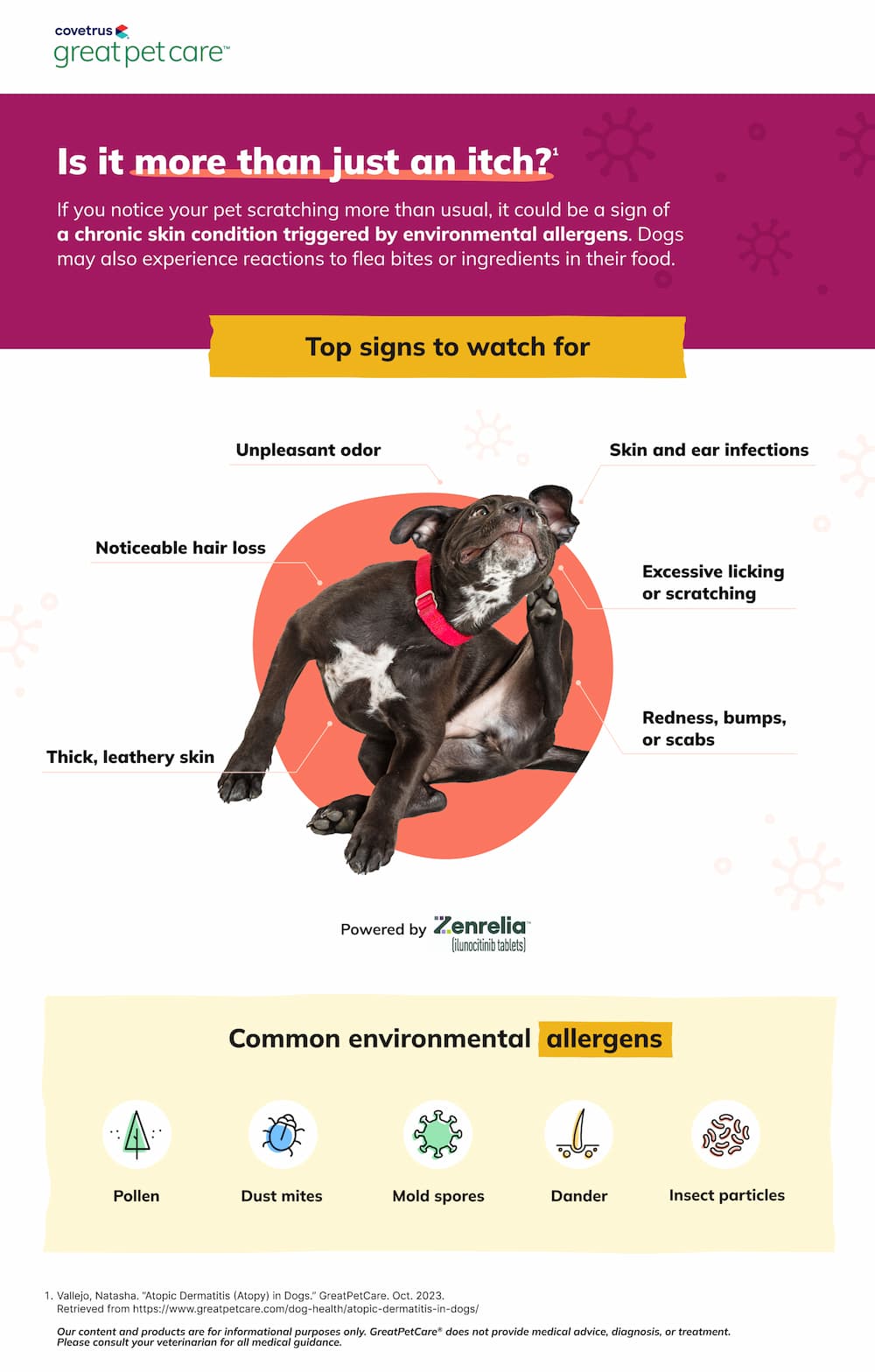
The skin, a dog’s largest organ, is crucial for their overall health and well-being. Numerous medical conditions can affect a dog’s skin, making skin disorders one of the most frequent reasons for veterinary consultations. Understanding these common issues can empower you to recognize potential problems and seek timely veterinary care for your canine companion.
Recognizing the Signs of Skin Problems
A healthy dog’s skin should feel soft and appear clear, free from any bumps, scales, or discoloration. However, several symptoms can indicate a skin issue. These include:
- Scales or flaky skin
- Redness and inflammation
- Hair loss (alopecia)
- Changes in skin color
- Unpleasant odors
- Persistent itching or scratching
- Excessive greasiness
- Scabbing or open sores
- Bumps or lumps
- Oozing or discharge
If you observe any of these signs, it’s essential to consult with your veterinarian.
Top 10 Canine Skin Disorders
1. Allergies
Allergies are a leading cause of skin problems in dogs. Canine allergies can be triggered by various factors, including fleas, specific food ingredients, and environmental allergens such as pollen, dust, and mold. It’s common for dogs to react to a combination of these substances. When exposed to an allergen, a dog’s body releases histamine, a chemical that results in intense itching. Allergies can often be managed through prescribed allergy medications or by identifying and eliminating the allergen from the dog’s environment or diet.
2. Parasites
External parasites are a frequent culprit behind canine skin issues. The most common parasites include fleas, ticks, and mites. Fortunately, a significant number of these skin-affecting parasites can be prevented with high-quality preventative products.
Fleas can infest various animal species, and a single flea can lay numerous eggs, rapidly spreading in the environment. You might notice adult fleas or their waste, appearing as small black specks, in your dog’s fur. Some dogs are highly sensitive to flea bites, and even one bite can lead to severe itching, hair loss, and self-inflicted wounds from excessive scratching.
Ticks can attach to a dog and remain for days, feeding on blood. Ticks are also vectors for various diseases. If you discover a tick on your dog, it should be removed promptly and carefully, ensuring the entire tick, including its head, is extracted.
The most frequently diagnosed mites in dogs are:
- Sarcoptes mites: These are contagious and spread easily between dogs, causing hair loss and significant itching.
- Demodex mites: While normally present on the skin, Demodex mites can proliferate in dogs with compromised immune systems, such as young puppies or adult dogs suffering from other illnesses. This overgrowth can lead to hair loss, particularly around the eyes and on the feet.
- Cheyletiella mites: Known as “walking dandruff,” these mites appear as small white flakes and may or may not cause itching.
3. Bacterial Skin Infections
Bacterial skin infections are prevalent among dogs and often arise from an overgrowth of naturally occurring skin bacteria. This overgrowth can happen when a dog’s immune system is weakened by other conditions, such as allergies or underlying diseases. Signs of bacterial infections include red, scaly patches, small red bumps or pustules, or moist areas of inflamed skin.
Infections can also occur when bacteria not typically found on the skin enter through minor abrasions or punctures. Treatment for bacterial skin infections usually involves oral antibiotics or medicated shampoos.
4. Hot Spots
Hot spots are acutely inflamed, red, and moist areas of skin that can appear suddenly. They typically develop as a result of an underlying allergy that triggers intense itching. When a dog repeatedly rubs, scratches, licks, or chews at an itchy area, it can develop into a hairless wound. Hot spots are often painful to the touch and are usually treated with antibiotics and anti-itch medications. Topical sprays may also be recommended for relief.
5. Yeast Infections
Yeast skin infections result from an overgrowth of yeast organisms on the dog’s skin, leading to a distinctive musty odor and itchy skin. Chronic yeast overgrowth can cause hyperpigmentation, darkening the skin in areas like the belly, groin, and armpits. Black debris may also accumulate at the nail beds. Treatment typically involves oral or topical antifungal medications.
6. Ringworm
Despite its name, ringworm is a fungal infection, not caused by a worm. It’s named after the characteristic circular, red rash it often causes in humans. In dogs, ringworm manifests as a localized skin infection characterized by hair loss and scaly skin, which may be itchy. Ringworm is zoonotic, meaning it can be transmitted from animals to humans. Treatment involves topical and oral antifungal medications.
7. Dry Skin
Dry skin, often accompanied by flakiness (dander), can stem from various causes. For puppies, it might be a normal condition as their oil glands develop. Dry weather is a common environmental factor, but dry skin can also signal poor nutrition or an underlying health issue. Treatments can include moisturizing leave-on products or oral skin supplements containing omega-3 fatty acids.
8. Alopecia
Alopecia, or hair loss, can be a symptom of numerous underlying conditions, including allergies, external parasites, drug reactions, skin infections, genetic disorders, hypothyroidism, and Cushing’s disease. If your dog experiences hair loss without apparent infection or parasites, your veterinarian may recommend blood tests to investigate underlying diseases.
Some dogs develop a genetic condition known as alopecia X, more common in breeds with thick undercoats like Pomeranians, Chow Chows, and Alaskan Malamutes. Affected dogs lose hair without skin inflammation. Neutering can sometimes improve alopecia X in male dogs, and melatonin may also be beneficial in certain cases.
9. Skin Cancer
Skin cancer in dogs can present as hair loss, scabs, oozing lesions, or lumps and bumps. While some skin cancers form obvious masses, others exhibit more subtle signs. Any non-healing wounds or discolored areas on your dog’s skin warrant examination by a veterinarian. Skin cancer is often diagnosed via biopsy and can be treated with surgery, radiation, or chemotherapy.
10. Autoimmune Disease
Autoimmune diseases occur when a dog’s immune system mistakenly attacks its own healthy body cells or tissues. These conditions are typically inherited, though drug reactions can sometimes trigger their onset. Examples include pemphigus and lupus, which often manifest as crusting lesions and hair loss on the bridge of the nose and face. Treatment for autoimmune diseases often involves immunosuppressive medications like prednisone or cyclosporine, with the specific treatment plan depending on the diagnosed disease. Avoiding excessive sun exposure may also be recommended.
Written by Melissa Boldan, DVM
