
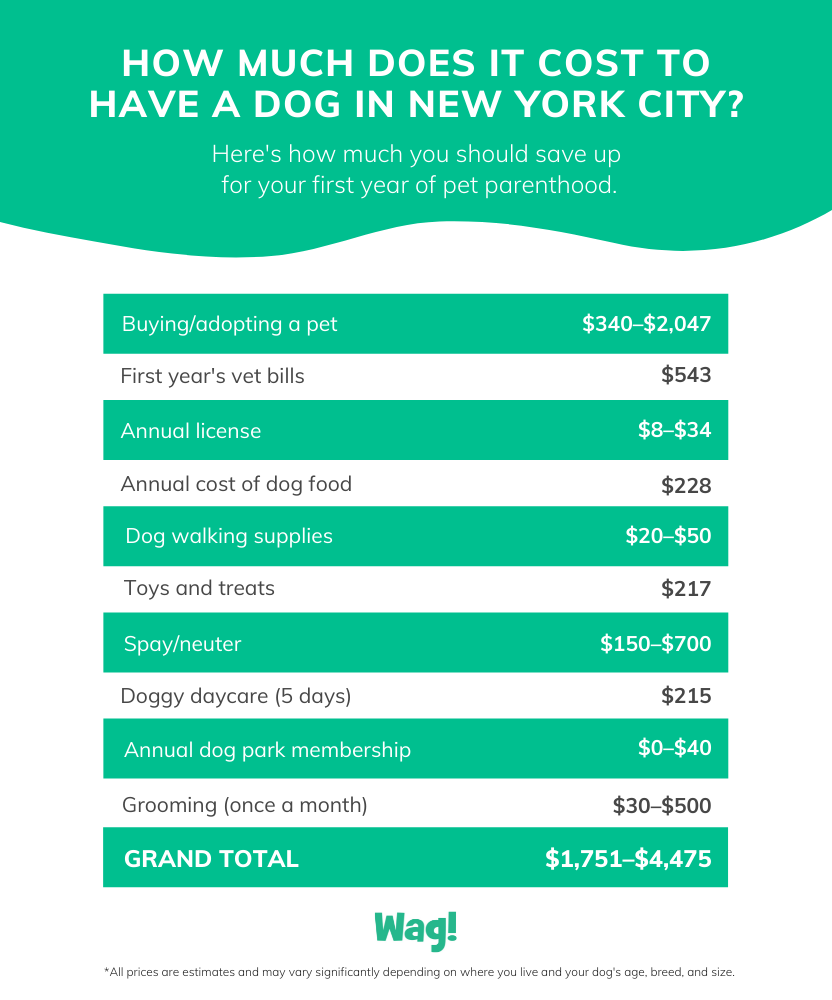
As responsible pet owners, ensuring the health and well-being of our dogs is paramount. A significant aspect of this is being prepared for potential veterinary expenses. Veterinary fees can vary widely depending on numerous factors, including your location, your dog’s age, and the specific condition they are experiencing. This guide aims to provide insights into the average costs associated with common veterinary conditions, based on data from 2024.
Factors Influencing Veterinary Expenses
It’s crucial to understand that the figures presented are averages and can fluctuate. Several key elements contribute to the overall cost of veterinary care:
- Geographic Location: Veterinary practices in metropolitan areas often have higher overheads and thus, higher service fees compared to those in rural regions.
- Dog’s Age: Puppies and senior dogs may require more frequent or specialized care, potentially increasing costs.
- Condition Severity: The complexity of a diagnosis and the required treatment plan directly impact the final bill. A minor ailment will naturally cost less than a chronic or acute severe condition.
- Breed Size: As detailed in the data, the size of your dog can also influence the average cost of treatment for certain conditions, with larger breeds sometimes incurring higher expenses.
Average Costs for Common Canine Conditions
The following tables illustrate the average veterinary fees claimed for various conditions in 2024, categorized by dog size. These insights are based on claims submitted to Animal Friends and represent the top breeds and most common conditions within each size group.
Miniature to Medium Dogs
For smaller canine companions, conditions such as lameness, mitral valve disease, and tumors were among the most frequently claimed for. The average costs ranged from approximately £632 for toxic ingestion to £1,176 for lameness.
| Condition | Average Cost |
|---|---|
| Lameness | £1,176 |
| Mitral Valve Disease | £1,144 |
| Tumour | £1,071 |
| Heart Disease | £1,062 |
| Gastroenteritis | £1,027 |
| Eye Ulcer | £1,013 |
| Vomiting and Diarrhoea | £944 |
| Heart Murmur | £920 |
| Seizures | £877 |
| Skin Disease | £789 |
| Osteoarthritis | £782 |
| Allergies | £777 |
| Teeth/Dental | £686 |
| Otitis | £656 |
| Toxic Ingestion | £632 |
Large Dogs
In larger breeds, conditions like diabetes and lameness presented higher average costs, with diabetes reaching up to £1,553. Other common issues included tumors, foreign body ingestion, and heart conditions, with average costs generally ranging from £576 to £1,223.
| Condition | Average Cost |
|---|---|
| Diabetes | £1,553 |
| Lameness | £1,223 |
| Mitral Valve Disease | £1,105 |
| Tumour | £1,093 |
| Foreign Body | £1,025 |
| Heart Disease | £986 |
| Heart Murmur | £947 |
| Vomiting and Diarrhoea | £918 |
| Eye Ulcer | £898 |
| Seizures | £895 |
| Allergies | £885 |
| Skin Disease | £811 |
| Osteoarthritis | £795 |
| Otitis | £653 |
| Toxic Ingestion | £576 |
Giant Dogs
For giant breeds, the costs associated with specific conditions, such as cruciate ligament damage, can be substantially higher, averaging £2,821. Lameness and tumors also represent significant expenses, ranging from £1,159 to £1,309 respectively. A well-prepared owner might consider pet insurance to mitigate such costs.
| Condition | Average Cost |
|---|---|
| Cruciate ligament damage | £2,821 |
| Lameness | £1,309 |
| Tumour | £1,159 |
| Gastroenteritis | £1,135 |
| Seizures | £1,127 |
| Eye Ulcer | £1,112 |
| Foreign Body | £1,106 |
| Atopy | £1,040 |
| Osteoarthritis | £954 |
| Allergies | £946 |
| Vomiting and Diarrhoea | £928 |
| Skin Disease | £897 |
| Wound | £755 |
| Otitis | £754 |
| Toxic Ingestion | £623 |
Understanding the Importance of Preventive Care and Insurance
While these figures provide a glimpse into potential veterinary costs, proactive measures can help manage your dog’s health and your finances. Regular check-ups, vaccinations, and a balanced diet contribute to overall well-being and can help prevent many common ailments. For unexpected illnesses or accidents, pet insurance can be an invaluable tool. It offers financial protection, allowing you to focus on your dog’s recovery without the added stress of exorbitant vet bills. Exploring options for dog walking rates sydney can also help manage your budget for regular pet care needs.
Factors for Giant Breeds
Giant breeds often face unique health challenges. Conditions such as cruciate ligament damage can lead to significant expenses, averaging £3,137. Foreign body ingestion and lameness also represent substantial costs, ranging from £1,372 to £1,546. It is also worth noting that some breeds, like Basset Hounds, require specific care considerations at different life stages.
| Condition | Average Cost |
|---|---|
| Cruciate ligament damage | £3,137 |
| Foreign Body | £1,546 |
| Lameness | £1,372 |
| Tumour | £1,225 |
| Seizures | £1,104 |
| Gastroenteritis | £1,059 |
| Allergies | £1,048 |
| Osteoarthritis | £1,030 |
| Skin Disease | £983 |
| Vomiting and Diarrhoea | £969 |
| Wound | £783 |
| Otitis | £735 |
| Urinary Tract Infection | £704 |
| Toxic Ingestion | £642 |
| Accidental injury | £635 |
Extra-Large and Specialized Care Needs
For the largest breeds, specialized care might be required for conditions such as hip dysplasia, entropion, and cherry eye, with average costs ranging from £1,660 to £1,686. Lameness and foreign body ingestion remain significant concerns, costing up to £1,747 and £1,606 respectively. Understanding these potential costs can help you prepare financially for your dog’s healthcare needs throughout their life.
| Condition | Average Cost |
|---|---|
| Cruciate ligament damage | £3,467 |
| Lameness | £1,747 |
| Entropion | £1,686 |
| Hip Dysplasia | £1,669 |
| Cherry Eye | £1,660 |
| Foreign Body | £1,606 |
| Gastroenteritis | £1,450 |
| Swelling | £1,435 |
| Tumour | £1,357 |
| Allergies | £1,329 |
| Vomiting and Diarrhoea | £1,221 |
| Osteoarthritis | £1,165 |
| Skin Disease | £1,048 |
| Wound | £835 |
| Otitis | £752 |
By staying informed about potential veterinary costs and prioritizing preventive care, you can provide the best possible life for your beloved canine companion. Consider consulting with your veterinarian to discuss your dog’s specific health needs and explore options for financial preparedness, such as pet insurance.
