
Bringing a dog into your home is an incredibly rewarding experience, offering boundless love, companionship, and joy. However, as any responsible pet parent knows, this cherished relationship also comes with significant financial responsibilities. Understanding the financial commitment involved is crucial for ensuring your furry friend receives the best possible care throughout their life. This article, based on an online survey of over 1,000 visitors to AKC.org, delves into the various costs associated with dog ownership, giving you a clearer picture of the expenses of owning a dog.
Understanding the Initial Investment: One-Time Costs
Before your new companion even settles in, there are several one-time expenses you’ll likely encounter. These initial outlays form the foundation of your dog’s care, covering essential items and procedures that ensure their health and comfort. The survey found that these one-time costs, including everything from adoption fees to emergency vet care, averaged around $2,100.
Here’s a breakdown of the typical one-time expenses:
- Purchase/Adoption Fees: Averaging $646, this covers the cost of acquiring your dog from a breeder or rescue organization.
- Spay/Neuter: At an average of $160, this crucial procedure prevents unwanted litters and can offer significant health benefits.
- Emergency Vet Visits/Surgeries: An average of $631 was reported for unexpected medical emergencies or surgeries, highlighting the importance of setting aside funds for unforeseen circumstances.
- Training Fees/Supplies: Initial training expenses and necessary supplies like clickers or leashes amounted to about $340.
- General Supplies: Essential items such as a food bowl, crate, and leashes tallied an average of $350.
In total, these initial expenses can sum up to approximately $2,127, preparing your home and your dog for a healthy start.
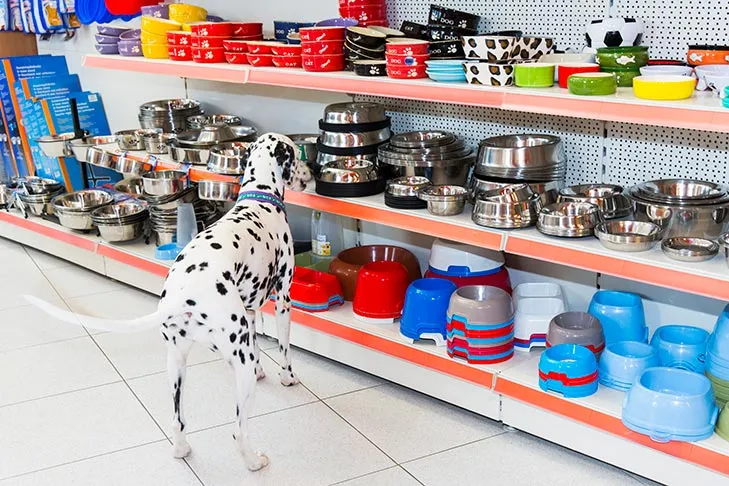 Dalmatian picking out a new bowl.
Annual Dog Expenses: Breaking Down the Yearly Budget
Beyond the initial setup, the ongoing care for your dog forms the bulk of the financial commitment. The survey revealed that the cost of dog yearly averaged around $2,500 for essentials like food, grooming, and routine vet check-ups. These regular expenses ensure your dog remains healthy, happy, and well-adjusted.
Here are the typical annual expenditures:
- Food: The largest recurring cost, averaging $446 annually, varies greatly depending on the dog’s size, breed, and dietary needs.
- Vet Care (Check-ups, Shots): Routine veterinary care, including annual check-ups and necessary vaccinations, averaged $423. Regular visits are vital for preventative health and early detection of potential issues, contributing significantly to the average dog vet bills per year.
- Travel: Costs associated with traveling with your dog, such as pet-friendly accommodations or carriers, averaged $279.
- Grooming: Depending on the breed, professional grooming services cost an average of $190 per year to keep your dog’s coat and skin healthy.
- Pet Sitting, Walking, Boarding: For busy owners, services like pet sitting, dog walking, or boarding facilities averaged $223 annually. This can also include considerations for specific coverages like dog walking insurance prices if you use professional services.
- Toys/Treats: Keeping your dog entertained and rewarded costs an average of $217 per year.
- Ongoing Training: Continuing education or addressing behavioral issues averaged $254 annually.
- Dog Events: Participating in dog shows, agility classes, or other events averaged $457.
These recurring expenses, totaling approximately $2,489, highlight the importance of budgeting for your dog’s ongoing needs.
How Dog Size Impacts Your Wallet
Interestingly, the size of your dog plays a significant role in their annual cost of care. The survey found that, generally, expenses decreased with the size of the dog, primarily due to differences in food consumption. Giant dogs, such as Great Danes or Mastiffs, incurred the highest annual costs at an average of $3,321. In contrast, small dogs like Boston Terriers or Shih Tzus were the most economical, costing around $1,831 per year.
There was a slight exception, however, as medium-sized dogs (e.g., Cocker Spaniels, Corgis) surprisingly cost a bit more annually ($2,628) than their large counterparts (e.g., Labrador Retrievers, Golden Retrievers), which averaged $2,569. This suggests that while food is a major factor, other elements like grooming needs, specific health concerns, or lifestyle factors might influence costs for certain breeds. A significant portion of respondents, 42.7%, owned large dogs, while 22.5% each owned medium and small dogs, 11.7% owned tiny dogs, and 6.7% owned giant dogs.
Geographical Differences in Dog Ownership Costs
Where you live can also influence the financial aspects of dog ownership. The survey revealed that people in rural areas and small towns were more likely to own large dogs, with 53.4% and 52.7% respectively. Urban dwellers, while still owning large dogs, did so at a slightly lower rate (43.8%). This geographical distribution of dog sizes can naturally impact average costs, as larger dogs typically require more food and potentially larger spaces. Furthermore, 40.6% of people in city/urban areas felt that the cost might deter them from getting another dog, a higher percentage compared to other areas.
Owner Expectations vs. Reality: Are Costs Surprising?
Understanding what to expect financially is key to a positive pet ownership experience. The survey shed light on how well owners anticipate these costs. A significant majority, nearly 68%, reported that the costs of dog ownership were about what they expected. This indicates that many individuals are doing their homework or have previous experience with pets.
However, for 29% of respondents, costs exceeded their expectations, while only 3% found them to be less than anticipated. This highlights the importance of thorough financial planning before welcoming a dog into your life. Notably, only 60.4% of urban residents felt costs met their expectations, compared to higher percentages in suburbs (68.8%), small towns (70.2%), and rural areas (75%). This suggests that urban environments might present unique financial challenges for dog owners.
Planning for Your Canine Companion’s Future
Owning a dog brings immense joy and enriches lives in countless ways. While the financial commitment, especially the annual dog costs, is substantial, the benefits of companionship and unconditional love far outweigh these expenses. Understanding both the one-time and recurring costs is essential for responsible pet ownership, allowing you to budget effectively and provide the best possible care for your furry family member. From vet check-ups to playful toys and even considering dog walking insurance prices for professional services, every aspect contributes to their well-being. By being prepared, you can ensure a long, healthy, and happy life together.
For more insights into managing your dog’s health and happiness, explore our other articles on dog care.
Source
- Survey conducted by the American Kennel Club during a two-week period in July 2004. A total of 1,001 voluntary respondents answered 11 questions. Respondents were primarily females (76%) aged 35-54 (47%), many residing in a suburb (34%) or urban area (28%). Self-selecting methods were used, and the data is for anecdotal purposes only; AKC does not guarantee scalability to the overall population.
