
Ensuring your canine companion stays healthy is a top priority for any dog owner. Vaccinations play a crucial role in protecting your dog from a range of serious and potentially fatal diseases. However, understanding the costs associated with these vital preventative measures can sometimes be a concern for pet parents. This guide aims to demystify dog vaccination costs, outline which vaccines are essential, and explore options for affordable care. Understanding the specific vaccines your dog needs is the first step in responsible pet ownership.
The expense of dog vaccinations can fluctuate based on several factors, including your geographical location, the number of doses required for a particular vaccine, and the type of veterinary clinic you choose. Generally, you can anticipate the following potential costs for some of the most common dog vaccinations:
| Dog Vaccine | Potential Cost (per dose/annually) |
|---|---|
| DAPP/DHPP | $20 – $60 |
| Rabies | $20 – $30 (annually) |
| Leptospirosis | $20 – $30 (per dose) |
| Bordetella | $30 – $50 (annually) |
| Canine influenza | $45 – $65 (per dose) |
| Lyme disease | $20 – $40 (per dose) |
Essential Vaccines for Your Dog
Veterinarians categorize vaccines into “core” and “non-core” groups. Core vaccines are considered indispensable for all dogs, barring specific medical contraindications. Non-core vaccines, on the other hand, are recommended based on individual risk factors, such as your dog’s lifestyle, environment, and geographic location. If you’re adopting a dog, it’s essential to gather vaccination history from the shelter, breeder, or previous owner to share with your veterinarian.
Core Vaccines Explained
DAPP/DHPP Vaccine
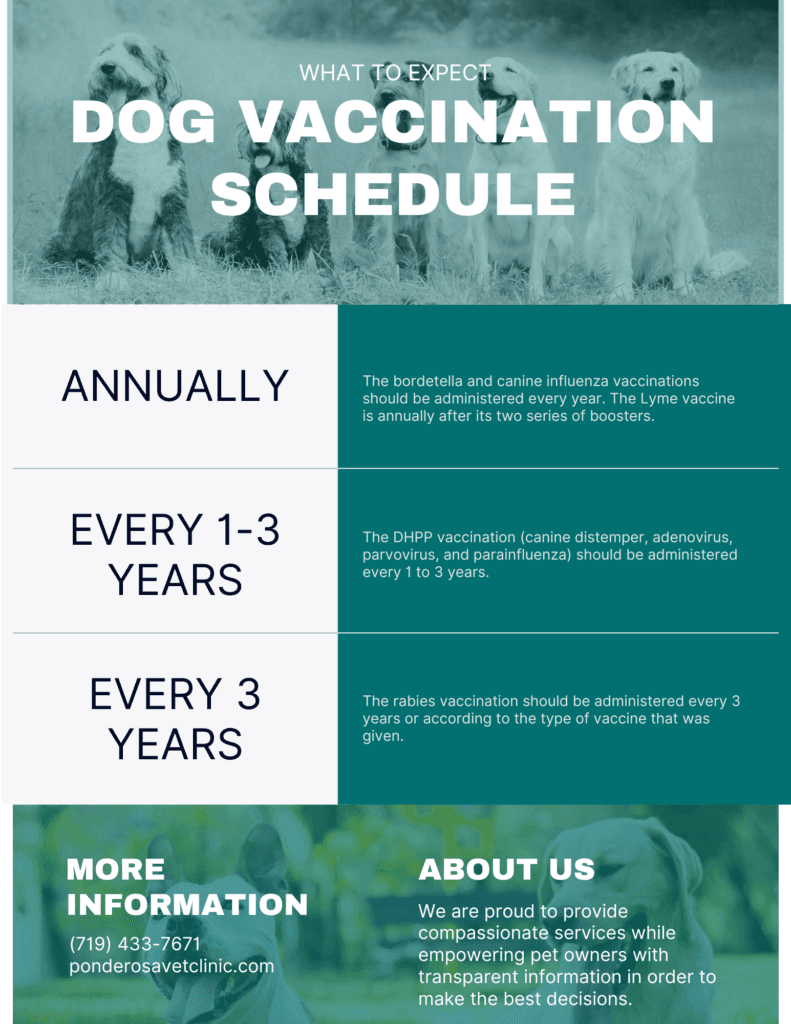
The DAPP (or DHPP) vaccine is vital for protecting puppies against highly contagious and life-threatening diseases, including canine distemper, parvovirus (parvo), adenovirus, and parainfluenza. Puppies typically receive a series of three doses, spaced 2-4 weeks apart, if they are under 16 weeks old. For puppies older than 16 weeks, two doses are usually sufficient. Following the initial puppy series, a single booster dose is administered one year later, with subsequent booster shots recommended every three years. The DAPP (or DHPP) vaccine offers robust protection against these serious canine illnesses.
Rabies Vaccine
Rabies is a deadly viral disease that can be transmitted to dogs through the bite of an infected animal, such as a stray dog, feral cat, or wild creature. The rabies vaccine is typically administered to dogs between 14 and 16 weeks of age, with annual boosters recommended thereafter, often dictated by state laws. The rabies vaccine is a critical component of preventative care.
Leptospirosis Vaccine
The leptospirosis (lepto) vaccine shields your dog from Leptospira bacteria, which can lead to severe kidney and liver damage and can be fatal. Dogs can contract this infection by drinking contaminated water sources, such as puddles, that have been exposed to the urine of infected animals. The initial lepto vaccination series involves two doses administered 2-4 weeks apart, followed by a single dose one year later and then annual boosters. While technically considered a non-core vaccine, many veterinarians recommend it as part of the core group due to the increasing prevalence of the infection. Puppies should ideally receive their first lepto dose no earlier than 12 weeks of age. The leptospirosis (lepto) vaccine is crucial in areas where the bacteria is common.
Optional Vaccines to Consider
Your veterinarian is the best resource for advising on additional “non-core” vaccines that might benefit your dog based on their specific circumstances. Some common optional vaccines include:
Bordetella Vaccine
This vaccine protects against Bordetella bronchiseptica, a bacterium that causes inflammation of the upper respiratory tract, leading to severe coughing and conditions like kennel cough. Dogs that frequently board or attend doggie daycare often benefit from this vaccination, and many facilities mandate it. At-risk dogs typically receive one initial dose (administered intranasally or orally) followed by annual boosters. The bordetella vaccine is particularly important for social dogs.
Canine Influenza Vaccine
The canine influenza vaccine targets both prevalent strains of the dog flu: H3N8 and H3N2. Similar to bordetella, canine influenza can manifest as kennel cough. Veterinary recommendations usually involve an initial two-dose series, spaced 2-4 weeks apart, followed by a booster one year later and subsequent annual boosters. The canine influenza vaccine provides protection against contagious respiratory illnesses.
Lyme Disease Vaccine
A vaccination against Lyme disease protects your dog from infection transmitted by deer ticks. This illness can lead to serious health issues, including kidney failure and cardiac or neurological problems. Dogs typically require two doses of the Lyme vaccine, 2-4 weeks apart, followed by a single dose one year later and then annual boosters. Alongside vaccination, consistent monthly flea and tick preventatives are essential in preventing Lyme disease. A Lyme disease vaccination is a valuable consideration for dogs in tick-prone areas.
Affordable Dog Vaccination Options
For dog owners seeking to maintain their pet’s health without exceeding their budget, several avenues exist for obtaining low-cost dog vaccinations. Planning your dog’s vaccinations ahead of time can sometimes lead to reduced costs, especially if they are part of a comprehensive vaccination package. Exploring vaccination clinics, often hosted by volunteer veterinarians or local pet stores, can offer lower-priced options. Some veterinary clinics also provide budget-friendly care plans. Furthermore, veterinary colleges can be a cost-effective option, as students, under professional supervision, often administer vaccines at a reduced rate.
Pet Insurance for Vaccination Coverage
Consider enrolling in a dog insurance policy, such as those offered by MetLife Pet. With the optional Preventive Care plan, you can be reimbursed for vaccination costs, up to your annual limit, along with other preventive treatments like heartworm and flea/tick prevention. A MetLife Pet policy with an optional Preventive Care plan can help alleviate the financial strain associated with routine and unexpected veterinary expenses. Cover the cost of dog vaccinations and ensure your dog receives the best preventative care.
Vaccinations are a fundamental aspect of responsible pet ownership, offering a critical defense against severe and potentially fatal diseases. Keeping your dog’s vaccinations current is paramount for their well-being. A MetLife Pet policy, particularly with the optional Preventive Care add-on, can significantly ease the financial commitment of vaccinations, routine check-ups, and unexpected medical emergencies. Get your free quote today to secure comprehensive coverage for your beloved canine.
