
Bringing a new puppy home is an incredibly rewarding experience, filled with boundless energy and unconditional love. However, this exciting journey also comes with significant financial responsibilities. Preparing for the costs associated with puppy ownership, especially during their first year, can prevent financial strain and allow you to fully enjoy this special time with your new family member. From essential veterinary care to everyday supplies, puppies represent a considerable investment.
The overall spending on pets in the U.S. reached an estimated $123.6 billion in 2021, highlighting the significant financial commitment involved in pet ownership. While these costs can fluctuate based on a dog’s breed, size, and lifespan, understanding the potential expenses is crucial for prospective owners.
Understanding the Financial Landscape of Dog Ownership
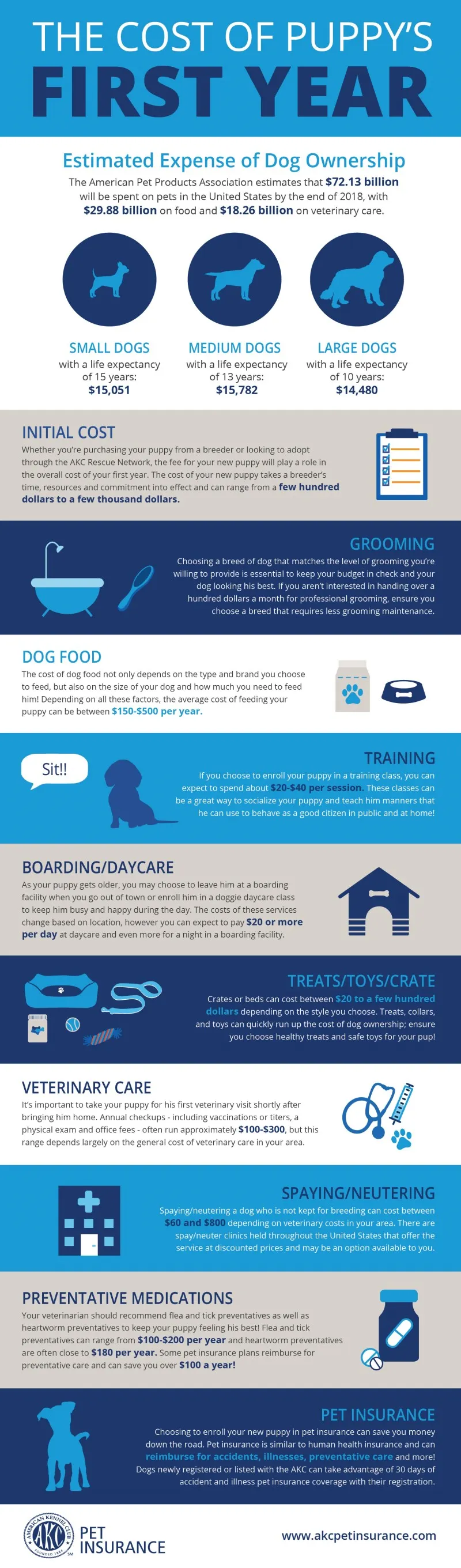
The lifetime cost of owning a dog can range widely. For small to medium-sized dogs, the first year alone can cost between $740 to $1,325, with subsequent annual expenses estimated at $500 to $875. Over their lifetime, these costs can accumulate to approximately $7,240 to $12,700. Larger breeds often incur higher initial costs, with the first year estimated at $1,020 to $1,825, and lifetime costs ranging from $5,850 to $7,950.
Initial Puppy Acquisition and Essential Supplies
The initial cost of acquiring your puppy is a significant factor. Whether adopting from a rescue or purchasing from a reputable breeder, the price reflects the breeder’s dedication to health, temperament, and breed standards. This initial investment can run into thousands of dollars. Beyond the purchase price, essential supplies such as crates or beds, which can range from $20 to several hundred dollars, alongside toys and treats, contribute to the overall first-year expenses.
The Importance of Grooming
Grooming needs vary greatly by breed. Some dogs require professional grooming every few weeks, which can add a substantial monthly expense. For owners seeking to manage their budget, selecting a breed with lower grooming requirements or learning to perform grooming tasks like nail trimming at home can be cost-effective solutions. [cite:3, cite:4]
Nutritional Needs: Dog Food Costs
The expense of dog food is influenced by the type of food, brand, your dog’s size, and their dietary needs. Annually, owners can expect to spend anywhere from $300 to $1,500 on dog food for their puppy.
Training and Socialization
Investing in training classes for your puppy can cost approximately $20 to $40 per session. These classes are invaluable for socializing your puppy and teaching them essential good behavior, benefiting both public outings and home life.
Other Services: Daycare, Boarding, and Pet Sitting
For owners who work long hours or travel, services like doggy daycare, boarding facilities, or pet sitters become necessary. Dog walking services are also a key consideration. These services not only provide care but also contribute to a dog’s enrichment and socialization, with costs varying by location and service provider.
Veterinary Care: A Crucial Investment
Routine Veterinary Visits and Vaccinations
The initial veterinary visit shortly after bringing your puppy home is critical for establishing a baseline of health. This visit typically kicks off a series of annual check-ups throughout your dog’s life. During their first year, the average cost for veterinary care, including essential vaccinations against diseases like parvovirus, hepatitis, and rabies, ranges from $100 to $500. The American Kennel Club offers programs that can provide a complimentary vet visit for newly registered dogs, potentially reducing initial costs.
Emergency and Specialized Care
Puppies, due to their exploratory nature, can sometimes require emergency veterinary care for sudden illnesses or even foreign body ingestion. It is prudent for owners to factor in potential emergency expenses when budgeting for pet healthcare.
Spaying and Neutering Procedures
The cost of spaying or neutering typically falls between $90 and $200, though this can be influenced by regional veterinary costs, as well as the dog’s size and age. Low-cost spay and neuter clinics are available across the U.S., offering these essential procedures at a reduced price.
Preventive Medications
To safeguard your puppy against parasites, veterinarians recommend regular flea, tick, and heartworm preventive medications. These can cost between $200 and $300 annually. Proactively using these preventatives is significantly more cost-effective than treating infestations or serious conditions like heartworm disease, which can start at $400 for treatment alone. Some pet insurance plans even offer reimbursement for these preventive treatments.
The Role of Pet Insurance
Enrolling your new puppy in a pet insurance plan can be a wise financial decision, offering reimbursement for eligible accidents and illnesses. This coverage allows owners to make treatment decisions based on their pet’s needs rather than solely on financial constraints, especially in cases of unexpected large veterinary bills. Additionally, newly registered AKC dogs may be eligible for 30 days of complimentary accident and illness coverage. [cite:11, cite:12]
 Puppy lying on grass
Strategic Budgeting for Puppy Expenses
While the first year of dog ownership presents notable expenses, careful planning and budgeting can ensure a smooth transition. Regularly scheduled veterinary visits, consistent preventive medication, and the security of pet insurance can help mitigate unexpected costs and protect your puppy from preventable health issues.
The joy and companionship a dog brings far outweigh the financial investment. By preparing adequately, you can focus on creating lasting memories with your beloved pet for years to come.
 Woman holding a dog
Champion-Level Care for Your Cherished Companion
Ensure your pet receives the exceptional care they deserve.
GET A QUOTE
