
So, you’ve brought home an Australian Cattle Dog. Congratulations! You’re now the proud owner of a four-legged bundle of intelligence, energy, and unwavering loyalty. But as you’ve probably realized, that brilliant mind needs a job. Effective Australian Cattle Dog Training isn’t just a recommendation; it’s the key to a happy, well-balanced companion and a peaceful home. This is a breed that thrives on direction and purpose, and you are their new team captain.
Forget everything you think you know about “stubborn” dogs. An ACD isn’t being difficult for the sake of it; they’re showing you they have their own ideas. Your mission, should you choose to accept it, is to channel that incredible work ethic and intelligence into positive behaviors. It’s a rewarding journey that builds an unbreakable bond. While they might not be considered one of the easiest breeds of dogs to train, their loyalty and smarts make the process uniquely fulfilling. Let’s dive into how you can become the leader your Cattle Dog deserves.
Understanding the Australian Cattle Dog Mind
Before you can teach, you must understand. The Australian Cattle Dog, or “Blue Heeler,” wasn’t bred to lounge on the couch. They were developed in the vast, harsh Australian outback to move cattle over long distances. This required a dog with stamina, intelligence, and the tenacity to make a 2,000-pound animal move with a well-placed nip.
This heritage is hardwired into their DNA. Here’s what that means for you:
- High Energy: This is not a “walk around the block” kind of dog. They need vigorous daily exercise that engages both their body and mind. A tired ACD is a well-behaved ACD.
- Exceptional Intelligence: They learn incredibly fast, which is both a blessing and a curse. They’ll pick up “sit” in a few repetitions, but they’ll also learn that jumping on the counter sometimes results in a tasty snack.
- The Need for a “Job”: Their brains crave stimulation. Without a purpose, whether it’s obedience trials, agility, or advanced trick training, they will find their own jobs—and you probably won’t like their choices (think landscape redesign or furniture deconstruction).
- Loyalty and Protective Instincts: ACDs often bond intensely with one person or family. This loyalty can sometimes manifest as wariness of strangers or protectiveness of their territory.
“To successfully train an Australian Cattle Dog,” notes Dr. Evan Albright, a specialist in working dog breeds, “you must first respect their intelligence. They don’t just want to follow commands; they want to understand the ‘why.’ Frame training as a collaborative game, and you’ll unlock their full potential.”
Getting Started: Key Principles for ACD Training
Success in Australian Cattle Dog training hinges on a few core principles. This isn’t about dominance; it’s about clear communication and building a partnership.
Start Early and Be Consistent
The learning starts the moment your puppy comes home. Begin with socialization and basic cues immediately. Consistency is the single most important factor. Everyone in the household must use the same commands and enforce the same rules. If “off” means off the couch for everyone, every time, your dog will learn. If it only applies sometimes, you’re just confusing them.
Embrace Positive Reinforcement
This breed is too smart for harsh methods. They don’t respond well to punishment or yelling, as it can damage their trust in you. Positive reinforcement is the way to go. This means rewarding desired behaviors with something your dog values—be it a high-value treat, enthusiastic praise (“Good boy!”), or a quick game of tug-of-war. This makes your dog want to offer the right behaviors.
The Power of Socialization
From 8 to 16 weeks, your puppy’s brain is a sponge for social information. Introduce them safely to a wide variety of sights, sounds, people, and other well-behaved dogs. Positive experiences during this window are crucial for developing a confident, non-reactive adult dog. An under-socialized ACD is more likely to be fearful or suspicious, which can lead to behavioral issues.
A Step-by-Step Australian Cattle Dog Training Guide
With the foundational principles in place, you can move on to the practical steps of training your ACD.
House Training Your ACD Puppy
Australian Cattle Dogs are smart and generally clean, making them relatively easy to house train. The key is a strict routine.
- Frequent Potty Breaks: Take your puppy out first thing in the morning, last thing at night, after every meal, after every nap, and after playtime.
- Choose a Spot: Always take them to the same spot in the yard and use a verbal cue like “Go potty.”
- Reward Success: When they eliminate outside, praise them lavishly and offer a treat the second they finish.
- Manage the Indoors: When you can’t supervise your puppy directly, use a crate or a puppy-proofed area to prevent accidents.
Essential Obedience Commands
Mastering these basics provides the foundation for all other training. Keep sessions short and fun—5 to 10 minutes a few times a day is more effective than one long, boring session.
- Sit: The classic starting point. It’s an easy win that builds confidence.
- Stay: This teaches impulse control, a vital skill for an energetic ACD.
- Come: Potentially a life-saving command. Make it the best word your dog has ever heard by using a happy tone and rewarding them generously every single time they come to you.
- Heel: Given their strength, teaching your ACD to walk politely on a leash without pulling is essential for enjoyable walks.
How to Stop an Australian Cattle Dog From Nipping
That nipping at your heels? It’s not aggression; it’s instinct. They are herding dogs, and that’s how they move cattle. However, it’s a behavior that must be redirected in a pet home.
- Bite Inhibition: When your puppy nips you, let out a high-pitched “Ouch!” and briefly withdraw attention and play. This mimics how their littermates would teach them that a bite is too hard.
- Redirect the Urge: Always have an appropriate toy on hand. When they try to nip your hands or ankles, immediately redirect their mouth onto the toy and praise them for biting it. You’re not stopping the biting; you’re teaching them what to bite.
Beyond Basics: Advanced Training and Mental Stimulation
Basic obedience is just the beginning. To truly satisfy an ACD’s mind, you need to provide ongoing challenges. A bored Cattle Dog is a destructive Cattle Dog. The goal is to make them think. The process is similar to training a sheep dog, where the focus is on channeling instinct into controlled, purposeful tasks.
Here are some great ways to keep your ACD engaged:
- Agility Training: This is a fantastic outlet for their energy and athleticism.
- Advanced Obedience or Rally: These sports build on basic commands and require precision and teamwork.
- Scent Work: Teach your dog to find specific scents. It’s a low-impact activity that is incredibly mentally taxing.
- Puzzle Toys: Food-dispensing toys and puzzles force them to problem-solve to get their meals.
- Learning New Tricks: Teach them to fetch specific items, open doors, or even put their own toys away.
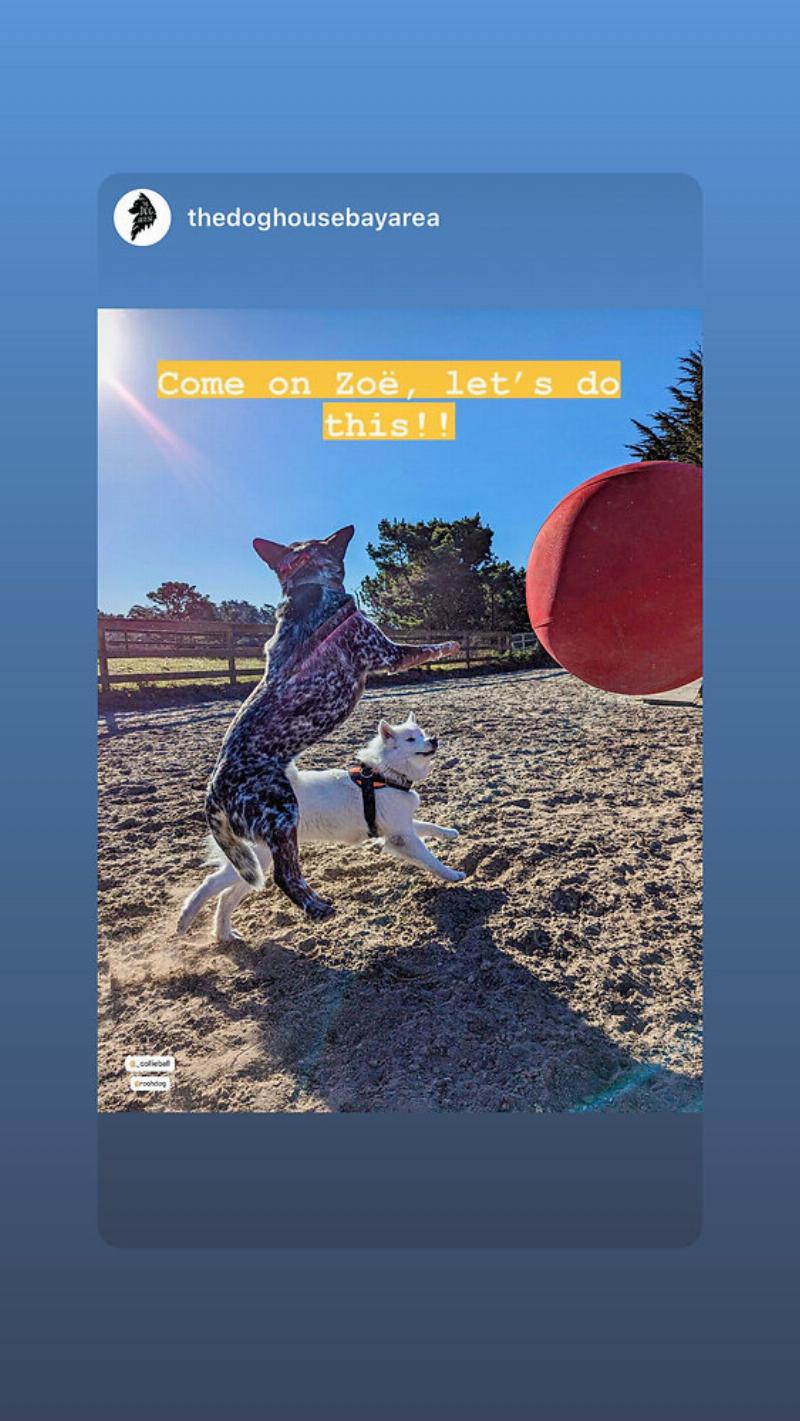 An athletic Australian Cattle Dog joyfully weaving through poles on an agility course, demonstrating the breed's need for mental and physical challenges.
Common ACD Behavior Problems and Solutions
Even with the best training, you might encounter some breed-specific challenges. Understanding the root cause is the first step to solving them.
- Stubbornness: Often, what appears as stubbornness is your ACD not understanding the command or, more likely, not being motivated. Are your rewards good enough? Is the task clear? Re-evaluate your approach and make it more engaging.
- Resource Guarding: Their strong bonding can sometimes lead to guarding toys, food, or even people. This needs to be addressed early through positive association exercises. Teach your dog that a person approaching their food bowl is a good thing (by adding tastier food) and practice trading games for toys (“trade” a low-value toy for a high-value treat).
- Leash Reactivity: Due to their protective nature, some ACDs can become reactive to other dogs or people on walks. This is often rooted in fear or frustration. The solution involves managing their environment to avoid reactions and slowly changing their emotional response through counter-conditioning. If you’re struggling, seeking help from professional trainers or exploring options for farm dog training near me can provide specialized guidance.
Frequently Asked Questions (FAQ)
Are Australian Cattle Dogs easy to train?
They are highly trainable due to their intelligence but can be challenging for first-time owners. They require more than just basic obedience; they need consistent engagement and a “job.” Their intelligence means they can easily learn bad habits if not given proper guidance.
At what age should I start training my ACD puppy?
Training begins the day you bring them home, around 8 weeks old. Start immediately with socialization, house training, and teaching them their name. Formal obedience sessions should be short and fun, beginning with simple cues like “sit.”
How much exercise does an Australian Cattle Dog need?
A lot. A mature ACD needs at least 60-90 minutes of vigorous exercise per day. This should include mentally stimulating activities like fetch or training, not just a leisurely walk. A puppy’s exercise should be more frequent but shorter to protect their developing joints.
Do Australian Cattle Dogs bark a lot?
They are not known for nuisance barking, but they are vocal. They will bark to alert you to strangers, to express excitement, or out of boredom. If barking becomes excessive, it’s usually a sign that their needs for exercise or mental stimulation are not being met.
How do I stop my Cattle Dog from herding children or other pets?
This is a critical part of Australian Cattle Dog training. Immediately interrupt and redirect nipping behavior onto an appropriate chew toy. Manage their environment to prevent chasing and teach a solid “leave it” and “stay” command to control their impulses. Never allow them to practice the unwanted behavior.
Your Journey to a Well-Trained Companion
Training an Australian Cattle Dog is less a task and more a lifestyle. It’s a commitment to understanding and engaging with one of the most intelligent and capable breeds in the canine world. By providing clear guidance, consistent rules, and plenty of mental and physical challenges, you won’t just have an obedient dog; you’ll have a true partner in all of life’s adventures. The effort you invest in your Australian Cattle Dog training will be returned tenfold in the form of a loyal, devoted, and truly remarkable companion.
