
Potty training a dog is a significant milestone in pet ownership, marking a transition to a more harmonious cohabitation. Understanding the general timeline and the factors influencing it is crucial for setting realistic expectations and employing effective training strategies. While every dog is unique, there’s a common developmental path that most puppies and adult dogs follow when learning to relieve themselves outdoors. This guide aims to demystify the process, offering insights into when dogs are typically potty trained and what you can do to facilitate their success.
The Age-Old Question: When Does Potty Training Usually Happen?
The age at which dogs achieve full potty training can vary, but generally, puppies begin to show reliable bladder and bowel control between 4 to 6 months of age. However, this is an average, and some dogs may be fully trained earlier, while others might take a bit longer. Consistency, positive reinforcement, and understanding a dog’s developmental stage are key.
Puppy Potty Training Timeline: What to Expect
- 8-12 Weeks: Puppies at this age have very little bladder and bowel control. Frequent potty breaks are essential – typically every 1-2 hours when they are awake, and immediately after waking up, eating, or playing. Accidents are common and expected.
- 3-4 Months: As puppies grow, their bladder capacity increases, and they start to develop more control. They can often hold it for longer periods, perhaps 2-3 hours. You might start to notice more consistent signals when they need to go out.
- 4-6 Months: This is the period when most puppies achieve a significant level of potty training. They can typically hold it for 4-5 hours, and accidents become less frequent, provided training is consistent. Overnight success is also more common during this stage.
- 6+ Months: By this age, many dogs are considered fully potty trained, meaning they have very few accidents and reliably signal their needs. However, “fully trained” doesn’t mean “never have an accident.” Stress, illness, or changes in routine can still lead to occasional setbacks.
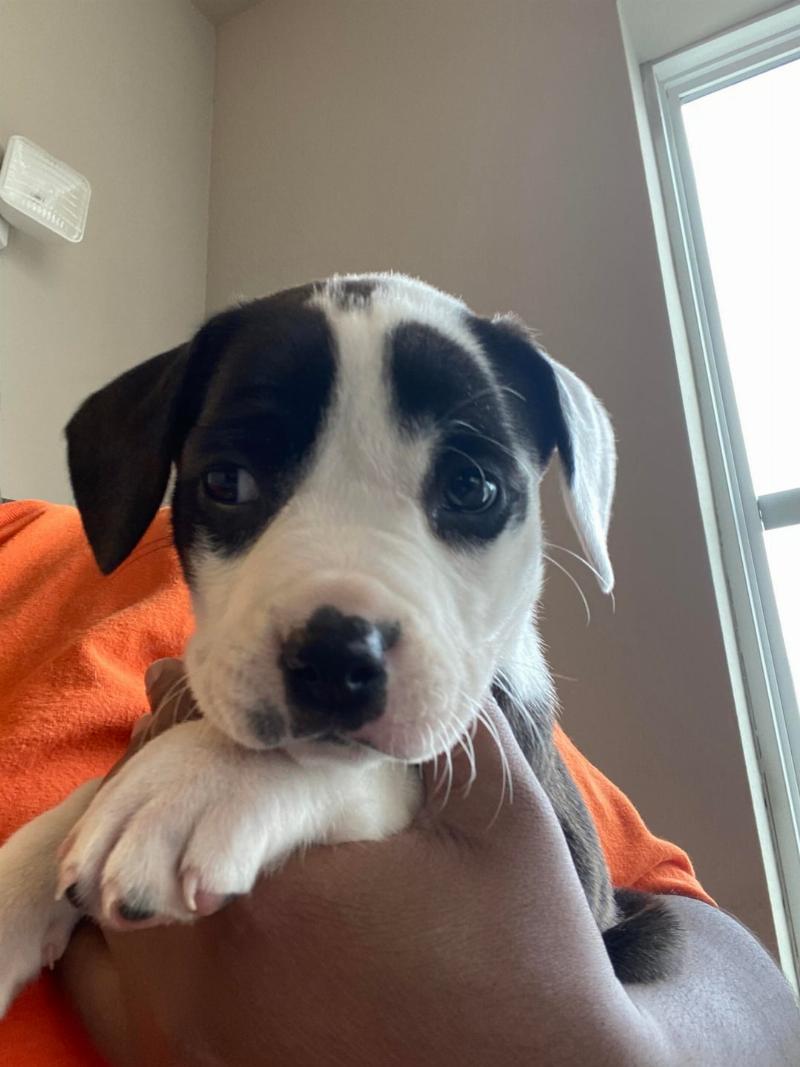 A cute puppy patiently waiting by the door to go outside for potty training, illustrating the early stages of dog potty training.
Factors Influencing Potty Training Success
Several elements play a role in how quickly and effectively a dog is potty trained. Understanding these can help you tailor your approach.
Breed and Size Matters
Smaller breeds and toy breeds tend to have smaller bladders and less muscle control, which can sometimes make their potty training take longer than larger breeds. However, this is not a universal rule, and individual dog temperaments and training consistency play a larger role.
Consistency in Routine
A predictable schedule is the cornerstone of successful potty training. Taking your dog out at the same times each day – especially after meals, upon waking, and before bed – helps them learn to associate those times with elimination.
Positive Reinforcement
Rewarding your dog immediately after they eliminate in the correct spot is vital. This can be with verbal praise, a high-value treat, or enthusiastic petting. Positive reinforcement strengthens the desired behavior and makes training a more enjoyable experience for both you and your dog. Avoid punishment, as it can create fear and anxiety, hindering the training process.
Health and Diet
A dog’s digestive health significantly impacts their ability to be house-trained. Dietary issues, parasites, or underlying medical conditions can lead to frequent accidents. If you notice a sudden increase in accidents or changes in your dog’s bowel movements, consult your veterinarian.
Environmental Factors and Stress
Changes in environment, a new home, or stressful situations can cause a setback in potty training, even in dogs that were previously well-trained. Creating a stable and reassuring environment is important.
Signs Your Dog Needs to Go
Learning to recognize your dog’s signals is a critical part of the potty training process. Common signs include:
- Whining or barking
- Pacing or restlessness
- Circling
- Sniffing the ground intently
- Standing by the door or scratching at it
- Squatting or starting to relieve themselves indoors
Catching these signs early allows you to quickly guide your dog to their designated potty spot, increasing the chances of success and reinforcing the learned behavior.
Common Potty Training Challenges and Solutions
Even with the best intentions, some challenges may arise during potty training.
The “Potty Trained Dog Having Accidents” Scenario
If a previously house-trained dog starts having accidents, it’s essential to investigate the cause.
- Medical Issues: Rule out urinary tract infections, bladder stones, or other health problems with a vet visit.
- Behavioral Causes: Stress from changes in routine, a new pet, or separation anxiety can lead to accidents. Ensure a consistent routine and a safe, comfortable environment.
- Incomplete Training: Sometimes, training might not have been fully solidified. Revisit the basics with a consistent schedule and increased rewards.
Accidents Indoors
- Clean Thoroughly: Use an enzymatic cleaner specifically designed for pet messes to eliminate odors that might attract your dog back to the same spot.
- Don’t Punish: Punishing a dog after an accident, especially if you didn’t catch them in the act, is ineffective and can damage your bond. Instead, focus on preventing future accidents by being more vigilant and consistent with potty breaks.
Supporting Your Dog’s Potty Training Journey
Beyond consistency and positive reinforcement, several other strategies can help.
Choosing the Right Potty Spot
Designate a specific outdoor area for your dog to eliminate. This helps them associate that location with their business. When you take them out, lead them to this spot.
Using a Crate (Den Training)
Crates can be invaluable tools for potty training. Dogs are naturally disinclined to soil their sleeping area. A crate should be just large enough for your dog to stand up, turn around, and lie down comfortably. Never use the crate for punishment. Crate training, when done correctly, can significantly speed up the potty training process.
Consider Potty Pads or Outdoor Training Systems
For certain situations, such as living in an apartment with limited outdoor access or dealing with very young puppies, potty pads or indoor training systems can be a temporary solution. However, the ultimate goal should be outdoor elimination. Transitioning from pads to outdoors requires a phased approach.
Expert Advice on Potty Training
Dr. Emily Carter, a renowned veterinarian and behaviorist, emphasizes the importance of patience. “Every dog learns at their own pace,” she advises. “Focus on building a strong, trusting relationship with your dog, celebrating their successes, and learning from their mistakes without frustration. Consistency is your greatest ally.”
Another expert, renowned dog trainer Mark Jenkins, adds, “Observing your dog’s body language is paramount. Learn their subtle cues, and you’ll be able to anticipate their needs before an accident occurs. Positive reinforcement, not punishment, is the ethical and most effective way to achieve lasting potty training success.”
Conclusion: Patience and Persistence Pay Off
While the average age for a dog to be potty trained falls between four to six months, this is a guideline rather than a strict rule. Factors such as breed, individual learning speed, consistency of training, and health all play a role. By understanding these influences, maintaining a consistent routine, employing positive reinforcement, and learning to read your dog’s signals, you can confidently navigate the potty training process. Remember, patience, persistence, and a positive approach are the cornerstones of success, leading to a well-behaved companion and a happier home. Embracing this journey with your canine friend will undoubtedly strengthen your bond and create a foundation for a lifetime of shared stories.
