
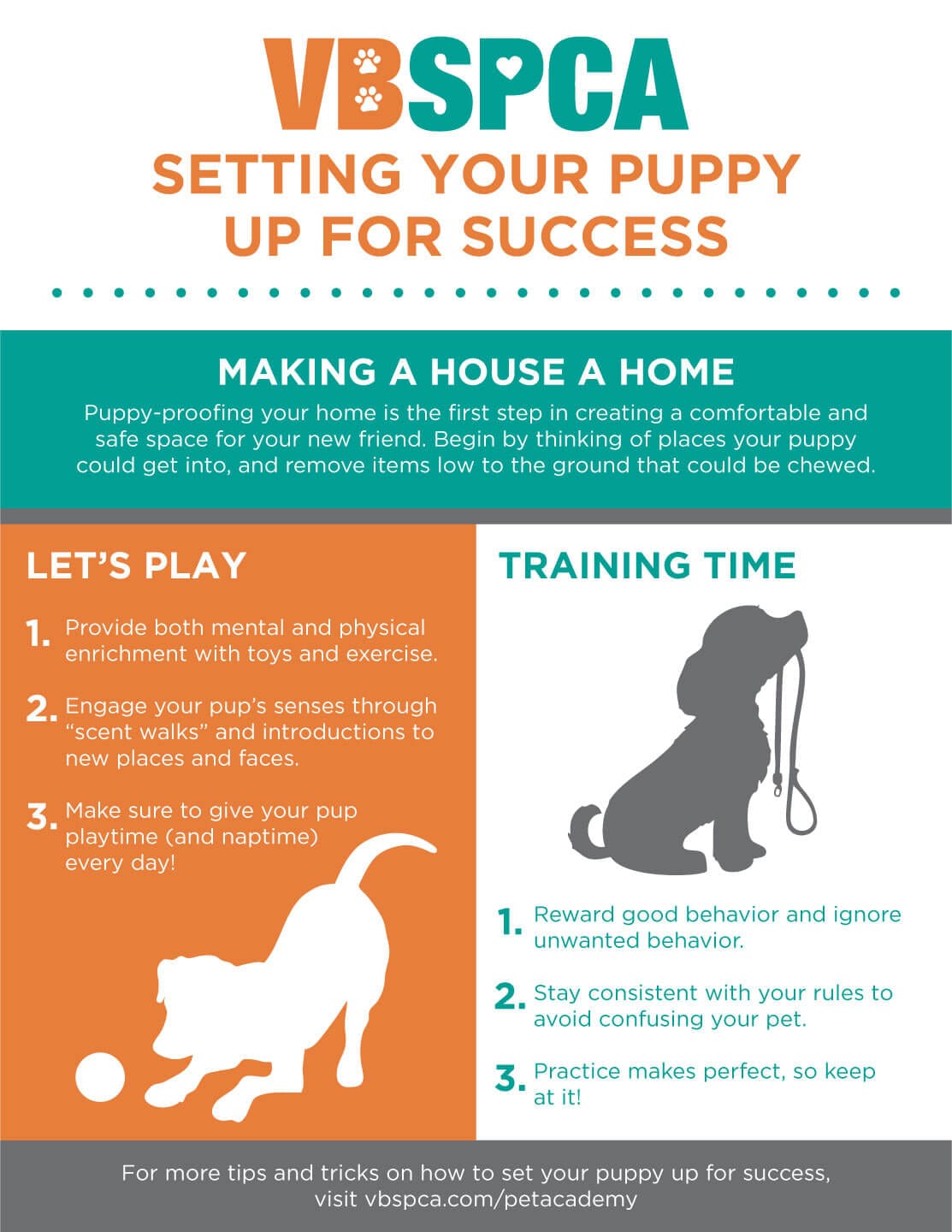
Embarking on the journey of At Home Dog Training is one of the most rewarding experiences a pet owner can have. It’s more than just teaching commands; it’s about building a language of mutual respect and understanding with your canine companion. This process strengthens your bond, creates a well-behaved dog, and establishes a foundation of trust that will last a lifetime. Whether you have a new puppy or an older dog, training in the comfort of your own home provides a unique advantage, allowing you to tailor sessions to your dog’s specific personality and needs in a familiar, low-stress environment. A great starting point for behavioral issues can be exploring options for dog training for barking, as it addresses a common concern for many owners.
Why Choose At Home Dog Training?
While formal obedience classes have their place, training your dog at home offers a multitude of benefits that can lead to more effective and lasting results. The primary advantage is the controlled environment. You can manage distractions, which is crucial during the initial stages of learning, allowing your dog to focus entirely on you and the task at hand.
Beyond focus, at-home training offers:
- Strengthened Bond: Training is a two-way street. As you learn to read your dog’s cues and they learn to understand yours, your connection deepens. Every successful “sit” or “stay” is a shared victory.
- Cost-Effectiveness: Professional trainers can be expensive. While their expertise is invaluable for certain issues, mastering the basics at home can save you a significant amount of money.
- Convenience and Flexibility: Life is busy. At-home training allows you to schedule short, frequent sessions that fit into your daily routine, rather than committing to a fixed class time.
- Real-World Application: You’re teaching your dog the rules of the very house they live in. This makes it easier for them to generalize commands and understand boundaries in their everyday environment.
“Training a dog in its home territory is incredibly powerful,” notes Dr. Emily Carter, a specialist in canine behavior. “It allows the dog to learn in the same context where the behaviors are expected, which accelerates their understanding and retention.”
Getting Started: Essential Tools and Preparation
Before you begin your first training session, it’s important to set yourself up for success. Having the right tools on hand prevents you from having to interrupt the session, which can break your dog’s focus. You don’t need a lot of fancy equipment to start.
Your Basic Training Toolkit
- High-Value Treats: Find small, soft treats that your dog absolutely loves. These are your primary tool for positive reinforcement. The treat should be enticing enough to keep your dog engaged and motivated.
- A Standard Leash: A simple 6-foot leash is perfect for practicing commands like “come” and for keeping your dog close and focused. Avoid retractable leashes for training, as they offer less control.
- Collar or Harness: Ensure your dog has a properly fitted collar or harness. A harness can be particularly useful for dogs that pull, as it distributes pressure more evenly.
- A Quiet Space: Choose a room in your house with minimal distractions. Turn off the TV, put your phone away, and ask family members not to interrupt. The garden or a quiet hallway can also work well.
- A Positive Attitude: Your dog can sense your emotions. Approach each session with patience, enthusiasm, and a calm demeanor. Training should be a fun and positive experience for both of you.
Fundamental Commands to Teach at Home
With your tools ready, you can start teaching the foundational commands. These five cues are the building blocks for more advanced training and are essential for your dog’s safety and good manners. Remember to keep sessions short—around 10 to 15 minutes is ideal.
1. Sit
This is often the first command people teach because it’s relatively simple for a dog to learn and is a great way to manage excited behavior.
- How to Teach: Hold a treat near your dog’s nose. Move your hand up, allowing their head to follow the treat and causing their bottom to lower. Once they’re in a sitting position, say “Sit,” give them the treat, and offer praise. Repeat several times.
2. Stay
The “stay” command is crucial for safety. It can prevent your dog from dashing out an open door or into a busy street.
- How to Teach: Ask your dog to sit. Open the palm of your hand in front of you and say “Stay.” Take a few steps back. If they stay, walk back to them, give them a treat, and release them from the stay with a word like “Okay!” Gradually increase the distance and duration.
3. Come
A reliable recall is one of the most important commands your dog can know. It ensures they will return to you when called, even with distractions.
- How to Teach: Put a leash on your dog and say their name followed by “Come” in a happy, excited tone. Gently pull on the leash to guide them toward you. When they get to you, reward them with a treat and lots of praise.
4. Down
This command is a submissive posture, making it a useful tool for calming a hyperactive dog. Some dogs find this position more challenging than “sit.”
- How to Teach: Find a treat your dog loves and hold it in your closed fist. Let them sniff it. When they do, move your hand from their nose to the floor. They should follow your hand and lie down. Once they are in the down position, say “Down” and give them the treat.
5. Leave It
This command can prevent your dog from eating something dangerous off the ground or snatching food from a table.
- How to Teach: Place a low-value treat (like a piece of their kibble) in one hand. Show it to your dog and say “Leave it.” Let them lick and sniff, but don’t let them have it. The moment they turn away, give them a high-value treat from your other hand.
How to Structure Your Training Sessions
The success of at home dog training hinges on consistency and structure. Randomly practicing commands won’t be as effective as having a clear plan. For specific challenges, such as house soiling, understanding litter training dogs tips can provide a focused approach to a common problem.
The Power of Positive Reinforcement
Positive reinforcement is the cornerstone of modern, humane dog training. The principle is simple: reward the behaviors you want to see more of. This method builds your dog’s confidence and makes them eager to learn. Avoid using punishment or harsh corrections, as this can create fear and anxiety, hindering the learning process and damaging your relationship.
Keep It Short and Sweet
Dogs, especially puppies, have short attention spans. Multiple short sessions of 5-15 minutes throughout the day are far more effective than one long, hour-long session. Always end on a positive note, with a command your dog knows well, so they finish feeling successful and eager for the next session.
Consistency is Key
Everyone in the household should use the same commands and rules. If you say “down” for lying down, but another family member says “lie down,” it can confuse your dog. Consistency helps your dog learn faster and understand what is expected of them in any situation. For those considering a more structured approach, reading a canine dimensions in home dog training review can offer insights into different program philosophies.
When to Consider a Professional Trainer
While at-home training is effective for most basic obedience and minor behavior issues, some situations require professional intervention. It’s important to recognize when you need help.
You should seek a professional certified dog trainer or behaviorist if your dog exhibits:
- Aggression: Any form of aggression towards people or other animals (growling, snapping, biting) needs immediate professional guidance.
- Severe Anxiety: This can include intense separation anxiety, noise phobias, or other anxieties that impact your dog’s quality of life.
- Resource Guarding: If your dog becomes possessive and aggressive over food, toys, or other items.
- Lack of Progress: If you’ve been consistent with your training and aren’t seeing any improvement, a trainer can offer a fresh perspective and new techniques.
In these cases, a professional can provide a tailored plan and ensure both you and your dog are safe. For those in specific regions, looking into options like private in home dog training nj could be the next logical step.
Frequently Asked Questions (FAQ)
How long does it take to train a dog at home?
The timeline varies greatly depending on the dog’s age, breed, temperament, and your consistency. Basic commands can often be learned within a few weeks, but mastering them with distractions can take several months. Training is an ongoing process.
Can you train an older dog at home?
Absolutely! The saying “you can’t teach an old dog new tricks” is a myth. Older dogs can learn just as effectively as puppies, though you may need to be more patient and work to undo any previously learned bad habits.
What are the most important commands to teach?
The most critical commands for safety are “come,” “stay,” and “leave it.” These can prevent your dog from getting into a dangerous situation. “Sit” and “down” are excellent for managing behavior and teaching self-control.
How do I keep my dog motivated during training?
Use high-value treats that they don’t get at any other time. Keep sessions short and fun, and always end on a positive note. Vary the rewards between treats, praise, and a favorite toy to keep things exciting.
What if my dog isn’t getting a command?
Take a step back. You might be moving too fast. Break the behavior down into smaller, more manageable steps. For example, if they won’t lie down all the way, reward them for a small crouch first, then gradually ask for more until they are in a full down position. Patience is crucial.
Your Journey to a Well-Behaved Companion
Training your dog at home is a journey, not a destination. There will be moments of incredible pride and times of frustration, but every step strengthens the invisible leash of connection between you and your furry friend. By staying patient, positive, and consistent, you can cultivate a well-mannered companion and build a relationship rooted in trust and mutual respect. The effort you put into at home dog training today will pay dividends for years to come, creating a happier, safer, and more harmonious life for you both.
