
Assistant trainers are the backbone of any successful racing stable, dedicating an extraordinary amount of time and effort to the well-being and performance of equine athletes. Their roles are multifaceted, demanding a comprehensive understanding of horse care, training, and stable management. While often operating behind the scenes, their contributions are crucial, impacting everything from daily operations to the ultimate success on the racetrack. This profession, characterized by long hours and immense responsibility, is not for the faint of heart but offers profound rewards for those deeply committed to the sport. The demanding nature of the job means many aspiring trainers learn the ropes as an assistant, gaining invaluable experience before venturing out on their own.
The Grueling Schedule and Extensive Duties of an Assistant Trainer
The daily life of an assistant trainer is defined by its demanding schedule, often exceeding 50 to 100 hours per week. They are typically the first to arrive at the barn in the pre-dawn hours and the last to leave after the day’s activities have concluded. Their responsibilities are vast and varied, encompassing the meticulous planning and execution of daily routines. This includes creating the “set list” – a schedule for each horse’s training – and acting as the primary point of contact for essential professionals such as veterinarians, farriers, dentists, and bookkeepers.
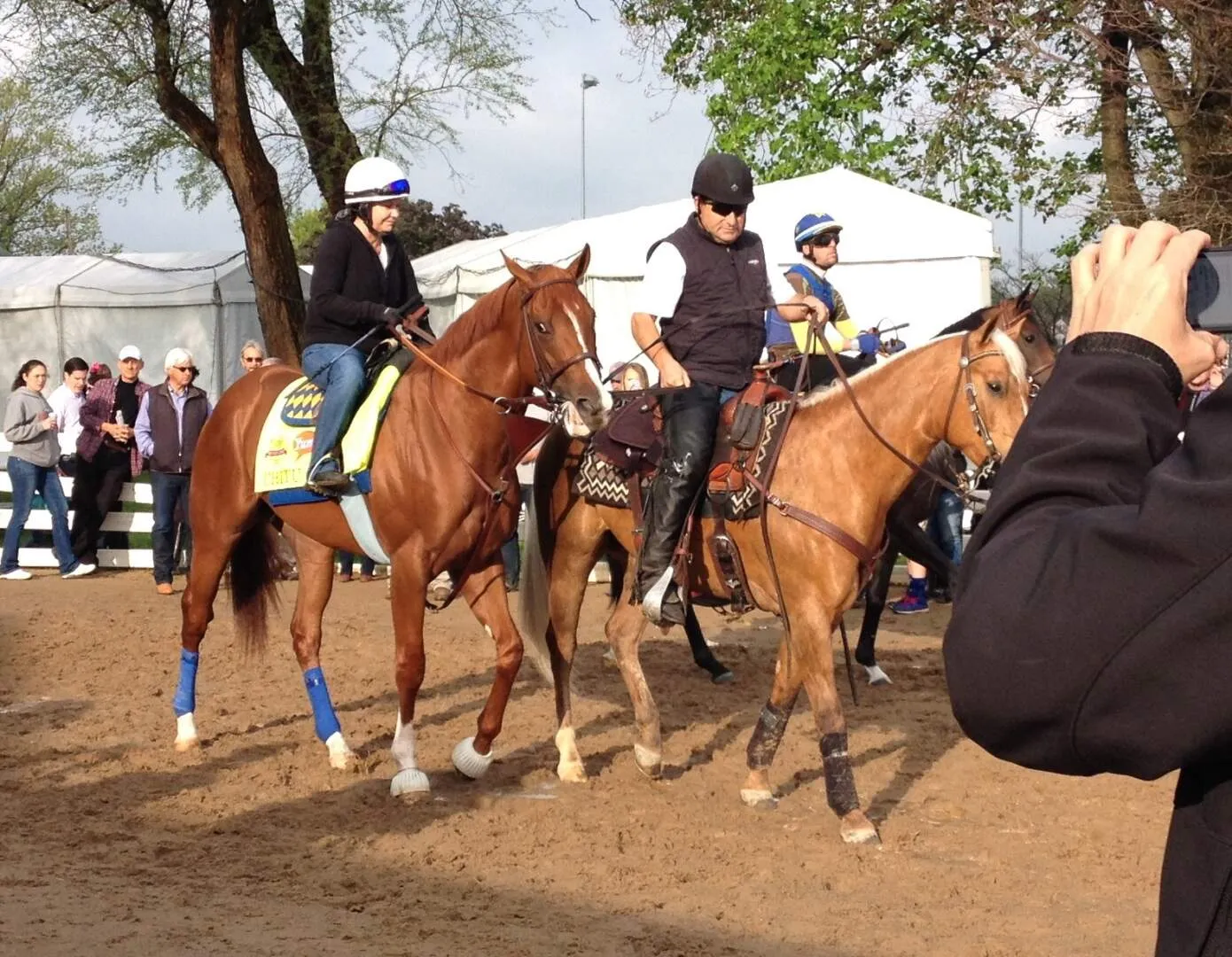 Assistant trainer Jimmy Barnes with a Kentucky Derby entryBob Baffert’s assistant Jimmy Barnes escorts Kentucky Derby entry Chitu to the track with his pony.
Beyond administrative tasks, assistant trainers are deeply involved in the hands-on care of the horses. They meticulously check horses’ legs and feet for any signs of injury, ensure that each horse is consuming its full feed ration, and school horses in the paddock before races to prepare them for the atmosphere. They are responsible for saddling horses for races, managing the stable staff including grooms and hot walkers, and coordinating workouts and race entries with agents and jockeys. For many, their role extends to riding the pony during training or even galloping the racehorses themselves. Essentially, an assistant trainer’s primary directive is to manage the barn as if they were the head trainer, embodying a profound sense of ownership and care for every horse under their charge.
Managing Multiple Operations and Reporting Structures
The operational structure for assistant trainers can vary significantly. Some assistants are entrusted with the complete management of a large string of 30 or more horses. In these roles, they provide frequent updates to the head trainer throughout the day, detailing each horse’s progress and any pertinent information. This level of autonomy is common when the head trainer oversees multiple strings of horses at different racetracks, relying heavily on their assistants to act as their eyes and ears. These assistants must communicate any and all critical details regarding a horse’s ability and soundness.
Conversely, other assistants work hand-in-hand with a trainer who remains at a single home base track. In this setup, responsibilities are shared more directly, fostering a close working relationship. Regardless of the specific reporting structure, the assistant trainer’s role is pivotal in maintaining the health, training, and readiness of the horses, ensuring the smooth operation of the stable. The importance of these roles is underscored by the fact that many successful trainers began their careers as assistants, learning from seasoned professionals.
Career Paths: Aspiring Trainers vs. Dedicated Assistants
Within the ranks of assistant trainers, two primary career aspirations emerge. The first group comprises individuals who aim to eventually establish their own training businesses. These ambitious individuals often seek to work for the most successful and respected trainers, viewing each position as an opportunity to learn from the best in the industry. They meticulously gather knowledge from various trainers, honing their skills until they feel confident in seeking out their own clients. This path is notoriously challenging, and many aspiring trainers ultimately abandon this dream due to the immense difficulties involved.
The second group consists of those who find deep satisfaction and success in remaining assistant trainers. For some, the allure of working with a barn full of elite stakes horses, coupled with a strong salary and potential bonuses, makes the prospect of starting their own stable seem less appealing. These individuals may prefer to avoid the entrepreneurial risks and responsibilities associated with business ownership. While an assistant trainer often bears the brunt of delivering difficult news to the head trainer, they are not ultimately responsible for the overarching success or failure of the barn. This division of ultimate responsibility can be a significant factor in career choices.
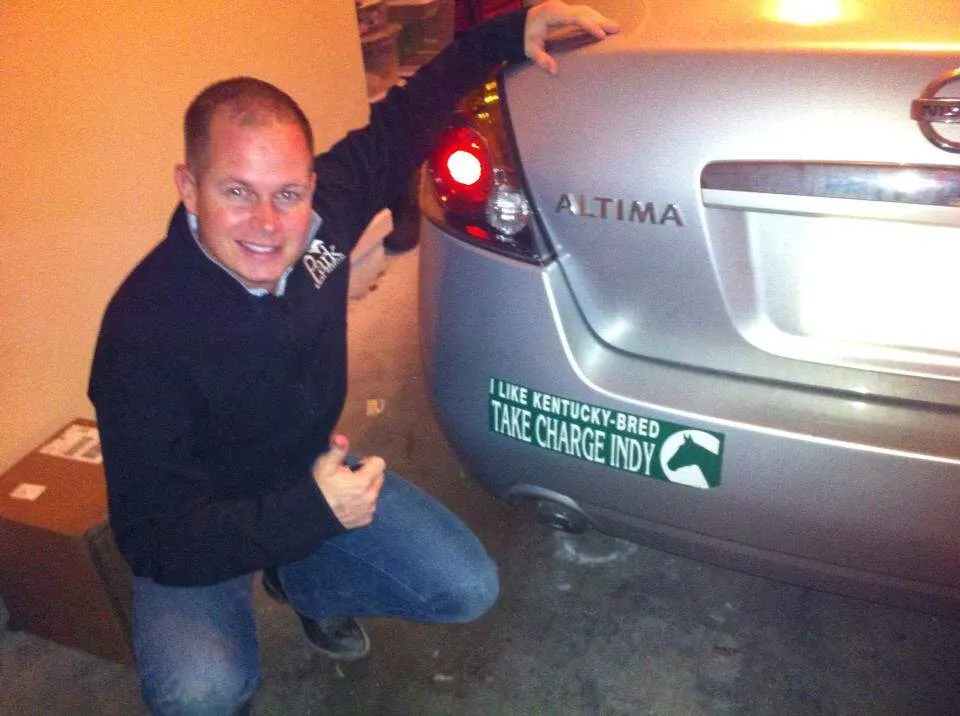 Assistant trainer Kyle ZornAssistant trainer Kyle Zorn shows off his Kentucky Derby sticker showing his faith in Take Charge Indy, one of his charges as an assistant to Pat Byrne.
The journey of many renowned figures in horse racing exemplifies the importance of the assistant trainer role. Legends like Todd Pletcher, Mike Maker, and Dallas Stewart all honed their skills as assistants under the tutelage of the esteemed D. Wayne Lukas. Similarly, Neil Drysdale learned from Charlie Whittingham, and Wally Dollase gained experience with Noble Threewit. This lineage highlights a crucial pathway for aspiring professionals in the sport.
Licensing and Qualification for Assistant Trainers
Like all professional roles within the racing industry, the position of assistant trainer requires official licensing from the state’s racing board. The process for obtaining this license is rigorous and designed to ensure a high standard of knowledge and competence. For instance, to become an assistant trainer in California, individuals must successfully pass a comprehensive 100-question multiple-choice examination, undergo a two-hour verbal examination with the state veterinarian, and demonstrate practical skills in a test administered by a steward. This multi-faceted evaluation ensures that licensed assistant trainers possess the necessary expertise to uphold the integrity and safety of the racing environment.
The Emotional Rewards of a Demanding Career
The life of an assistant trainer is undeniably demanding, often leading to extreme exhaustion, missed social engagements, and a profound sense of commitment to the job. The relentless schedule can mean falling asleep in work clothes without having had dinner or a shower, and friendships may suffer due to the demanding nature of the work. However, for those who persevere, the emotional rewards can be immense. The exhilaration of winning a race, knowing that their dedication and hard work contributed to that victory, can be incredibly powerful. The dream of one day seeing their own name in racing publications, recognized for their achievements, fuels their passion through the long days and challenging circumstances. This potent combination of dedication, skill, and the pursuit of excellence defines the rewarding yet arduous career of an assistant trainer.
