
Assistant trainers are the unsung heroes of the horse racing world, dedicating countless hours to the well-being and performance of equine athletes. Often working between 50 and 100 hours a week, they are the first to arrive at the stable before dawn and the last to leave long after sunset. Their responsibilities are vast and varied, encompassing everything from meticulous horse care to complex logistical management. This demanding role requires immense dedication, a deep understanding of horses, and a passion for the sport.
The daily duties of an assistant trainer are extensive. They are responsible for creating the training schedule, known as the “set list,” and serve as the primary point of contact for veterinarians, farriers, dentists, and bookkeepers. Crucially, they manage race entries, accurately record workout times, and handle all associated paperwork. Beyond administrative tasks, assistant trainers are vigilant in checking horses for any signs of injury, ensuring they consume their meals, and preparing them for races through paddock schooling. They also saddle horses, manage the grooms and hot walkers, and coordinate workouts and race schedules with agents and jockeys. Some assistants even ride the pony or gallop racehorses themselves, further demonstrating their hands-on commitment. Fundamentally, their job is to oversee the barn as if they were the trainer themselves.
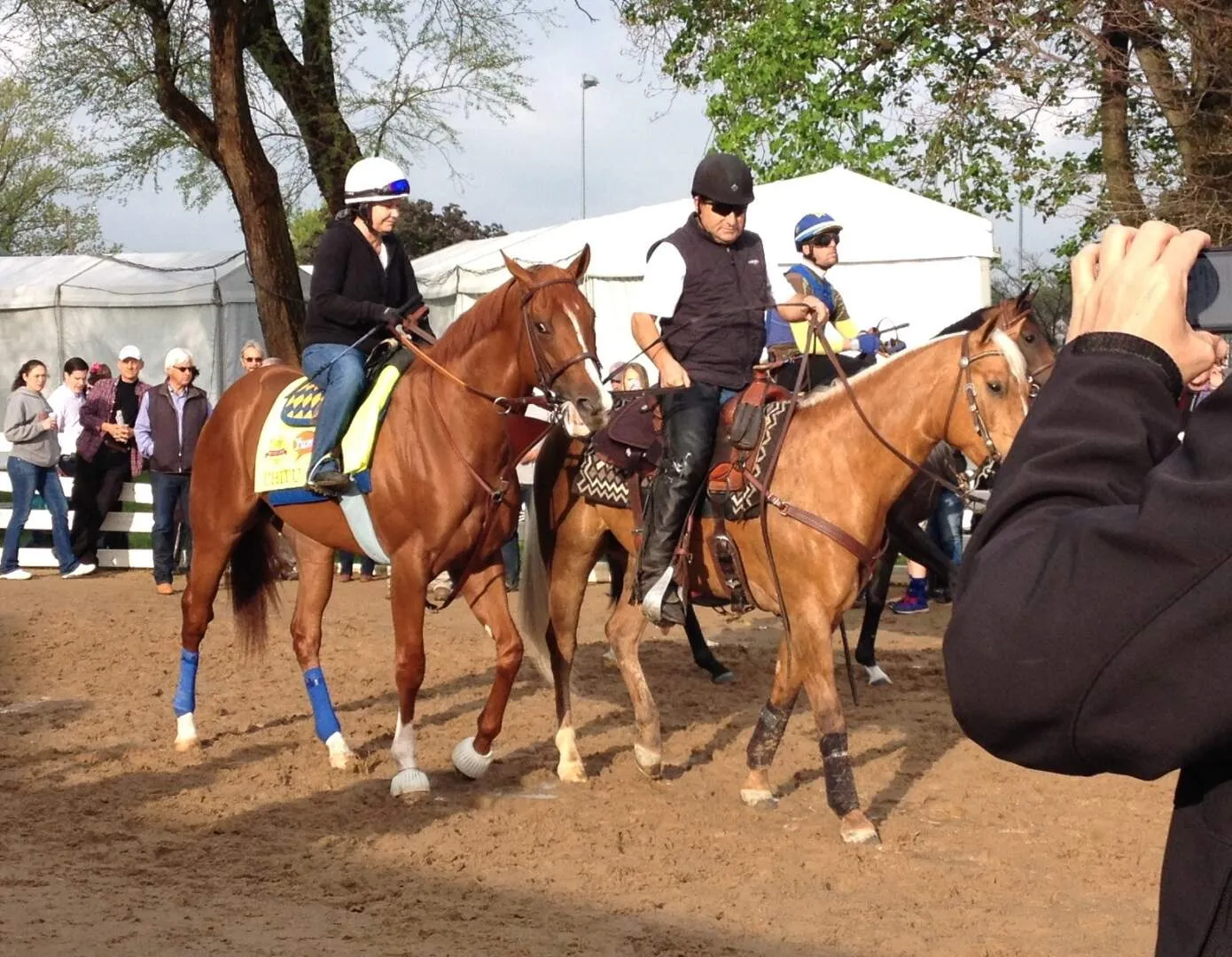 Assistant trainer Jimmy Barnes with Chitu Bob Baffert’s assistant Jimmy Barnes escorts Kentucky Derby entry Chitu to the track with his pony.
The scope of an assistant trainer’s responsibility can vary. Some manage large strings of 30 or more horses, providing frequent updates to the trainer on their progress and condition. These trainers often have multiple strings at different racetracks, making the assistant the primary caretaker and information source for the horses. Other assistants work closely with a trainer based at a single home track, sharing daily barn responsibilities. In these close-knit partnerships, communication and collaboration are key to ensuring optimal horse care.
There are generally two career paths assistant trainers pursue. The first is the aspiration to eventually become a head trainer with their own clients and stable. These individuals typically seek to work with the most successful barns, learning from the best in the industry. They may gather knowledge from multiple trainers over time before feeling ready to solicit their own owners. This path is exceptionally challenging, and many future trainers abandon this dream when they realize the significant hurdles involved. The journey requires immense determination and resilience.
Conversely, some assistant trainers find highly rewarding positions that make the prospect of striking out on their own less appealing. Working with a barn that consistently has stakes horses, coupled with a strong salary and significant bonuses, can be more enticing than the uncertainty of starting anew. These individuals may prefer to avoid the entrepreneurial risks and responsibilities associated with owning and operating their own stable. While an assistant trainer often bears the brunt of delivering difficult news to the head trainer, the head trainer ultimately retains full responsibility for every horse and any adversity that affects the barn.
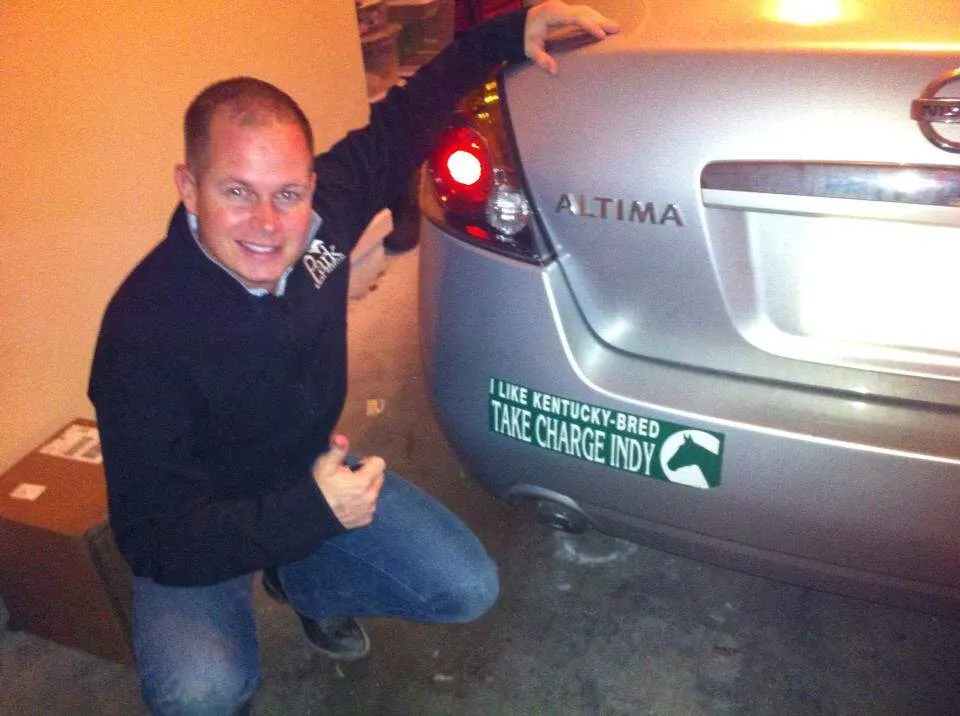 Assistant trainer Kyle Zorn Assistant trainer Kyle Zorn shows off his Kentucky Derby sticker showing his faith in Take Charge Indy, one of his charges as an assistant to Pat Byrne.
The lineage of successful trainers often traces back to extensive experience as an assistant. Many renowned figures in horse racing, such as Todd Pletcher, Mike Maker, and Dallas Stewart, honed their skills as assistants under legendary trainers like D. Wayne Lukas. Similarly, Neil Drysdale learned from Charlie Whittingham, and Wally Dollase trained under Noble Threewit. This highlights the critical apprenticeship role assistant trainers play in developing the next generation of top racing professionals.
To formally work as an assistant trainer, a license from the state’s racing board is required. For instance, becoming an assistant trainer in California involves passing a rigorous examination, including a 100-question multiple-choice test, a two-hour oral examination with the state veterinarian, and a practical assessment administered by a steward. This stringent process ensures that only qualified and knowledgeable individuals are entrusted with the care of racehorses.
The life of an assistant trainer is undeniably demanding and not for the faint of heart. It involves an unwavering commitment, often leading to extreme fatigue where one might fall asleep without dinner or a shower. The demanding schedule can also strain personal relationships. However, the exhilarating emotional high of winning a race, coupled with the dream of one day seeing their own name in racing publications, often outweighs the exhausting days, relentless schedule, and the hardships encountered in the line of duty. The dedication and passion of assistant trainers are truly foundational to the success of any racing operation.
