
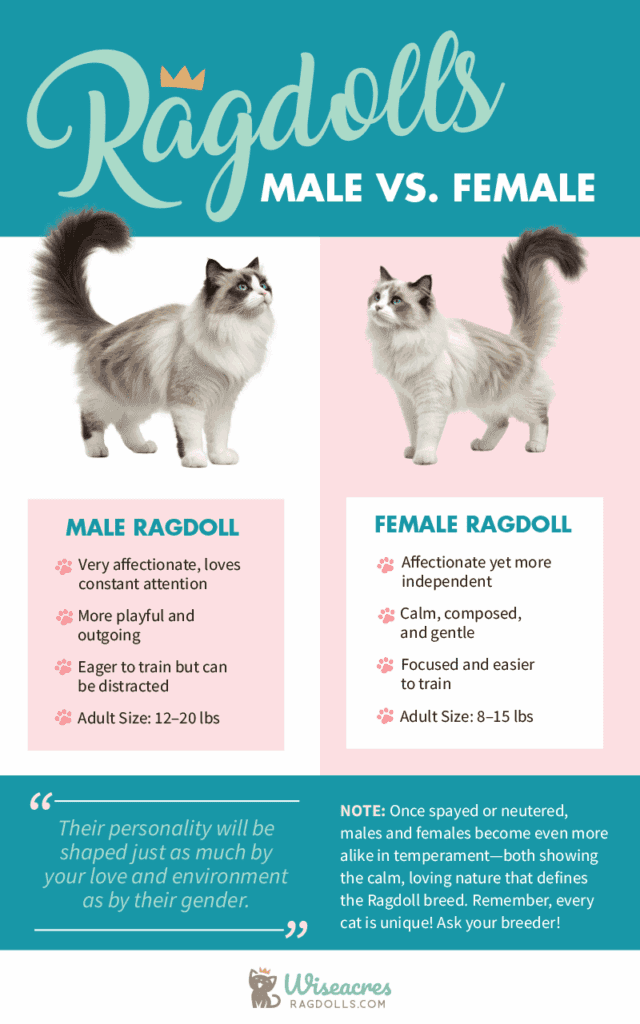
When bringing a new feline friend into your home, one of the many questions that might pop up is about their trainability. You might wonder, “Are Male Or Female Cats Easier To Train?” While individual personality plays a significant role, there are some general tendencies that owners observe. This guide dives deep into the world of cat training, exploring whether gender influences a cat’s ability to learn and how you can best train any cat, regardless of sex. Let’s unravel the mysteries of feline education and ensure your cat becomes a well-behaved companion.
Understanding Cat Training: Beyond Gender Stereotypes
Before we delve into gender differences, it’s crucial to understand what “training” a cat truly entails. Unlike dogs, cats aren’t typically trained for specific tasks like herding or guarding. Cat training usually focuses on:
- Litter Box ব্যবহার (Litter Box Use): This is often the first and most critical aspect of training.
- Behavior Modification: Addressing undesirable behaviors like scratching furniture, excessive meowing, or aggression.
- Trick Training: Teaching cats to perform simple tricks like high-fives, coming when called, or fetching.
- Leash Training: Acclimating your cat to a harness and leash for outdoor adventures.
It’s important to note that a cat’s motivation to learn is different from a dog’s. While dogs often aim to please their owners, cats are primarily motivated by rewards, such as treats, praise, or playtime. Understanding this core principle is key to effective training, irrespective of your cat’s gender. For those interested in understanding cat behavior more broadly, resources on how to house train a cat can offer valuable insights.
Male vs. Female Cats: Exploring General Tendencies in Trainability
While generalizations should be taken with a grain of salt, many cat behaviorists and owners have noted certain trends regarding the trainability of male and female cats.
Male Cats: Playful, Curious, and Food-Motivated
Male cats, especially those who are not neutered, can sometimes be more prone to roaming and marking their territory. However, once neutered, they often become more settled and can be highly trainable.
- Food Motivation: Male cats are frequently very food-motivated, which can be a significant advantage in training. Using high-value treats can be an extremely effective way to engage them in learning new behaviors.
- Curiosity and Playfulness: Their curious and playful nature means they often enjoy interactive training sessions. They can be enthusiastic learners when the activity is stimulating and rewarding.
- Consistency is Key: Like all cats, males respond best to consistent training routines and positive reinforcement.
Female Cats: Independent, Focused, and Affection-Driven
Female cats are often described as more independent and perhaps more fastidious than their male counterparts. While they might not be as overtly boisterous as some males, they can be equally, if not more, trainable.
- Affection and Praise: While treats are effective for females too, many respond exceptionally well to affection, praise, and gentle petting as rewards. Building a strong bond can enhance their willingness to learn.
- Focus and Determination: Once a female cat understands what is expected, she can be quite focused and determined to master the task. This can make them excellent candidates for more complex training.
- Sensitivity to Environment: Females can sometimes be more sensitive to changes in their environment, which might require a more patient approach during training.
Nuances and Individual Personalities
It’s vital to reiterate that these are general observations, not strict rules. Every cat is an individual with a unique personality, influenced by genetics, early socialization, and life experiences. Some female cats might be incredibly food-driven and playful, while some male cats might be more reserved and driven by affection.
The most significant factors influencing trainability are usually:
- Socialization: Cats that have had positive interactions with humans and other animals during their kittenhood tend to be more adaptable and easier to train.
- Temperament: A cat’s innate personality – whether they are bold or timid, independent or clingy – will greatly impact their approach to training.
- Health and Well-being: A healthy, comfortable cat is more likely to be receptive to training than one who is unwell or stressed.
Effective Training Strategies for Any Cat
Regardless of whether you have a male or female cat, employing the right training strategies will yield the best results. Here’s how to set yourself and your feline up for success:
1. Positive Reinforcement is Paramount
This is the golden rule of cat training. Always reward desired behaviors immediately. This could be:
- Treats: Small, high-value treats that your cat loves.
- Praise: Enthusiastic verbal praise in a happy tone.
- Affection: Gentle petting or scratching in their favorite spots.
- Play: A quick game with a favorite toy.
Punishment, such as scolding or hitting, is counterproductive. It can make your cat fearful, anxious, and damage your bond, hindering any progress. If you’re dealing with persistent behavioral issues, consulting resources on how to potty train cat litter box might offer specific solutions.
2. Keep Sessions Short and Engaging
Cats have shorter attention spans than dogs. Aim for training sessions that last only a few minutes, perhaps 5-10 minutes at a time, a couple of times a day. Keep it fun and end on a positive note, even if it’s just for a small success. This approach helps maintain their interest and prevents them from becoming bored or frustrated.
3. Understand Your Cat’s Motivations
Observe what truly excites your cat. Is it a specific type of treat? A feather wand? A laser pointer? Using their favorite reward will significantly increase their engagement and the effectiveness of your training. If your cat seems disinterested, the reward might not be high-value enough, or they might be distracted.
4. Consistency and Patience
Training takes time, and every cat learns at their own pace. Be consistent with your commands, rewards, and routines. If you’re trying to teach your cat to use a litter box, for example, ensure the process is as streamlined and encouraging as possible. Learning how do u litter train a cat can be a foundational step for many cat owners. Patience is key; don’t get discouraged if progress seems slow.
5. Use Clear and Simple Cues
Use short, consistent verbal cues or hand signals for each behavior you want to teach. For instance, use “Sit” consistently for the sit command. Avoid using the same word for different actions, as this can confuse your cat.
6. Socialization is Crucial for Kittens
For kittens, early and positive socialization is incredibly important. Exposing them to various sights, sounds, people, and gentle handling during their critical developmental period (around 2-7 weeks) will help them grow into well-adjusted, confident, and trainable adult cats. This foundation makes any subsequent training much smoother.
Troubleshooting Common Training Challenges
Even with the best strategies, you might encounter challenges. Here are a few common issues and how to approach them:
Litter Box Problems
If your cat is avoiding the litter box, first rule out any medical issues with a vet visit. If health isn’t the cause, consider:
- Cleanliness: Cats are fastidious. Ensure the litter box is scooped daily and cleaned regularly.
- Litter Type: Some cats are picky about litter texture or scent.
- Location: The box should be in a quiet, accessible location, away from their food and water bowls.
- Number of Boxes: The general rule is one litter box per cat, plus one extra.
Exploring guides on train a cat to use litter box can provide detailed steps for addressing these issues.
Scratching Furniture
Provide appropriate scratching posts and surfaces. Make them appealing with catnip or toys. Discourage scratching on furniture by making it less attractive (e.g., double-sided tape) and redirecting your cat to their post.
Excessive Meowing
This can stem from various reasons: attention-seeking, hunger, boredom, or medical issues. Identify the cause and address it. If it’s for attention, try ignoring the meowing and rewarding quiet behavior.
For persistent issues that might seem beyond basic training, understanding deterrents can be helpful. For instance, learning about a messy pet cat pet training deterrent might offer unique solutions for specific problems.
The Role of Spaying and Neutering in Behavior
Spaying and neutering have a significant impact on a cat’s behavior and, consequently, their trainability.
- Neutering Male Cats: This can reduce or eliminate territorial spraying, aggression, and roaming behaviors, making them more settled and easier to train.
- Spaying Female Cats: This prevents heat cycles, which can cause restlessness and vocalization, and also reduces the risk of certain health problems.
Altered cats are often more focused and less driven by hormonal behaviors, allowing their individual personalities and trainability to shine through.
Conclusion: Focus on the Individual Cat
So, are male or female cats easier to train? The honest answer is that it depends more on the individual cat’s personality, upbringing, and your training approach than on their gender. Both males and females possess the capacity to learn and adapt.
The key to successful cat training lies in understanding feline behavior, utilizing positive reinforcement, being patient and consistent, and tailoring your methods to your cat’s unique motivations and personality. By focusing on building a strong bond and making training a fun, rewarding experience, you can effectively train any cat, male or female, to be a well-behaved and cherished member of your family. Embrace the journey of understanding your cat, and you’ll discover just how capable your feline friend truly is.
