
The age-old question for cat owners often revolves around their feline companions’ innate cleanliness. Do cats, by nature, know how to use a litter box? While it might seem like magic when your new kitten instinctively heads for the designated spot, it’s a complex interplay of instinct, environment, and training. Understanding these elements is key to a harmonious home for both you and your cat. This exploration delves into the natural behaviors that make cats appear as if they are “naturally” potty trained and how owners can best support and encourage this behavior.
The Instinctive Roots of Cat Cleanliness
Cats are fastidiously clean animals, a trait deeply embedded in their evolutionary history. In the wild, a cat’s waste can betray its presence to predators or prey. To mitigate this, cats instinctively seek out areas where they can bury their waste, effectively masking their scent. This burying behavior is a powerful instinct that forms the foundation of their apparent “natural” potty training. They are drawn to soft, loose substrates that allow for easy digging and covering.
Burying Behavior: A Survival Mechanism
The act of digging and covering waste isn’t just about tidiness; it’s a crucial survival tactic honed over millennia. A cat that leaves its scent exposed is vulnerable. By meticulously burying its waste, a cat not only keeps its den clean but also practices camouflage, a vital skill for both hunting and evading danger. This instinct is so strong that even domestic cats, living in safe and comfortable homes, retain this deep-seated urge.
Litter Box Preferences: Mimicking Nature
A well-chosen litter box and the right litter material can significantly support a cat’s natural instincts. The ideal litter box should mimic the soft, diggable surfaces found in nature. This is why materials like sand or finely granulated clay litter are often preferred by cats. The texture allows them to easily dig, eliminate, and then cover their waste, satisfying their ingrained behavioral needs.
Substrate Matters: Texture and Scent
The type of litter used is paramount. Many cats have strong preferences for unscented, fine-grained litters. Perfumed litters can be overwhelming to a cat’s sensitive nose, masking the natural scent cues they rely on and potentially deterring them from using the box. Similarly, litters with large, coarse granules can be uncomfortable for their paws, akin to walking on rough gravel, which can also discourage use. Understanding these preferences is a significant step in supporting their natural inclinations. For owners looking to further refine this, resources on cat potty training toilet systems offer advanced solutions.
Socialization and Early Learning
While instinct plays a massive role, early socialization and positive reinforcement are critical, especially for kittens. Kittens learn by observing their mother. A mother cat typically keeps her kittens clean and demonstrates proper litter box usage. By naturally using the litter box, she teaches her offspring the expected behavior. This early learning period is crucial for establishing good habits.
The Role of the Mother Cat
A mother cat’s grooming habits and her own use of the litter box provide a powerful blueprint for her kittens. They will often mimic her actions, including scratching and burying in the litter. This observational learning is a fundamental aspect of how cats learn essential survival and social behaviors.
Common Litter Box Problems and Solutions
Despite their natural inclinations, cats can sometimes develop issues with their litter boxes. These problems are rarely a sign of spite or defiance but rather an indication that something is amiss. Addressing these issues requires understanding the underlying cause, which often relates back to their natural instincts or environmental factors.
When Instincts are Thwarted
Accidents outside the litter box can occur if the box is too small, not cleaned regularly enough, or if the litter type is unappealing. Sometimes, a change in the household, such as a new pet or a move, can cause stress, leading to inappropriate elimination. It’s crucial to approach these situations with empathy, viewing them as communication from your cat rather than deliberate misbehavior. Investigating options such as litter box toilet training cats might be necessary if standard methods aren’t working.
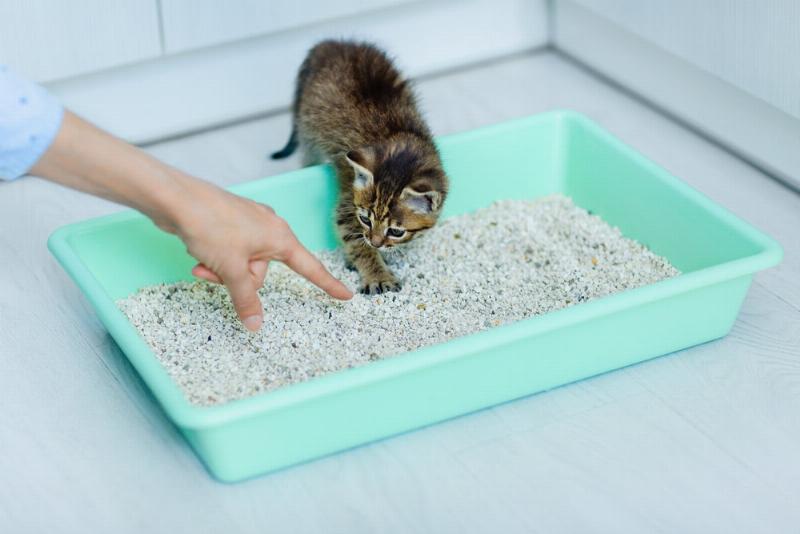 Curious kitten observing a clean litter box, natural instincts at play
Beyond Instinct: The Owner’s Role in Training
While cats possess a strong natural inclination towards cleanliness and burying waste, effective litter box training often involves more than just providing a box. It requires understanding your cat’s specific needs and preferences, ensuring the litter box environment is consistently appealing, and addressing any potential issues proactively. For those seeking to go the extra mile, exploring cat potty training seat options can be part of a comprehensive approach.
Creating the Ideal Litter Box Environment
Key factors include the number of litter boxes (ideally, one per cat plus one extra), their placement (quiet, accessible areas away from high traffic and food bowls), and regular cleaning. Scooping waste daily and changing the litter completely every 1-2 weeks are vital for maintaining a hygienic and attractive environment for your cat. For owners interested in advanced training, learning to train a cat to use litter box systems can be a rewarding endeavor.
The “Potty Training” Nuance
So, Are Cats Naturally Potty Trained? It’s more accurate to say they have a natural instinct to eliminate in a way that supports potty training. They are predisposed to seek out suitable locations to bury their waste. This instinct, combined with a supportive environment and early learning, makes them highly trainable and often appear as if they require no training at all. This innate predisposition is a significant advantage for cat owners.
Harnessing Natural Behavior for Success
By providing the right conditions—a comfortable substrate, an accessible and clean box, and a stress-free environment—owners can effectively harness these natural instincts. The goal is to make the litter box the most appealing and instinctive place for your cat to do its business. This understanding allows owners to preemptively solve potential issues and foster a clean, healthy relationship with their feline friends. Much like with potty training cats to use toilet systems, success hinges on respecting and working with the cat’s natural tendencies.
Frequently Asked Questions about Cat Potty Training
Q1: Do kittens know how to use a litter box immediately?
A1: Kittens learn from their mothers. While they have an instinct to bury waste, they need to be shown or encouraged to use a litter box, especially if separated from their mother early.
Q2: Why does my cat suddenly stop using the litter box?
A2: This can be due to medical issues (like UTIs), stress from environmental changes, a dirty litter box, or dissatisfaction with the litter type or box location. Consult a vet if the behavior is sudden and persistent.
Q3: Is it okay to use scented litter?
A3: Most cats prefer unscented litter. Strong perfumes can be off-putting to their sensitive noses and may cause them to avoid the box.
Q4: How many litter boxes should I have?
A4: The general rule is one litter box per cat, plus an additional one. So, for one cat, two boxes; for two cats, three boxes.
Q5: Can I train my cat to use a human toilet?
A5: While some cats can be trained to use a toilet, it goes against their natural instinct to dig and cover. It can also be challenging to monitor their health through waste if they aren’t using a litter box.
Conclusion: A Story of Instinct and Support
Cats are remarkably clean creatures with a strong instinct to bury their waste, a behavior that lays the groundwork for successful litter box use. While they aren’t “naturally potty trained” in the human sense, their innate predispositions make them excellent candidates for learning and maintaining good litter box habits. By understanding and supporting these instincts—providing the right environment, maintaining cleanliness, and being observant—cat owners can ensure their feline companions use their designated facilities with ease and confidence. The journey of understanding your cat’s needs is a continuous and rewarding story, strengthening the bond between you and your beloved pet.
