
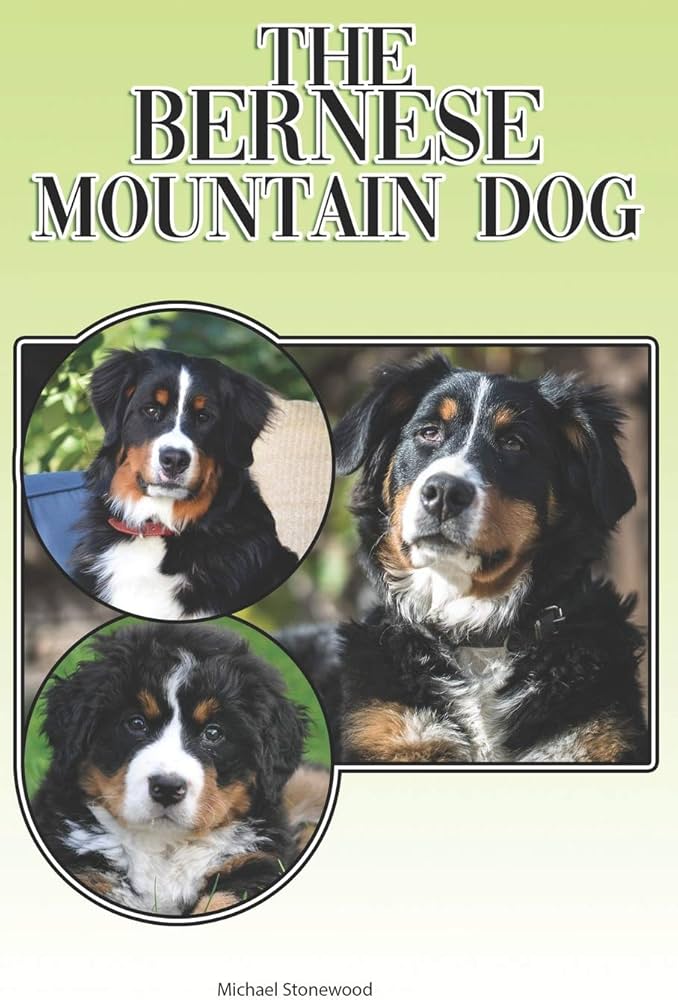
Bringing a Bernese Mountain Dog into your home is a decision filled with the promise of a loyal, loving companion. Known for their gentle nature and striking good looks, these gentle giants are a popular choice for families. However, a crucial question for prospective and current owners alike is: Are Bernese Mountain Dogs Easy To Train? The answer, like many things in dog ownership, is nuanced. While they possess inherent qualities that make them trainable, their journey to becoming a well-behaved canine citizen requires understanding, patience, and the right approach.
The Bernese Mountain Dog’s intelligence is a significant factor in their trainability. They are considered moderately intelligent dogs, eager to please their owners, which is a fantastic starting point for any training regimen. This desire to make their humans happy, combined with their cognitive abilities, means they can grasp commands and routines relatively quickly. However, they are not typically ranked among the most intelligent breeds like Border Collies or Poodles. Their trainability is more about their willingness to engage and cooperate rather than a sheer, almost obsessive, drive to solve complex tasks. This makes them a good fit for many families, but it also means that consistency is key.
Understanding the Bernese Mountain Dog’s Temperament and Trainability
The Bernese Mountain Dog’s heritage as a working dog is also instrumental in understanding their trainability. Bred in the Swiss Alps, they were historically used for herding, guarding, and pulling carts. This background instilled in them a sense of responsibility and a capacity for learning specific tasks. They thrive on having a job to do, even if that job is simply being a cherished member of the family. This inherent work ethic can be channeled positively during training.
However, it’s important to note that Bernese Mountain Dogs can also be sensitive. Harsh training methods or a lack of positive reinforcement can lead to a withdrawn or fearful dog, hindering the training process. They respond best to a calm, consistent, and rewarding approach. Loud noises, yelling, or physical punishment are not only ineffective but can also damage the bond between you and your dog, making them less likely to trust and obey. This sensitivity means that understanding best hand signals for dog training and using them consistently can be more beneficial than solely relying on verbal commands.
Key Traits Affecting Trainability:
- Intelligence: Moderate, with a strong desire to please.
- Temperament: Gentle, affectionate, patient, and can be sensitive.
- Motivation: Primarily motivated by praise, treats, and pleasing their owner.
- Energy Levels: Moderate; they need regular exercise but are not hyperactive.
- Maturity: Bernese Mountain Dogs mature more slowly than some smaller breeds, with males sometimes taking up to three years to fully mature. This means puppy-like behavior can persist for longer.
Effective Training Strategies for Bernese Mountain Dogs
When it comes to training your Bernese Mountain Dog, a few strategies stand out as particularly effective. Positive reinforcement is paramount. This involves rewarding desired behaviors immediately with treats, praise, or a favorite toy. When your Bernese does something right, make sure they know it! This could be sitting when asked, responding to their name, or going to their designated spot.
Early Socialization is Crucial
Just like with big dogs that are easy to train, early and consistent socialization is vital for Bernese Mountain Dogs. Exposing them to a variety of people, places, sounds, and other animals from a young age helps them grow into well-adjusted, confident adults. This prevents shyness or fear-based reactivity, which can complicate training. Puppy classes are an excellent starting point for both socialization and basic obedience.
Consistency and Routine
Bernese Mountain Dogs thrive on routine and predictability. Establishing a consistent schedule for feeding, potty breaks, exercise, and training sessions helps them understand expectations. Inconsistency can lead to confusion and frustration, both for the dog and the owner. Make sure all members of the household are on the same page with commands, rules, and training methods.
Short, Engaging Training Sessions
Because of their moderate intelligence and sensitive nature, keeping training sessions short, fun, and engaging is more effective than long, arduous ones. Aim for 10-15 minute sessions a few times a day, rather than one long session. End each session on a positive note, even if it’s just with a simple command they’ve mastered. This keeps them motivated and eager for the next training opportunity.
Leash Training and Walking
Training a Bernese Mountain Dog to walk nicely on a leash is essential, given their size. Start leash training early. Use a well-fitting harness or a martingale collar, and positive reinforcement to encourage them to walk beside you without pulling. If they pull, stop walking. Only resume when the leash is slack. This teaches them that pulling stops forward progress.
Crate Training
Crate training can be a valuable tool for house-training and providing your Bernese with a safe den of their own. Ensure the crate is large enough for them to stand up, turn around, and lie down comfortably. Never use the crate as a punishment. A well-executed crate training plan ensures that dogs understand how long can a dog stay in the crate without distress.
Common Training Challenges and Solutions
While generally trainable, Bernese Mountain Dogs can present a few common challenges:
Stubbornness/Slow to Respond
Sometimes, Bernese Mountain Dogs might seem a bit stubborn or slow to respond. This isn’t usually defiance but rather a sign that they might be distracted, not fully understanding the command, or simply not motivated enough at that moment.
- Solution: Revisit basic commands in a quiet environment. Ensure your rewards are high-value. Try different training techniques or break down complex commands into smaller steps.
Shedding and Grooming Training
Bernese Mountain Dogs are heavy shedders and require regular grooming. Training them to tolerate and even enjoy grooming sessions from a young age is crucial.
- Solution: Start with short, positive grooming sessions. Reward your dog for calm behavior during brushing, nail trims, and ear checks. Make it a positive bonding experience.
Potential for Slow Maturation
As mentioned, Bernese Mountain Dogs mature slowly. This means that behavioral issues typically associated with adolescence might linger longer.
- Solution: Patience is key. Continue with consistent training and socialization, understanding that they may take longer to settle into adult behaviors than other breeds. Continuing training and management into their second or third year is often necessary.
The Role of Genetics and Individual Differences
It’s important to remember that while breed tendencies offer a general guideline, every dog is an individual. Genetics, early life experiences, and the environment all play a significant role in a dog’s personality and trainability. Some Bernese Mountain Dogs may be exceptionally eager to learn and quick to obey, while others might require more patience and tailored training methods.
Finding the Right Match
If you’re considering adding a Bernese Mountain Dog to your family, responsible breeders can be a valuable resource. They can often provide insights into the temperaments and trainability of their puppies’ lineage. Meeting the parent dogs and observing their behavior can also offer clues.
Conclusion: Trainable, Yes, but with Patience and Understanding
So, are Bernese Mountain Dogs easy to train? Yes, they possess the intelligence and the desire to please that make them highly trainable, especially when compared to many other breeds. They can excel in obedience, agility, and other dog sports with the right guidance. However, their sensitivity, slower maturity rate, and occasional stubbornness mean that “easy” doesn’t mean “effortless.”
Successful training hinges on a foundation of positive reinforcement, early socialization, unwavering consistency, and a deep understanding of their gentle, sometimes sensitive, nature. By investing time, patience, and love into training your Bernese Mountain Dog, you’ll build a strong bond and cultivate a well-behaved companion who will bring years of joy and unwavering loyalty to your “Dog Care Story.” This journey of training is as much about shaping their behavior as it is about deepening your connection, turning everyday moments into cherished memories.
