
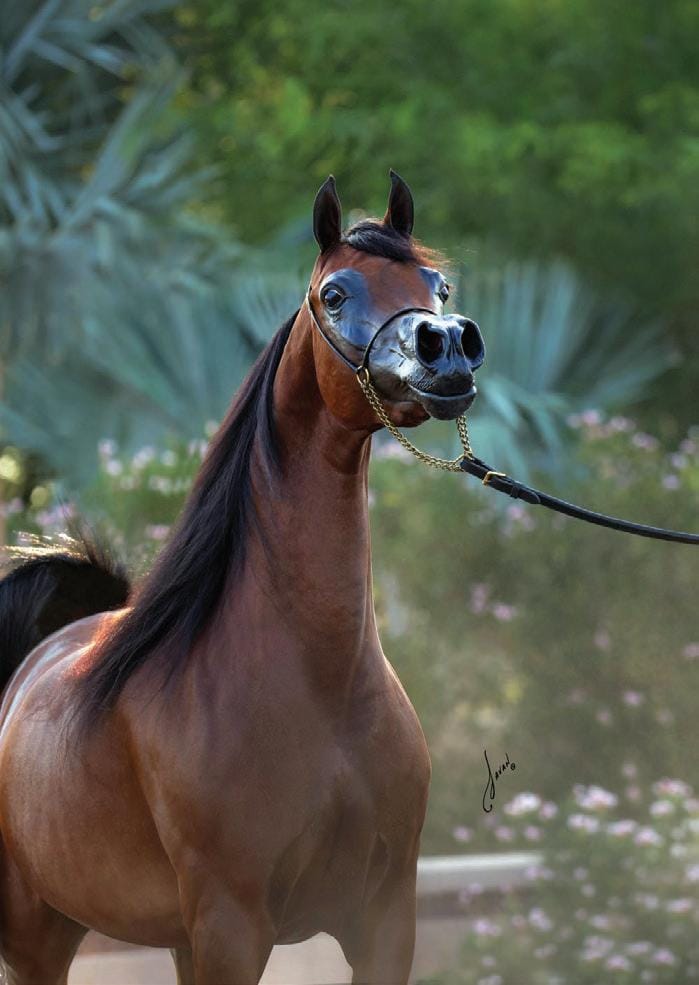
Embarking on the journey of Arabian Horse Halter Training is a deeply rewarding experience, one that builds a foundation of trust and clear communication between you and your equine partner. Arabian horses, known for their intelligence, spirit, and sensitivity, respond beautifully to consistent, patient, and positive reinforcement-based training methods. This guide will walk you through the essential steps to effectively halter train your Arabian, fostering a strong bond that will serve you both in countless ways, from groundwork to riding.
Understanding the Arabian Horse: Spirit and Sensitivity
Before we dive into the practicalities of halter training, it’s crucial to appreciate the unique characteristics of the Arabian breed. These horses possess a rich history, often referred to as the “Pearl of the Desert,” and are renowned for their stamina, beauty, and distinctive dished faces and high tail carriage. Their intelligence and eagerness to please make them excellent candidates for training, but their sensitivity also means they can be easily overwhelmed or frightened by harsh or inconsistent handling.
Key Traits to Consider:
- Intelligence: Arabians learn quickly, which is a double-edged sword. They can pick up good habits just as fast as bad ones.
- Sensitivity: They are highly attuned to their handlers’ emotions and body language. Fear or frustration from the handler can easily transfer to the horse.
- Spirit: While spirited, this energy can be channeled positively through clear leadership and engaging training.
- Desire for Connection: Many Arabians thrive on a close relationship with their handlers, making groundwork an excellent way to strengthen this bond.
Essential Equipment for Halter Training
Having the right equipment is fundamental for safe and effective halter training. Ensure all your gear is well-maintained and fits your horse properly.
What You’ll Need:
- A Well-Fitting Halter: A properly fitted rope halter or a comfortable nylon halter is essential. It should be snug enough not to slip but not so tight that it causes discomfort or interferes with breathing. The noseband should rest comfortably on the softer part of the horse’s nose.
- A Lead Rope: A 6-8 foot lead rope made of durable material like nylon or cotton is standard. It should have a secure, non-slip snap hook.
- Optional: A Training Stick/Whip: A longe whip or a training stick with a string or flag at the end can be a valuable tool for directing the horse’s attention and encouraging movement from a distance. Use it as an extension of your arm, not for striking.
- A Safe Training Area: A small, enclosed area such as a round pen or a small arena is ideal. It should be free of distractions and hazards.
Step-by-Step Arabian Horse Halter Training
The process of halter training is about teaching the horse to yield to pressure, move away from your touch, and follow your lead with confidence. Patience and consistency are paramount.
1. Introducing the Halter
- Desensitization: The first step is to get your horse accustomed to the feel and presence of the halter. Gently rub the halter all over your horse’s body, letting them smell and investigate it. Reward calm behavior with praise and perhaps a small treat.
- Fitting the Halter: Once your horse is comfortable with the halter’s presence, gently slip it over their head. Fasten the buckle, ensuring a proper fit. Avoid pulling or forcing. If your horse becomes anxious, back off, and return to desensitization. Speak in a calm, reassuring tone throughout the process.
- Wearing the Halter: Allow your horse to wear the halter for short periods, supervised, in a safe environment. This helps them get used to the sensation.
2. Getting Used to the Lead Rope
- Attaching the Lead Rope: Once the halter is fitted, securely attach the lead rope. Let the rope drag on the ground initially while you are close by, allowing the horse to get used to the weight and feel of it.
- Picking Up the Lead Rope: Gently pick up the lead rope, keeping slack in it. Avoid tension at this stage. The goal is for the horse to accept the rope being held.
3. The Art of Leading: Yielding to Pressure
This is the core of halter training. You are teaching your horse to move forward when you apply gentle pressure and to stop when you release it.
- Applying Pressure: Hold the lead rope with a relaxed but firm grip. Apply slight pressure by moving your hand backward, towards your hip. Simultaneously, you can use your body language—lean slightly forward—and a soft “walk on” cue.
- Rewarding Yielding: The instant your horse takes even one step forward in response to the pressure, release all pressure immediately and offer praise. This “pressure-release” technique is crucial for learning.
- Stopping: To stop your horse, apply gentle backward pressure on the lead rope and a firm “whoa” cue. Again, release pressure the moment they stop.
- Consistency is Key: Practice leading your horse in straight lines, gentle turns, and stopping repeatedly. Always release pressure when the horse does the correct thing. If your horse pulls against the pressure, don’t pull back harder; instead, hold steady and wait for a slackening of pressure, then release.
4. Turning and Moving Away
- Leading a Turn: When you want to turn, apply pressure to the lead rope in the direction you want to go, while potentially using your body to guide them.
- Moving Away from Pressure (Halter Pressure): This teaches the horse to move their head and body away from gentle pressure.
- Stand facing your horse’s shoulder. Apply gentle pressure with your hand on their cheek or neck, asking them to move their head away from your hand.
- Reward any yielding with praise and release.
- Gradually progress to asking them to move their hindquarters away from pressure.
5. Desensitization to Objects and Sounds
Arabian horses can be easily spooked by unfamiliar objects or sounds. Incorporating desensitization into your halter training is vital for building confidence.
- Introduce Novel Objects: Gently introduce various objects—a plastic bag, a tarp, a training stick—to your horse while they are safely haltered. Let them investigate from a distance, rewarding calm curiosity. Slowly decrease the distance.
- Simulate Spooky Situations: Gently swing the training stick (without touching the horse initially), rustle a tarp, or make soft noises. The key is to do this gradually and always associate the new stimulus with positive reinforcement. Never force your horse to approach something they fear.
6. Halter Loading (Optional but Recommended)
If you plan to transport your Arabian, teaching them to calmly enter a trailer is an essential part of halter training.
- Introduction: Make the trailer seem like a safe, non-threatening place. Let the horse investigate it from the outside first.
- Encouraging Entry: Use lead rope pressure and positive encouragement to guide them towards the trailer entrance. Reward any forward movement.
- Patience: Trailer loading can be challenging. If your horse is hesitant, don’t force them. Break it down into smaller steps: getting their nose over the threshold, one foot in, two feet in, and so on. Celebrate small successes.
Building Trust and Confidence
The success of Arabian horse halter training hinges on building a relationship based on trust, respect, and mutual understanding. Your Arabian will look to you for leadership, and by providing calm, consistent, and fair guidance, you establish yourself as a reliable partner.
Key Principles for Success:
- Be Patient: Every horse learns at its own pace. Avoid rushing the process, especially with sensitive breeds like Arabians.
- Be Consistent: Use the same cues and methods every time. Inconsistency is confusing for horses.
- Use Positive Reinforcement: Reward desired behaviors generously. This makes training enjoyable and effective.
- Read Your Horse’s Body Language: Pay attention to signs of stress, fear, or confusion (e.g., pinned ears, wide eyes, swishing tail, tension). If you see these signs, back off and reassess your approach.
- Keep Sessions Short and Sweet: Especially in the beginning, short, focused sessions (10-15 minutes) are more effective than long, drawn-out ones. End each session on a positive note.
- Safety First: Always ensure you are in a safe environment, and your horse is comfortable and not feeling cornered or trapped.
Advanced Groundwork and Beyond
Once your Arabian is confidently responding to halter cues, you can explore more advanced groundwork, such as:
- Yielding hindquarters: Teaching the horse to move their hindquarters away from pressure.
- Lateral exercises: Like leg yielding and side-passing on the ground.
- Introducing tack: Gradually introducing the saddle and bridle, using the same desensitization and positive reinforcement principles.
Halter training is not just about controlling your horse; it’s about establishing a partnership. For the intelligent and spirited Arabian horse, this foundational work is the key to unlocking their full potential and enjoying a lifetime of fulfilling experiences together.
Frequently Asked Questions (FAQ)
Q1: How young can I start halter training an Arabian foal?
A1: You can begin halter training foals as early as a few weeks old, focusing on getting them used to your touch and the halter itself. Early, gentle introductions build confidence.
Q2: My Arabian seems very stubborn about moving forward with the halter. What should I do?
A2: Stubbornness often stems from fear or confusion. Ensure the halter fits correctly and that you are applying pressure gradually and releasing it immediately upon any forward movement. Sometimes, a break and a return to desensitization can help.
Q3: How often should I practice halter training sessions?
A3: Short, frequent sessions are best. Aim for daily 10-15 minute sessions rather than one long session per week. Consistency is more important than duration.
Q4: What’s the difference between halter training and liberty work?
A4: Halter training involves direct physical guidance via the halter and lead rope. Liberty work (or groundwork without equipment) focuses on communication through body language and voice cues, building responsiveness without physical restraint. Both are valuable.
Q5: My Arabian is quite energetic. How can I manage their spirit during halter training?
A5: Channel their energy positively. Use forward movement cues to encourage them to work with you. Ensure they are getting enough exercise outside of training sessions to help manage pent-up energy. Keep sessions engaging and varied.
Q6: Are rope halters better for training Arabians?
A6: Rope halters can be very effective due to the clear, consistent pressure they apply, which is ideal for sensitive horses like Arabians. However, they require a knowledgeable handler to avoid causing discomfort or injury. A well-fitting nylon halter can also be effective, especially for beginners. The key is proper fit and consistent, gentle handling.
Q7: How do I know when my Arabian is ready to move on to riding training?
A7: Your horse should be confidently and calmly responding to all basic halter commands, yielding to pressure, moving freely, and showing no fear of you or common training objects. They should also be comfortable with you touching all parts of their body and moving around them.
