
Dealing with dog urinary incontinence can be a distressing experience for both pets and their owners. While conventional veterinary medicine often suggests pharmaceutical interventions like Phenylpropanolamine (Proin) or diethylstilbestrol (DES), these can come with significant side effects. This article explores natural remedies that target the root causes of incontinence, offering a safer and often effective alternative.
Understanding the Causes of Dog Incontinence
Dog incontinence, more common in females but also affecting males, can stem from various underlying issues. Identifying the root cause is crucial for effective treatment.
- Muscle Weakness: The most common cause is a weakened bladder sphincter muscle. This weakness can be a symptom of other problems.
- Back Injury: Injuries to the spine, including those from overstretching during spaying, can affect the nerves that control the bladder sphincter.
- Ectopic Ureters: This congenital abnormality, where the ureters (tubes carrying urine from the kidneys) connect incorrectly, is a frequent cause of incontinence in young dogs, especially females.
- Hormonal Imbalances: Low estrogen levels, often a result of spaying or natural aging, can impact the urinary tract muscles.
- Overexertion: Intense or improper exercise can aggravate existing back or muscle issues, leading to incontinence.
Essential Steps Before Natural Treatment
Before embarking on natural remedies, a thorough veterinary examination is paramount to rule out serious medical conditions. This should include:
- Physical Examination: A comprehensive check of your dog’s overall health.
- Urinalysis: To detect urinary tract infections (UTIs) and assess kidney function.
- Blood Tests: Including a complete blood count, blood chemistry panel, and thyroid test.
Consider consulting a veterinarian specializing in holistic or alternative medicine. A visit to a canine chiropractor may also be beneficial if spinal alignment or muscle spasms are suspected contributors.
Effective Natural Remedies for Dog Incontinence
Natural treatments may take time to show results, but they offer a significant advantage by minimizing or eliminating the risk of side effects associated with conventional drugs.
Apple Cider Vinegar
Unpasteurized apple cider vinegar with “the mother” can be a surprisingly effective remedy. Administering a small amount daily, either soaked in a piece of bread or added to water, may help reduce leakage. However, moderation is key, as excessive amounts can alter urine pH.
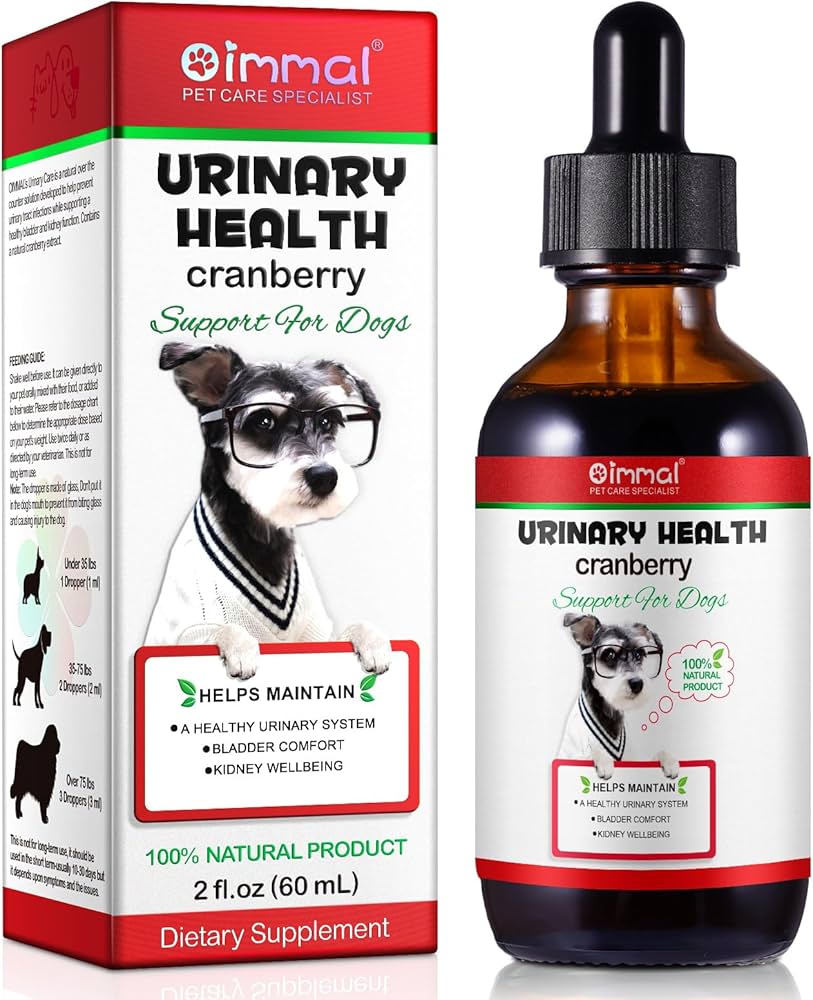
Cranberry Concentrate
While primarily known for soothing UTI symptoms and promoting urinary tract health, cranberry concentrate may offer some support for incontinence by maintaining a healthy bladder environment.
Kidney and Bladder Support Supplements
Herbal supplements specifically formulated for kidney and bladder relief can be instrumental. These often contain natural ingredients that support urinary tract function and may help reduce leakage over time. For instance, one owner found significant improvement within four weeks of using a product containing herbs for kidney and bladder support.
Glandular Support Supplements
- Symplex F: This glandular product supports the adrenal, pituitary, ovary, and thyroid glands. Even in spayed females, adrenal glands produce small amounts of estrogen, which can aid urethral muscles. A case study showed significant improvement in a dog unresponsive to conventional treatments after using Symplex F.
- Vasculin: Often used in conjunction with Symplex F, Vasculin contains components that support muscles and B complex vitamins to enhance nerve conduction.
Homeopathic Remedies
Homeopathic protocols, such as Dr. Peter Dobias’s “Incontia,” offer a different approach. These remedies aim to address the underlying imbalances contributing to incontinence.
Supporting Bladder Health and Immune System
Beyond specific incontinence treatments, bolstering overall bladder and immune system health is crucial.
- Postbiotics: These provide beneficial compounds that support gut health and immune function, indirectly benefiting the urinary system.
- Bladder Support Supplements: Products designed to promote optimal bladder health and maintain a healthy urine pH can be valuable.
- Probiotics: A multi-benefit formula can aid digestion and immunity, contributing to overall well-being.
Chiropractic Care
For some dogs, chiropractic adjustments can alleviate pressure on nerves controlling bladder muscles by correcting spinal misalignments, thereby reducing incontinence.
Practical Aids During Treatment
While natural remedies work their magic, practical aids can manage symptoms and maintain hygiene.
- Dog Diapers: Disposable diapers for female dogs or belly bands for males can be a lifesaver during treatment, preventing accidents and keeping the home clean.
- Odor and Stain Removers: Enzymatic cleaners are essential for tackling urine odors and stains, ensuring a hygienic environment. Products like Kennel Odor Eliminator or Bac-Out can be effective.
A Personal Journey: Rose’s Story
Rose, a 12-year-old Sheltie/Golden Retriever mix, experienced incontinence due to various factors, including age, potential hormonal changes, and past ingestion of toxic substances. While conventional treatments like Proin were suggested, her owner opted for a natural approach after researching Dr. Dobias’s work. Combining apple cider vinegar, a homeopathic protocol, and glandular supplements like Symplex F and Vasculin, significant improvement was observed. Although occasional setbacks occur, the natural approach proved successful in managing Rose’s incontinence without resorting to harsh medications.
Conclusion: Natural Remedies Offer Hope
While natural remedies for dog urinary incontinence may require patience, they provide a safer, side-effect-free alternative to pharmaceutical drugs. Finding the right solution often involves trial and error, and what works for one dog may differ for another. By understanding the potential causes and exploring these natural avenues, owners can significantly improve their dog’s quality of life. If you’ve discovered an effective natural remedy, share your story in the comments below; it might help another dog in need.
