
Living with an anxious dog can be a heartbreaking and frustrating experience. The constant pacing, whining, destructive behavior, and excessive barking are signs of a pet in distress, not a “bad dog.” If you’re in the coastal North Carolina area, you’re not alone in this struggle. Finding effective anxious dog training in Wilmington is the first crucial step toward helping your furry friend find peace and confidence. This guide will walk you through understanding your dog’s anxiety, what to look for in a trainer, and how you can create a more serene life for you both.
Understanding canine anxiety is a complex but essential part of the journey. For a deeper dive into how specialized training can transform a dog’s life, consider the path of [training a therapy dog](https://dogcarestory.com/training-a-therapy-dog/), which often begins with building a foundation of confidence and calm.
Decoding Your Dog’s Anxious Behaviors
Anxiety in dogs can manifest in various ways, often escalating from subtle cues to more overt, problematic behaviors. Recognizing these signs early is key to addressing the root cause before it becomes more severe.
Common Signs of Canine Anxiety
- Destructive Acts: Chewing on furniture, door frames, or frantic digging, especially when you are away, is a classic sign of separation anxiety.
- Excessive Vocalization: Barking, howling, or whining that persists for long periods can indicate distress.
- Pacing and Restlessness: An inability to settle down, even in a comfortable environment, often points to an anxious state of mind.
- Aggression and Reactivity: Snapping, growling, or lunging at other dogs or people can be rooted in fear and anxiety, not malice.
- Body Language: Tucked tail, flattened ears, excessive lip-licking, and “whale eye” (showing the whites of the eyes) are all signals that your dog is uncomfortable.
“Many owners mistake anxiety-driven actions for deliberate disobedience,” states Dr. Emily Carter, a certified veterinary behaviorist. “The truth is, these behaviors are a desperate cry for help. The dog is not trying to be naughty; it is trying to cope with overwhelming feelings of fear or panic.”
Understanding these signals is the foundation of compassionate and effective training. It shifts the perspective from correcting a bad habit to healing an emotional wound.
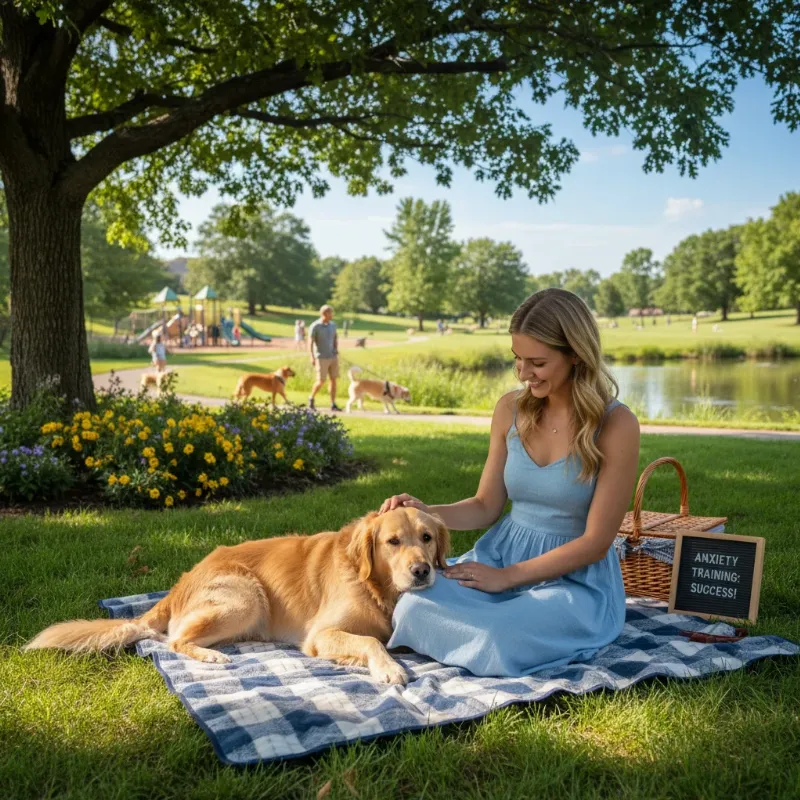 A happy golden retriever resting its head on its owner's lap in a sunny Wilmington, NC park, illustrating the positive results of anxious dog training
Why Professional Anxious Dog Training is a Game-Changer
While there are many resources available online, tackling severe anxiety alone can be ineffective and sometimes even worsen the problem. A professional trainer or behaviorist in Wilmington brings invaluable expertise and a structured approach tailored to your dog’s specific needs.
The Benefits of Expert Guidance
- Accurate Assessment: A professional can distinguish between different types of anxiety—such as separation anxiety, fear-based reactivity, or generalized anxiety—and identify the specific triggers.
- Customized Training Plans: There is no one-size-fits-all solution. Experts create personalized programs that may include desensitization, counter-conditioning, and confidence-building exercises.
- Safe Socialization: For dogs with social anxiety, a trainer can facilitate controlled, positive interactions that build good experiences rather than reinforcing fear.
- Owner Education: A crucial part of the process is empowering you, the owner. A good trainer teaches you how to read your dog’s body language, manage situations effectively, and continue the training at home. This is particularly relevant for anyone considering advanced programs like
[therapy dog training nc](https://dogcarestory.com/therapy-dog-training-nc/), where handler skill is paramount.
Finding the Right Anxious Dog Training in Wilmington
Wilmington has a community of skilled trainers, but it’s vital to choose one whose philosophy aligns with modern, humane, and science-backed methods.
What to Look for in a Dog Trainer
- Positive Reinforcement Philosophy: Look for trainers who use rewards-based methods. This approach is proven to be more effective and humane for anxious dogs, as it builds trust and positive associations. It avoids punishment and fear, which can exacerbate anxiety.
- Certifications and Experience: Inquire about their certifications (like CPDT-KA) and their specific experience working with anxious or reactive dogs.
- In-Home Assessments: Many top trainers offer an initial consultation in your home. This allows them to see the dog in its own environment and understand the family dynamic, leading to a more effective plan.
- Clear Communication: A great trainer is also a great teacher for people. They should be able to explain their methods clearly and provide you with consistent support and feedback.
How do you train an anxious dog?
The most effective training for an anxious dog involves a combination of management and behavior modification. This includes creating a predictable routine, using positive reinforcement to reward calm behavior, and gradually exposing the dog to its triggers at a sub-threshold level (a technique called desensitization) to build confidence.
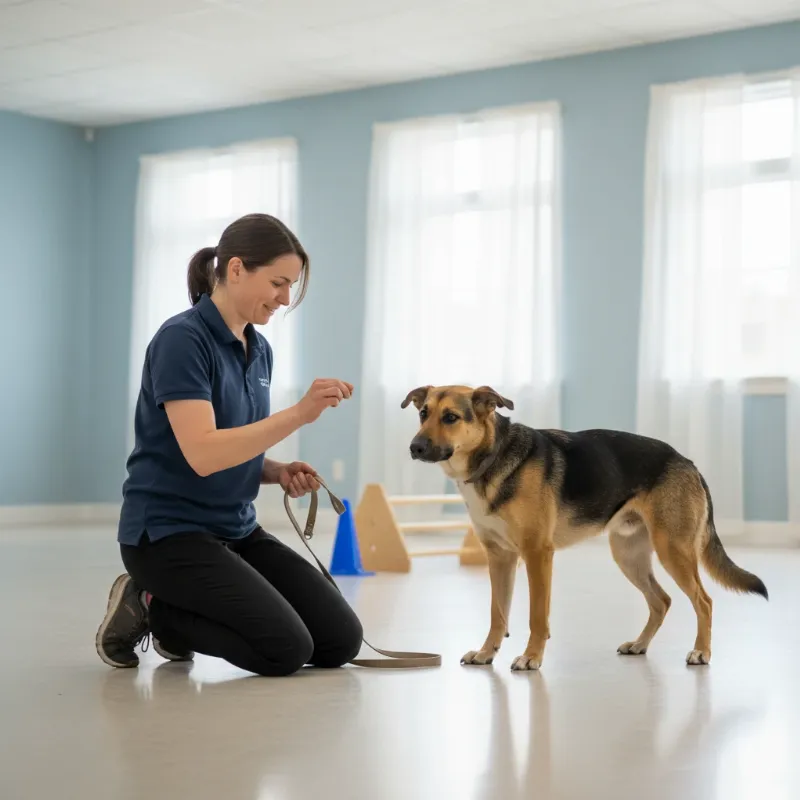 A dog trainer gently giving a treat to a slightly timid shepherd mix during an anxious dog training session in Wilmington
Supporting Your Anxious Dog Beyond Training Sessions
Training is a partnership, and the work continues at home. Your daily routines and environment play a massive role in managing your dog’s anxiety.
Creating a Calming Home Environment
- Establish a Routine: Dogs thrive on predictability. Consistent times for feeding, walking, and sleeping can significantly reduce generalized anxiety.
- Create a Safe Space: Designate a comfortable, quiet area—like a crate with a cozy bed or a corner of a room—where your dog can retreat when feeling overwhelmed. This space should be respected by everyone in the household as the dog’s personal sanctuary.
- Mental and Physical Exercise: A tired dog is often a calmer dog. Ensure your pet gets plenty of physical exercise, but don’t forget mental stimulation. Puzzle toys, scent work, and training games can help build confidence and reduce boredom-related anxiety.
- Consider Calming Aids: While not a substitute for training, supplements, calming pheromone diffusers, or anxiety wraps can be useful tools to support the overall behavior modification plan. Always consult with your veterinarian before introducing new supplements.
The dedication to creating a supportive environment is a skill that translates to many areas of pet care. It’s a foundational element whether you’re helping a dog overcome fear or deciding to [train to be a dog groomer](https://dogcarestory.com/train-to-be-a-dog-groomer/), where handling nervous animals with confidence is key.
Your Path Forward
Helping your dog overcome anxiety is a journey of patience, compassion, and consistency. By understanding the signs of their distress and seeking professional anxious dog training in Wilmington, you are making a profound commitment to their well-being. A calmer, happier, and more confident companion is within reach, strengthening the incredible bond you share for years to come.
Frequently Asked Questions (FAQ)
1. How long does it take to see results from anxious dog training?
Progress varies depending on the dog’s age, the severity of the anxiety, and owner consistency. Some dogs show improvement in a few weeks, while others with more deep-seated issues may require several months of dedicated work. The key is patience and celebrating small victories.
2. Can anxiety in dogs be cured completely?
While some dogs can make a full recovery, many learn to manage their anxiety effectively with the right tools and support. The goal is to reduce the frequency and intensity of anxious episodes and give the dog better coping mechanisms, leading to a significantly improved quality of life.
3. What is the difference between a dog trainer and a veterinary behaviorist?
A dog trainer typically works on obedience and modifying common problem behaviors. A veterinary behaviorist is a veterinarian who has undergone further specialization in animal behavior and can diagnose and treat more complex issues, including prescribing medication if necessary. For severe anxiety, a collaboration between the two is often ideal.
4. Is crate training good for a dog with separation anxiety?
It can be, but only if done correctly. The crate must be introduced gradually and associated with positive things; it should be a safe den, not a place of punishment. Forcing a dog with severe separation anxiety into a crate can lead to panic and injury. A professional trainer can guide you on the proper approach.
5. How much does anxious dog training cost in Wilmington?
Costs can vary widely based on the trainer’s experience and the type of program. Group classes are typically the most affordable option, while private in-home sessions or intensive board-and-train programs will be a more significant investment. Many trainers offer free initial consultations to discuss a plan and provide a quote.
