
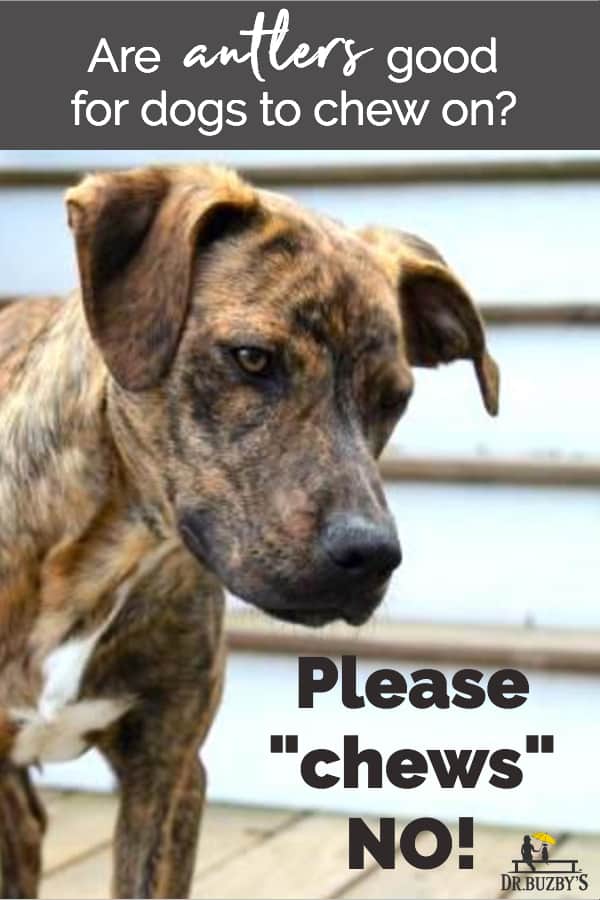
As devoted pet parents, we strive to provide our canine companions with items that bring them joy and satisfaction. However, what might seem like a delightful treat could harbor hidden dangers. This article delves into why antlers, despite their natural appeal and popularity, are generally not recommended as chew toys for dogs, according to veterinary professionals. We’ll explore the specific risks, including dental damage, choking hazards, and gastrointestinal obstructions, and offer safer alternatives to ensure your dog’s well-being.
Understanding Antler Chews
Antler chews come in various forms, primarily derived from deer, elk, moose, or buffalo. They are often marketed as natural, sustainable, and long-lasting treats. While their origin is natural, and they are shed and regrown annually by many species, their hardness poses significant risks to a dog’s health. It’s crucial to understand that “natural” does not automatically equate to “safe” when it comes to chew toys for dogs.
The Veterinarian’s Stance on Antlers for Dogs
The overwhelming consensus among veterinarians is a clear “no” when it comes to dogs chewing on antlers. This strong recommendation is not based on mere opinion but on extensive clinical experience and a deep understanding of canine physiology. A significant majority of veterinarians do not recommend antler chews, and many have personally witnessed or experienced the detrimental effects on their own pets. While some dogs may chew antlers without immediate apparent harm, the potential for severe injury remains, making it a gamble not worth taking.
Three Major Risks Associated with Antler Chews
Antlers present a trifecta of potential dangers that can lead to significant health issues for dogs:
1. Severe Dental Risks
The hardness of antlers is a primary concern. Dogs’ teeth, while strong, are not impervious to damage from excessively hard objects. Chewing on antlers can lead to:
- Fractured Teeth: This is the most common and serious risk. The hard surface of antlers can easily cause teeth, particularly the fourth upper premolar (carnassial tooth), to chip or break. This can expose the sensitive inner pulp, leading to pain, infection, and the need for costly veterinary procedures like root canals or extractions. A study indicated that a significant percentage of dogs presented for dental cleaning have traumatic dental injuries, with fractured teeth being a major component.
- Slab Fractures: A common type of fracture occurs when a side portion of the tooth breaks off, exposing the nerve. This is incredibly painful for the dog and creates an entry point for bacteria, potentially leading to abscesses that can even rupture through the facial tissue.
- Misconception of Dental Cleaning: While some believe antlers help clean teeth by scraping tartar, this benefit is vastly outweighed by the risk of tooth fracture. Safer methods for dental hygiene exist that do not endanger the dog’s teeth.
2. Choking Hazards
As dogs chew antlers down, they can break into smaller pieces. These smaller fragments can become lodged in a dog’s airway, leading to choking, which can be life-threatening if not addressed immediately. Signs of choking include gasping, pawing at the mouth, distress, and a blue-tinged tongue or gums. Prompt intervention, potentially including the Heimlich maneuver, and immediate veterinary care are essential.
3. Gastrointestinal Obstructions
If a dog swallows a piece of antler, it can cause a blockage in the gastrointestinal tract, specifically the esophagus, stomach, or intestines.
- Esophageal Obstruction: A lodged antler piece can prevent food from reaching the stomach and can damage the esophageal lining. Severe cases might lead to a perforation of the esophagus. Symptoms include difficulty swallowing, regurgitation, excessive drooling, and gagging.
- Gastrointestinal (GI) Obstruction: If the antler piece moves to the stomach or intestines, it can cause a blockage that prevents the normal passage of food and waste. This is a surgical emergency that can lead to intestinal tissue death or perforation, peritonitis (abdominal infection), and can even be fatal. Symptoms include vomiting, abdominal pain, lethargy, poor appetite, and weight loss.
The question of whether a dog’s stomach can break down antlers is debated, but even if it eventually does, the intact piece can still cause significant harm while lodged. This risk is particularly concerning for dogs with a history of pancreatitis, as antlers are sometimes wrongly recommended as a low-fat chew option.
Safer Alternatives for Chew-Loving Dogs
Fortunately, numerous safe and effective chew toys are available for dogs, even those with strong chewing instincts. The key is to select items that are appropriately sized, durable, and not excessively hard. A widely accepted guideline, known as the “kneecap smack” test, suggests that if a chew toy is too hard to comfortably smack against your own kneecap without causing pain, it is likely too hard for your dog’s teeth.
Veterinarians often recommend:
- Rubber Chew Toys: Brands like Kong and Zogoflex toys from West Paw are designed to be durable yet flexible, offering a safe chewing experience.
- VOHC-Approved Products: Look for the Veterinary Oral Health Council (VOHC) seal of acceptance on dental products. These products are proven safe and effective for plaque and tartar control.
It is advisable to avoid other hard chew items that fail the “kneecap smack” test, including nylon bones, large rawhides, hooves, pig ears, bully sticks, and unprocessed large bones.
A Veterinarian’s Plea: Prioritize Safety
As dog owners, we want the best for our furry family members. Learning from the experiences of others, like the veterinarian sharing her story of her dog Luke fracturing teeth on an antler, can be invaluable. The marketing of antlers as natural and beneficial chews can be misleading. It’s essential to remember that natural does not always mean safe.
Partnering with your veterinarian is crucial for making informed decisions about your dog’s health, including selecting appropriate chew toys. By understanding the risks associated with antlers and opting for safer alternatives, you can protect your dog from painful injuries and costly medical treatments, ensuring they live a long, healthy, and happy life. Make safe chewing a cornerstone of your dog’s dental care routine, alongside regular brushing and annual dental check-ups.
