
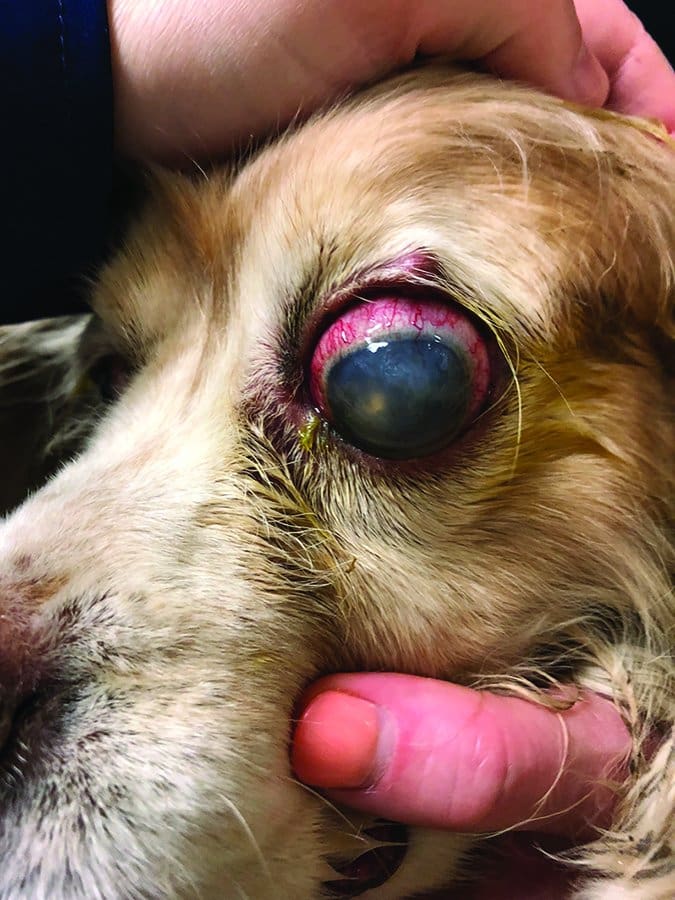
Dog eye allergies, also known as allergic conjunctivitis, can cause discomfort for your canine companion, manifesting as itchy, watery, or red eyes. These allergies often arise from seasonal environmental triggers like pollen, dust, or mold spores that come into contact with your dog’s eyes. While not a medical emergency, understanding the symptoms, causes, and treatments is crucial for your dog’s well-being.
Symptoms of Dog Eye Allergies
Recognizing the signs of eye allergies in dogs is the first step toward providing relief. Common symptoms include:
- Redness or swelling around the eyes.
- Itchy eyes, leading to the dog frequently rubbing their face or pawing at their eyes.
- Squinting or excessive blinking as a response to irritation.
- Discharge from the eyes, which can be watery or sometimes thick and colored.
Causes of Dog Eye Allergies
The primary culprits behind dog eye allergies are environmental allergens. These can include:
- Seasonal pollens: Tiny particles released by flowering plants and trees, especially prevalent in spring and fall, are the most frequent cause. When pollen lands on a dog’s eye, their immune system reacts, producing tears to flush it out, which can lead to ocular discharge and inflammation.
- Dust and mold spores: These microscopic particles can also trigger allergic reactions in sensitive dogs.
- Aerosolized products: Certain household sprays or air fresheners can irritate a dog’s eyes.
- Food allergies: In some cases, allergies to certain ingredients in a dog’s diet can manifest as eye irritation.
While any breed, age, or gender of dog can be affected, those living in areas with high pollen counts may experience more frequent or severe symptoms. This can also lead to seasonal flare-ups coinciding with blooming periods.
Diagnosing Dog Eye Allergies
Veterinarians typically diagnose dog eye allergies through a combination of your dog’s medical history and a thorough physical examination. An ophthalmoscope is used to examine the interior of the eye. If discharge or squinting is observed, further tests may be conducted:
- Fluorescein Stain: A special dye is applied to the eye to detect any scratches or injuries to the cornea.
- Tonometry: This test measures the pressure inside the eye to rule out conditions like glaucoma or uveitis.
It’s important to inform your vet about any other allergy-related symptoms your dog might be experiencing, such as excessive licking or chewing of their paws, scratching, head shaking, scooting, coughing, or digestive upset, as allergies can affect multiple body systems.
Treatment for Dog Eye Allergies
Treatment for dog eye allergies often involves a multi-faceted approach, tailored to the severity of the condition:
- Medicated Eye Drops: Steroid-containing eye drops can quickly reduce inflammation and itching. Examples include neo-poly-dex ophthalmic suspension.
- Systemic Allergy Medications: These medications are administered orally or via injection and work throughout the dog’s body to manage the allergic response.
- Antihistamines: For mild allergies, over-the-counter antihistamines like Benadryl or Zyrtec may provide relief. Always consult your veterinarian before administering any medication.
- Prescription Medications: For more severe cases, veterinarians may prescribe stronger medications such as Apoquel or injectable treatments like Cytopoint.
It’s important to note that allergies are typically managed rather than cured. Consistent treatment can alleviate symptoms, but flare-ups may occur if the dog is re-exposed to the allergen.
Recovery and Management
The response to treatment is generally rapid, with most dogs showing improvement within days. Symptoms often subside naturally as environmental allergens like pollen diminish with changing seasons.
Ongoing management strategies can significantly help:
- Eye Flushing: Regularly flushing your dog’s eyes with artificial tears or a vet-approved eye cleaner, such as Optixcare Eye Cleaner, can wash away allergens and irritants.
- Eye Wipes: Using eye-safe wipes, like Optixcare Eye Cleaning Wipes, can help prevent moisture and bacteria buildup on the skin under the eyes, reducing the risk of secondary infections.
- Protective Collars: If your dog is excessively rubbing or scratching their eyes, an Elizabethan collar (cone) can prevent self-inflicted injury.
Preventing Dog Eye Allergies
Preventing eye allergies primarily involves minimizing exposure to known allergens:
- Environmental Control: Keep windows closed during high pollen seasons and use air purifiers with HEPA filters to reduce airborne allergens in your home. Regular cleaning can help control dust buildup.
- Grooming Products: Opt for hypoallergenic shampoos and grooming products like Douxo S3 CALM shampoo.
- Post-Walk Routine: Wipe your dog’s feet with pet-safe wipes, such as Pet N Pet Unscented Wipes, after outdoor excursions to remove pollen and other potential irritants. Removing your shoes at the door can also help.
- Veterinary Guidance: Regularly administer prescribed medications during allergy season to prevent symptoms from escalating.
- Dietary Considerations: If food allergies are suspected, discuss novel protein or hydrolyzed protein diets with your veterinarian to identify and eliminate trigger ingredients.
Frequently Asked Questions about Dog Eye Allergies
How are dog eye allergies treated?
Treatment typically involves allergy medications, which can be in the form of eye drops or oral/injectable systemic treatments.
What do allergic dog eyes look like?
Affected eyes are often red, watery, and may exhibit discharge. Dogs may squint or rub their eyes due to irritation.
Can Benadryl help with dog eye allergies?
Benadryl may offer some relief for certain dogs, but it is essential to consult your veterinarian for personalized advice and dosage recommendations.
What provides relief for itchy dog eyes?
Flushing the eyes with a vet-approved eye wash can help reduce itchiness. Prescription steroid eye drops may also be effective, but only after a veterinarian has ruled out any corneal injuries.
