
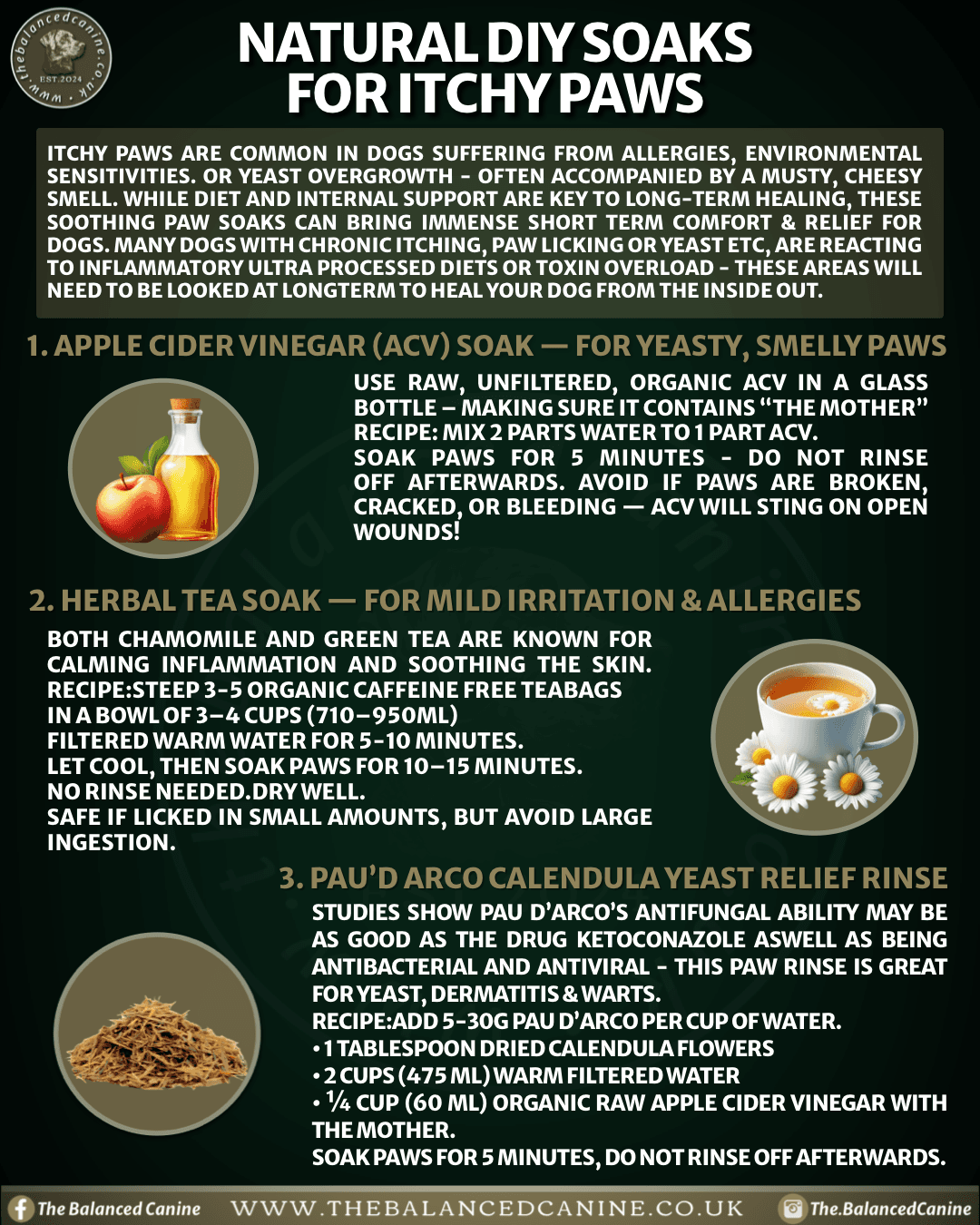
Dealing with a dog that’s constantly scratching can be distressing for both the pet and the owner. Skin allergies are a common culprit, and while they can be complex, readily available over-the-the-counter options like antihistamines and Omega-3 fatty acids can offer significant relief for many dogs. This guide explores how these common remedies work, their appropriate usage, and when to seek professional veterinary care.
Antihistamines are often the first line of defense for managing mild to moderate itching in dogs with skin allergies. They function by blocking histamine, a chemical released by the body during an allergic reaction that causes itching and inflammation. For optimal results, it’s crucial to start antihistamine treatment when the itching is still mild and, ideally, in conjunction with Omega-3 fatty acids, which also possess anti-inflammatory properties. The affordability and general safety profile of these medications make them an attractive option for concerned pet owners. However, it’s important to understand that not all antihistamines are equally effective for every dog. A trial-and-error approach may be necessary, with each medication tested for a period of 2-3 weeks before concluding it’s ineffective.
Understanding Antihistamine Options and Dosages
When selecting an antihistamine for your canine companion, consult your veterinarian about the most appropriate choice and dosage. Here are some commonly used antihistamines and their general dosages, but always confirm with your vet before administering any medication:
- Cetirizine (Zyrtec): Administer ¼ to ½ mg per pound of body weight twice daily. This translates to approximately one 10mg tablet for every 30-40 lbs of your dog’s weight.
- Loratadine (Claritin): This medication is typically given once daily at a dosage of ¼ mg per pound of body weight. For a 20 lb dog, this would be about half of a 10mg tablet.
- Clemastine (Tavist-1, Antihist-1): A dosage of 0.02mg per pound of body weight, administered twice daily, is generally recommended. This means one 1.34mg tablet for a 65lb dog.
- Diphenhydramine (Benadryl): This can be given at a dose of 1mg per pound of body weight twice daily. For example, a 25lb dog would receive one 25mg tablet. A potential side effect is sedation, which can be beneficial if given at night to help with sleep.
- Hydroxyzine: This is a prescription product, typically given at 1mg per pound of body weight twice daily. A 25lb dog would receive one 25mg tablet.
Crucial Safety Note: Some liquid or rapidly dissolving tablet forms of antihistamines may contain xylitol, an artificial sweetener that is highly toxic to dogs. Always carefully read product labels and avoid any preparation containing xylitol. Never give your dog sugar-free gum, as it often contains xylitol. Other artificial sweeteners like sorbitol are generally considered safe.
The Role of Omega-3 Fatty Acids
In addition to antihistamines, Omega-3 fatty acids, particularly those derived from fish oil, can play a significant role in reducing skin itch and inflammation in dogs. These fatty acids are also beneficial for overall health. High doses of Omega-3s, specifically EPA and DHA, can be very effective. Dosages should be based on the combined EPA and DHA content:
- Dogs under 30 lbs: 75mg per pound of combined EPA and DHA daily.
- Dogs 31-60 lbs: 60mg per pound of combined EPA and DHA daily.
- Dogs over 60 lbs: 50mg per pound of combined EPA and DHA daily.
It is advisable to gradually introduce these high doses over approximately two weeks to allow your dog’s digestive system to adjust. Using a high-potency product can minimize the actual volume of fish oil needed. Products like Welactin are often recommended due to their potency and purity.
When to Seek Veterinary Professional Help
While over-the-counter options can be effective for mild cases, it’s essential to recognize when more intensive veterinary care is required. If your dog’s itching is severe or persistent despite using antihistamines and Omega-3s, a comprehensive examination by a veterinarian is necessary. They will investigate for underlying causes such as fleas, mites, or secondary bacterial and yeast infections. For more severe conditions, prescription medications like Apoquel, Cytopoint, or potentially prednisone may be needed to provide significant relief and improve your dog’s comfort. Your veterinarian can accurately diagnose the issue and tailor a treatment plan specific to your dog’s needs, ensuring they receive the best possible care. For more information on pain management options for dogs, consider exploring resources on otc pain meds for dogs with arthritis.
