
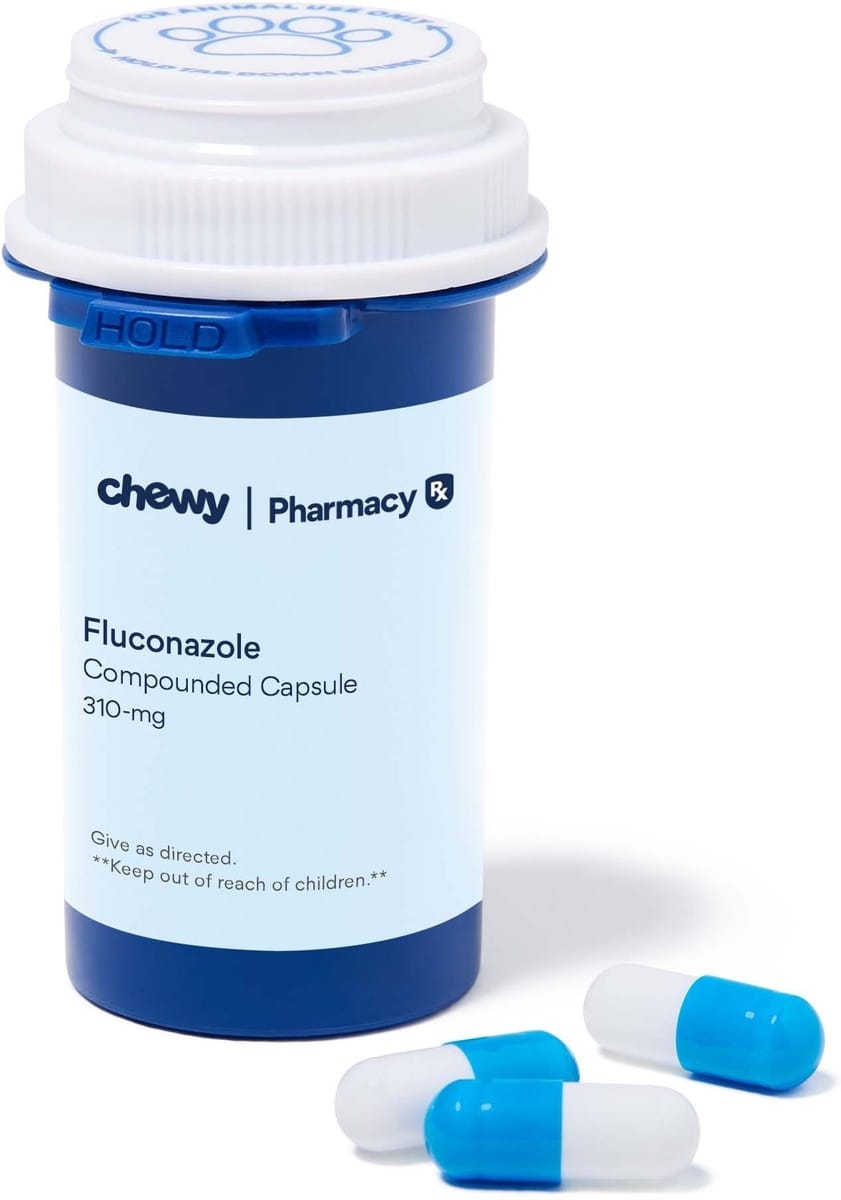
Fluconazole is a vital prescription antifungal medication that plays a crucial role in treating systemic fungal and yeast infections in dogs. It is also utilized for skin, ear, and nail infections caused by yeast and ringworm. While fluconazole is FDA-approved for human use, it’s commonly prescribed by veterinarians for dogs, often as an off-label use. This practice, known as extra-label use, allows veterinarians to prescribe human medications when they are the most suitable option for a pet’s health needs. In some cases, veterinarians may recommend compounded fluconazole formulations for pets with specific needs, such as difficulty swallowing pills or allergies to ingredients in FDA-approved medications.
Fluconazole Considerations in Dogs
When administering fluconazole to dogs, it’s essential to exercise caution, particularly in pets with existing liver disease, or those that are pregnant or nursing. Fluconazole can also interact with other medications, making it imperative to disclose all medications, including vitamins and supplements, as well as any medical conditions your pet has, to your veterinarian. For pets with kidney disease, dosage adjustments, such as a lower or reduced dose, may be necessary. Always consult your veterinarian to determine if fluconazole is the appropriate treatment for your pet’s specific condition.
How Fluconazole Works in Dogs
Fluconazole functions as an antifungal by disrupting the fungi’s ability to produce a crucial enzyme necessary for their cell membrane synthesis. This inhibition effectively halts the metabolism and growth of the targeted fungus. Its ability to penetrate areas like the nervous system and urinary tract makes it particularly useful for treating fungal infections in these regions.
Directions for Fluconazole for Dogs
Administer fluconazole to your dog strictly according to the directions provided on the drug label or by your veterinarian. It can typically be given with or without food. If your pet experiences digestive upset when taking the medication on an empty stomach, offering it with a small meal may help alleviate symptoms.
Missed a Dose?
If you miss a dose, contact your veterinarian for guidance. They may advise you to administer the missed dose as soon as you remember, or if the next dose is imminent, to skip the missed dose and return to your regular schedule. Never administer extra or double doses to compensate for a missed one.
Possible Side Effects of Fluconazole in Dogs
While generally well-tolerated, fluconazole can cause side effects in dogs. These may include vomiting, loss of appetite, and symptoms of liver irritation such as yellowing of the gums, skin, or whites of the eyes.
Human Side Effects
It is crucial to remember that fluconazole is also a prescription medication for humans, often with different dosages than those prescribed for pets. For safety reasons, human medications should never be administered to pets, and pets’ medications should not be used by humans. If accidental ingestion of a pet’s medication occurs, contact your physician or the national Poison Control Center at 1-800-222-1222 immediately.
Monitoring Your Pet
Your veterinarian may recommend specific monitoring or routine testing for your pet while they are on fluconazole, depending on their individual health status, other medications they may be taking, and the reason for the prescription. For pets on long-term fluconazole therapy, regular monitoring of liver function may be advised.
When To Call Your Vet
Contact your veterinarian immediately if your pet experiences severe side effects, their condition worsens or does not improve, you suspect an overdose, or if you have any further questions or concerns about the use of fluconazole.
Fluconazole Overdose in Dogs Information
Information regarding fluconazole overdoses in dogs is limited, with toxic effects typically occurring only with very large ingestions. Signs of an overdose may include shallow breathing, drooling, urinary incontinence, blue gum color, vomiting, and diarrhea. If an overdose is suspected, seek immediate veterinary attention from your veterinarian, an emergency veterinary clinic, or an animal poison control center. Consultation fees may apply.
How To Store Fluconazole for Dogs
Proper storage of fluconazole is essential to maintain its efficacy. Store oral tablets at controlled room temperatures below 86°F (30°C). Liquid fluconazole should be kept at room temperatures between 41–86°F (5–30°C) and protected from freezing. Ensure the container remains tightly closed to shield the medication from moisture and light. For compounded medications, follow the specific storage instructions provided by the compounding pharmacy. Always keep fluconazole out of reach of children and pets, and confirm storage requirements by reading the product label.
Fluconazole for Dogs FAQs
How long does it take for fluconazole to work in dogs?
Fluconazole begins to act within a few hours of administration, though outward signs of improvement may not be immediately apparent. Depending on the severity of the fungal infection and your dog’s overall health, it may take several days to weeks for them to show noticeable improvement.
Can fluconazole be prescribed for Valley Fever?
Yes, fluconazole is frequently used as a primary treatment for Valley Fever (coccidioidomycosis) in dogs.
How long should a dog be prescribed fluconazole?
The duration of fluconazole treatment for a dog is highly dependent on the specific type of fungal infection. Treatment courses can vary from weeks to months, or even years, as determined by your veterinarian, who will establish the most effective treatment plan for your pet.
All content is sourced from public information and manufacturer data. No compensation has been received from medication manufacturers for the creation of this article.
References
Stephanie Howe, DVM
Veterinarian
Dr. Stephanie Howe graduated from the University of Florida College of Veterinary Medicine in 2011, after receiving a Bachelor of Science…
