
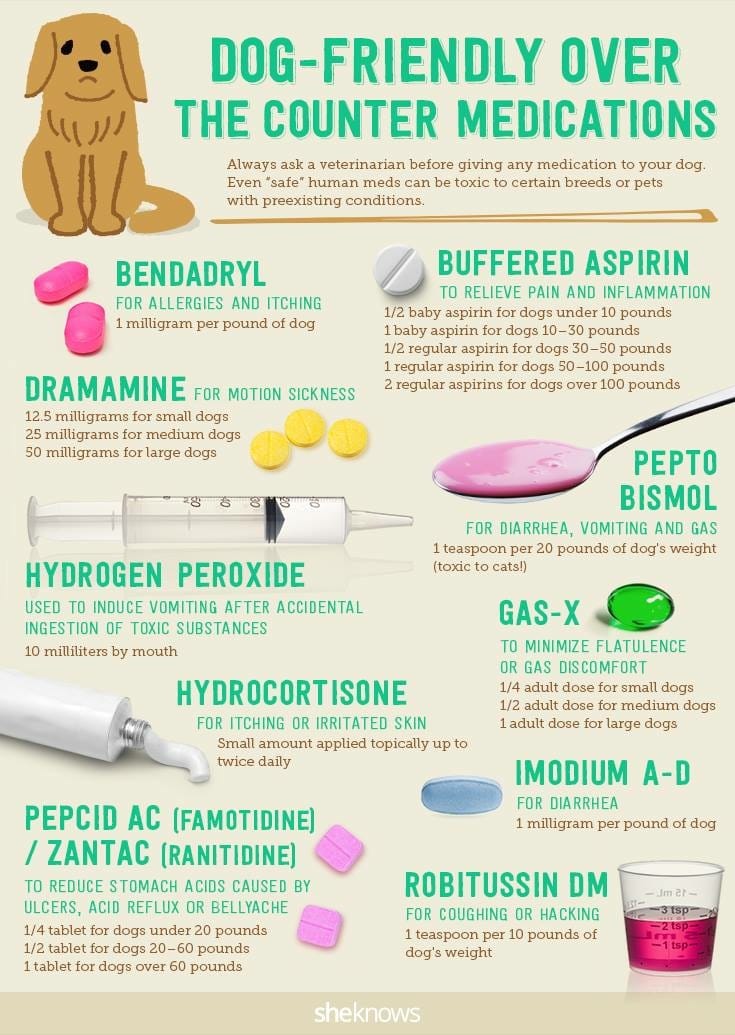
It’s a common instinct for pet parents to reach for human medications when their furry companions seem unwell. However, it’s crucial to understand that dogs are not small humans, and what’s safe for us can be dangerous for them. While veterinarians may prescribe human medications for dogs in certain situations, significant differences exist in drug tolerances, side effects, and appropriate dosages. Always consult your veterinarian before administering any human medication to your dog, as it could worsen their condition or lead to severe adverse effects.
Are There Any Safe Over-the-Counter Human Medications for Dogs?
While veterinarians sometimes recommend specific over-the-counter (OTC) human medications for dogs, it’s never advisable to self-medicate without professional guidance. Even seemingly benign products like artificial tears can be recommended for lubricating a dog’s eyes or removing debris. However, they are ineffective for all eye conditions, and a veterinarian must assess any eye issue to rule out scratches or ulcers.
Can You Use Over-the-Counter Pain Meds for Dogs?
Pain medications are frequently a point of concern for pet owners, but they also present some of the greatest risks.
Acetaminophen (Tylenol / Excedrin)
Acetaminophen, found in Tylenol and Excedrin, can cause severe liver damage in dogs. It also impairs the ability of red blood cells to carry oxygen, leading to methemoglobinemia. Additionally, acetaminophen is often combined with other medications in OTC products, such as allergy relievers, which may be unsafe for your dog.
NSAIDS (Advil / Motrin / Aspirin / Ibuprofen)
Non-steroidal anti-inflammatory drugs (NSAIDs) like ibuprofen, Advil, aspirin, and Motrin can lead to serious gastrointestinal issues, including stomach ulcers that manifest as bloody stool and vomit. They can also cause liver and kidney failure, and even seizures. Administering human NSAIDs to your dog before consulting a vet might also prevent them from prescribing more effective pain management options later due to potential overdose risks and fatal side effects.
What Vets Prescribe for Dogs for Pain?
Veterinarians typically prescribe canine-approved NSAIDs, gabapentin, or opioids like tramadol for pain management in dogs.
NSAIDS Approved for Dogs
Several NSAIDs are FDA-approved for dogs, including carprofen, deracoxib, and meloxicam. These are often prescribed for chronic pain from osteoarthritis or post-surgical pain. However, even these approved medications carry risks, particularly for dogs with pre-existing liver or kidney disease. Vets may recommend joint supplements containing glucosamine, chondroitin, and MSM to complement NSAIDs for arthritis pain, but always discuss supplement use with your vet.
Gabapentin
Gabapentin is an anticonvulsant medication frequently used to manage neuropathic pain in dogs with minimal side effects. It’s often prescribed for back injuries alongside anti-inflammatories and muscle relaxants like methocarbamol. It’s also a viable option for dogs with kidney or liver issues who cannot tolerate NSAIDs.
Opioids
While many opioids are restricted to veterinary clinic use, tramadol and buprenorphine can be prescribed for at-home use. Tramadol is often used in conjunction with gabapentin or NSAIDs. Buprenorphine is a choice for dogs experiencing visceral pain, such as from pancreatitis.
Can Dogs Take OTC Human Medicine for Allergies?
Antihistamines are common OTC allergy medications for dogs. However, always consult your vet before administering them. Diphenhydramine (Benadryl) is generally safe for dogs but can cause drowsiness. Ensure Benadryl products do not contain acetaminophen. Cetirizine (Zyrtec) and loratadine (Claritin) are usually well-tolerated for itching and allergic reactions, but can cause vomiting or sedation in some dogs. Dogs with liver or kidney disease should not take these without veterinary approval.
Can You Use Over-the-Counter Topical Antibiotics for Dogs?
Minor cuts and scrapes on dogs can sometimes be treated with OTC antibiotic ointments like Neosporin. It’s essential to prevent your dog from licking the ointment to avoid delaying healing or causing secondary infections. Antiseptic sprays like Vetricyn might be better tolerated. However, any wound showing signs of infection requires oral antibiotics prescribed by a veterinarian.
Is Any OTC Human Medicine Safe for Dog Vomiting?
There are no safe OTC anti-nausea or anti-vomiting medications for dogs. These medications can mask serious underlying conditions like obstructions or foreign body ingestion. Pepto Bismol, while not toxic, poses a risk if aspirated into the lungs during vomiting and can interfere with diagnostic X-rays. Anti-emetic medications should only be administered under veterinary guidance.
Can I Give My Dog Cough Medicine?
Chronic coughing in dogs is a serious symptom that requires veterinary attention. Causes range from heartworm disease and kennel cough to congestive heart failure and cancer. Human cough medications should never be given to dogs, as many contain xylitol, a highly toxic artificial sweetener, or dangerous ingredients like acetaminophen.
Can You Give Antacids to Dogs?
Antacids such as famotidine (Pepcid) and omeprazole (Prilosec) should only be used under veterinary recommendation. Veterinarians often prescribe them for gastrointestinal ulceration. Ongoing studies are evaluating their long-term effects.
Can You Give Your Dog Human Medicine for Constipation?
Unflavored MiraLAX can be used for constipation in dogs, but proper dosage is critical to avoid gastrointestinal upset or diarrhea. Always consult your veterinarian before administering MiraLAX to your dog.
