
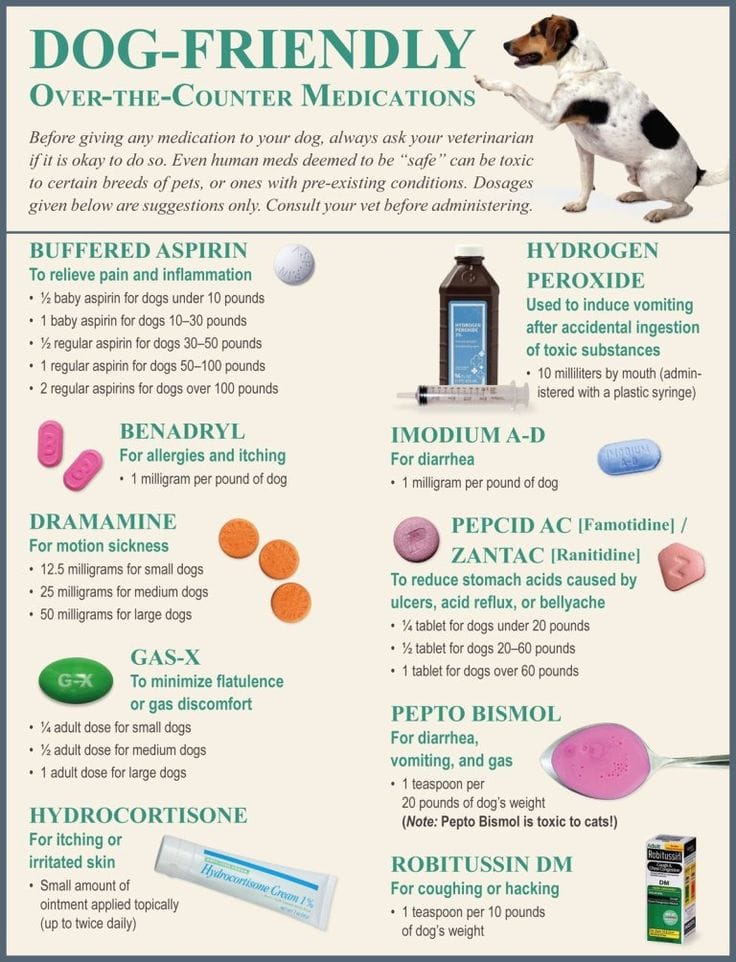
As devoted pet parents, we often consider our dogs as cherished members of the family, sometimes even as furry children. This deep affection can lead to the temptation of administering human medications to our canine companions when they are unwell. However, it is crucial to understand that dogs are not simply small humans. The same medications that are safe and effective for people can pose significant risks to dogs due to inherent differences in drug tolerances, metabolic pathways, and physiological responses.
While veterinarians may occasionally prescribe human medications for dogs, this is always done with careful consideration of dosages, potential side effects, and specific applications tailored to canine physiology. Unlike human medications that are often dosed by age, veterinary medicines are typically calculated based on a dog’s weight. Therefore, it is imperative to consult your veterinarian before administering any over-the-counter (OTC) medication to your dog, even if it seems harmless. What might be safe for one dog could be detrimental to another, especially if your dog has pre-existing health conditions.
Safe Over-the-Counter Human Medications for Dogs: A Veterinarian’s Perspective
While the general rule is to avoid giving human medications to dogs without veterinary consultation, there are a few exceptions. Certain OTC human medications are recommended by veterinarians for specific conditions. Even in these cases, professional guidance is essential.
Artificial Tears: A Mild Exception
Artificial tears are one of the few OTC human medications that can be generally safe for dogs and may be recommended by veterinarians. They can help lubricate a dog’s eyes, providing relief for dry eye conditions or assisting in the removal of dust particles and other foreign bodies. Dogs can experience dry eye. However, it is important to note that artificial tears are not a panacea for all eye ailments. Some foreign materials may require professional flushing by a veterinarian, who will also assess the eye for any scratches or ulcers that may have formed.
Over-the-Counter Pain Relief for Dogs: Proceed with Extreme Caution
Pain medications are among the most frequently administered OTC medications to pets by concerned owners. Unfortunately, they are also among the most dangerous.
Acetaminophen (Tylenol/Excedrin): A Serious Threat
Acetaminophen, commonly known by brand names such as Tylenol and Excedrin, is a widely available pain-relief medication. However, in dogs, excessive doses of acetaminophen can lead to severe liver damage and a dangerous condition called methemoglobinemia, which impairs the ability of red blood cells to carry oxygen. Furthermore, human acetaminophen products are often combined with other medications, such as allergy relievers, that may not be safe for canine consumption.
NSAIDs (Advil, Motrin, Aspirin, Ibuprofen): High Risk of Adverse Effects
Non-steroidal anti-inflammatory drugs (NSAIDs) are frequently used in veterinary medicine, but human-grade NSAIDs like ibuprofen, Advil, aspirin, and Motrin can cause serious gastrointestinal issues in dogs, including stomach ulcers that can manifest as bloody stool and vomiting. They also carry the risk of liver and kidney failure, seizures, and other severe side effects. Administering human NSAIDs to your dog without veterinary approval can also complicate future treatment options, as it may prevent your vet from prescribing more effective veterinary-specific NSAIDs. The risk of overdose and potentially fatal outcomes is significantly heightened when human NSAIDs are used without professional guidance.
Veterinarian-Prescribed Pain Management for Dogs
When dogs require pain relief, veterinarians have a range of safer and more effective options. These commonly include:
- Canine-Approved NSAIDs: Medications like carprofen, meloxicam, and firocoxib are specifically formulated and approved for use in dogs. They are often prescribed for chronic pain associated with conditions like osteoarthritis or to manage post-operative pain. While these are generally safe when prescribed and dosed correctly, they can still pose risks to dogs with pre-existing liver or kidney disease. Vets may recommend joint supplements containing glucosamine, chondroitin, and MSM to complement NSAIDs and support joint health, but it’s essential to discuss any supplement use with your vet.
- Gabapentin: This anticonvulsant medication is effective in managing neuropathic pain in animals with minimal side effects. It is frequently prescribed for back injuries, often in conjunction with anti-inflammatory drugs and muscle relaxants like methocarbamol. Gabapentin is also a valuable option for dogs with kidney or liver issues who cannot tolerate NSAIDs.
- Opioids: Certain opioids, such as tramadol and buprenorphine, may be prescribed by veterinarians for at-home use to manage pain. Tramadol is often used in combination with gabapentin or NSAIDs, while buprenorphine is favored for conditions like pancreatitis or visceral pain.
Allergy Medications for Dogs: What’s Safe and What’s Not
Antihistamines are commonly used OTC allergy medications for dogs. However, even these require veterinary oversight.
- Diphenhydramine (Benadryl): While generally safe and well-tolerated in dogs, Benadryl can cause drowsiness. It should not be given to pregnant dogs or those with low blood pressure or glaucoma without consulting a vet. Crucially, always check the ingredient list, as some Benadryl formulations contain acetaminophen, which is toxic to dogs.
- Cetirizine (Zyrtec) and Loratadine (Claritin): These antihistamines are usually well-tolerated for managing itching and allergic reactions. However, they can cause side effects like vomiting, excessive drooling, and sedation in some dogs. Dogs with liver and kidney disease should not receive these medications without veterinary approval.
Topical Antibiotics for Dogs: Addressing Minor Wounds
OTC antibiotic ointments like Neosporin can be used for minor scrapes and cuts. However, it’s crucial to prevent your dog from licking the ointment, as this can impede healing and increase the risk of secondary infections. Antiseptic sprays, such as Vetricyn, may be better tolerated by some dogs. For wounds showing signs of infection, such as redness or swelling, oral antibiotics prescribed by a veterinarian are necessary. Flea and tick control for dogs is also vital for preventing skin issues.
Vomiting and Nausea Medications for Dogs: A Strict No-Fly Zone
There are no safe OTC anti-nausea or anti-vomiting medications for dogs. Administering such medications can mask serious underlying conditions like foreign body ingestion, obstructions, or severe illnesses. While a dog might seem to improve temporarily, their condition could worsen significantly later. Pepto Bismol, though not toxic, poses a risk of aspiration into the lungs during vomiting and can interfere with diagnostic X-rays. Anti-emetic medications should only be administered or prescribed by a veterinarian.
Cough Medicines for Dogs: A Veterinary Necessity
Chronic coughing in dogs is a serious symptom that requires immediate veterinary attention. It can be indicative of various conditions, including heartworm disease, kennel cough, congestive heart failure, tracheal collapse, chronic bronchitis, or cancer. Human cough medications should never be given to dogs, as many contain xylitol, a highly toxic artificial sweetener. They may also contain other dangerous ingredients like acetaminophen.
Antacids for Dogs: With Veterinary Guidance Only
Antacids such as famotidine (Pepcid) and omeprazole (Prilosec) are sometimes recommended by veterinarians for treating and preventing gastrointestinal ulceration, particularly when dogs are on steroids. However, studies are ongoing regarding their long-term effects, and their use should strictly follow veterinary advice.
Constipation Relief for Dogs: Using MiraLAX Safely
Unflavored MiraLAX can be used for managing constipation in dogs. However, proper dosing is critical to avoid gastrointestinal upset and diarrhea. Always consult your veterinarian before administering MiraLAX to your dog.
Featured Image: iStock.com/Tom Merton
