
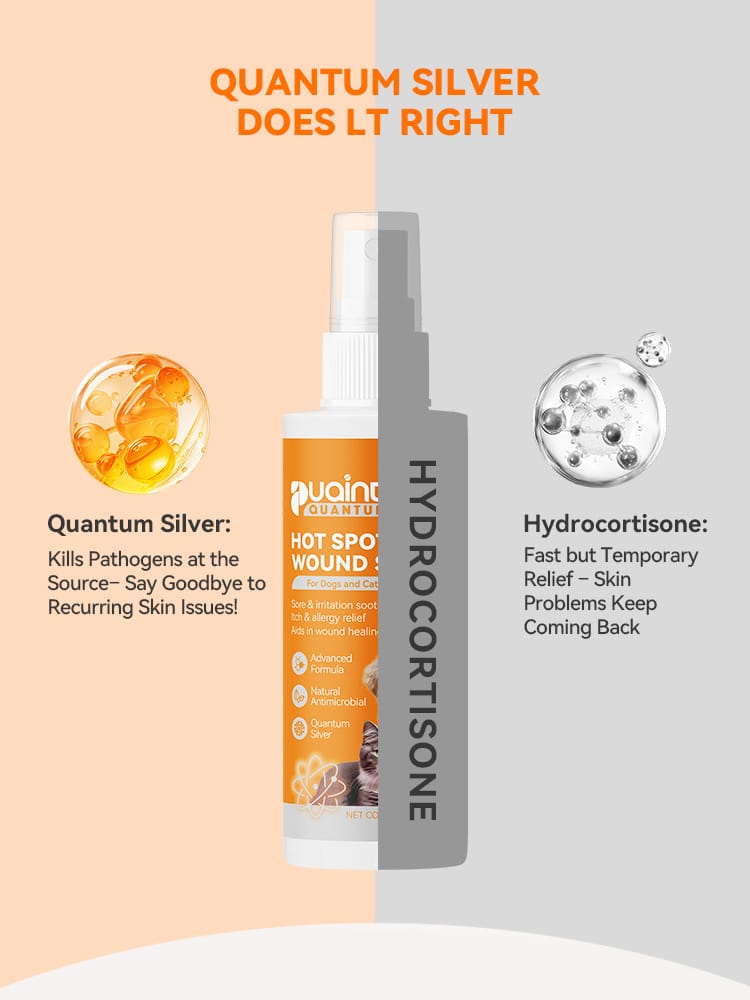
Hydrocortisone is a widely used corticosteroid in veterinary medicine, primarily recognized for its potent anti-inflammatory and anti-itch properties. This medication plays a crucial role in managing a variety of conditions affecting dogs and cats, offering relief from discomfort and aiding in the healing process. Available in numerous forms, from over-the-counter topical treatments to prescription injectables, hydrocortisone’s efficacy lies in its ability to modulate the body’s inflammatory response.
The application of hydrocortisone in veterinary care is diverse. It is commonly found in topical formulations such as creams, shampoos, sprays, ointments, and ear drops, all designed to address localized issues like skin inflammation, itching, and swelling. For more critical situations, an injectable form of hydrocortisone is administered in veterinary hospitals, particularly for the emergency treatment of hypoadrenocorticism, also known as Addisonian crisis. While oral forms exist and are sometimes utilized for long-term management of Addison’s disease, their use in veterinary patients is less routine. Over-the-counter hydrocortisone products typically contain less than 1% of the active ingredient, whereas more potent strengths, 1% or higher, require a veterinarian’s prescription. In specific scenarios, veterinarians might prescribe compounded oral formulations of hydrocortisone. These custom-made medications are created when FDA-approved drugs are not suitable, perhaps due to a pet’s difficulty with standard pill forms, unavailability of specific dosage strengths, or allergic reactions to ingredients in commercial medications. It’s important to understand that compounded medications are not FDA-approved but are prepared by veterinarians or licensed pharmacists to meet individual patient needs. Learn more about compounded medications here.
Understanding How Hydrocortisone Works
The precise mechanism by which hydrocortisone alleviates inflammation and itching is not fully elucidated. However, the prevailing theory suggests that when applied topically to a dog’s skin, it inhibits the activation of specific proteins responsible for initiating and perpetuating inflammation in the affected area. Hydrocortisone effectively counteracts the detrimental effects of inflammation, especially when the immune system overreacts inappropriately, as seen in conditions like allergies and swelling.
In emergencies such as an Addisonian crisis—a life-threatening condition characterized by dangerously low cortisol levels—injectable and oral forms of hydrocortisone provide essential steroid support. This intervention is critical for stabilizing the dog’s physiological balance during such a crisis.
Types of Hydrocortisone Medications and Their Uses
Hydrocortisone medications for dogs come in various forms, each suited for different conditions and application methods.
Topical Hydrocortisone Products
These are the most common forms of hydrocortisone used in dogs, available in multiple formulations:
- Creams: Often used for localized skin irritations, hot spots, and areas of inflammation. They provide a soothing effect and help reduce itching.
- Shampoos: Beneficial for dogs with widespread skin conditions, allergies, or infections that cause itching and inflammation across their body. The shampoo allows for even distribution of the medication.
- Sprays: Ideal for hard-to-reach areas or for dogs that are sensitive to touch. Sprays offer a convenient way to apply the medication directly to the affected skin.
- Ointments: Provide a thicker, more occlusive barrier than creams, which can be helpful for dry, flaky skin or for protecting irritated areas.
- Ear Drops: Specifically formulated to treat inflammation and itching within the ear canal, often in combination with antibiotics or antifungals to address underlying infections. Check out these ear drops for dog ear infections.
Injectable and Oral Hydrocortisone
- Injectable Hydrocortisone: Administered by a veterinarian, this form is typically used in emergency situations, such as an Addisonian crisis, to rapidly restore critical hormone levels.
- Oral Hydrocortisone: While less common for routine use, oral forms may be prescribed for long-term maintenance therapy for conditions like Addison’s disease.
It is crucial to note that over-the-counter (OTC) hydrocortisone products contain less than 1% hydrocortisone. For stronger formulations (1% or more), a prescription from your veterinarian is necessary. Veterinarians may also recommend compounded oral hydrocortisone if specific needs, such as unique dosage requirements or allergies to commercial ingredients, cannot be met by FDA-approved drugs.
Hydrocortisone Considerations for Dogs
The use of steroids, including hydrocortisone, can suppress a dog’s immune system. This suppression may hinder their ability to fight off infections, making it a critical consideration for pets already battling illness. Hydrocortisone should be avoided in dogs with specific medical conditions, such as fungal infections, or in those known to be hypersensitive to the medication. Certain formulations may also be unsuitable for newborn puppies and kittens. Furthermore, concurrent administration with other medications can pose health risks, underscoring the importance of a thorough discussion with your veterinarian regarding your pet’s complete medical history and current medications.
Administering Hydrocortisone Safely
Proper administration of hydrocortisone is paramount to ensure efficacy and minimize risks. Always adhere strictly to the directions provided on the drug label or by your veterinarian.
Topical Hydrocortisone Administration
- Sprays: Avoid applying hydrocortisone spray to ulcerated or burned skin. Allow the treated area to dry completely (at least 30 minutes) before permitting your pet to lick it. Prevent the medication from coming into contact with your pet’s eyes, mouth, or nose.
- Ear Drops: Before using hydrocortisone ear drops, your veterinarian must confirm that your dog’s eardrum is not ruptured. Administering these drops to a damaged eardrum can lead to severe side effects, including sudden hearing loss, pain, head tilt, and loss of balance. Explore options for treating dog ear inflammation.
- General Topical Use: Keep topical hydrocortisone away from your pet’s eyes and mouth. If accidental contact occurs, seek immediate veterinary attention.
Oral Hydrocortisone Administration
- Hydration: Ensure your pet has constant access to fresh water when taking oral hydrocortisone capsules.
- With Food: Administering oral hydrocortisone with food can help reduce the likelihood of an upset stomach.
- Discontinuation: If your veterinarian advises stopping compounded oral hydrocortisone, gradually wean your pet off the medication under their supervision, especially if it has been used long-term. This gradual approach helps prevent withdrawal symptoms. Consult your vet about treatment for dog allergies.
Missed Dose Protocol
If a dose is missed, consult your veterinarian for guidance. Typically, you may be advised to administer the dose as soon as you remember. However, if the next dose is imminent, skip the missed dose and return to your regular schedule. Avoid doubling doses.
Potential Side Effects
While hydrocortisone can be highly effective, it’s essential to be aware of potential side effects.
Topical Hydrocortisone Side Effects
The most common adverse reaction to topical hydrocortisone is irritation at the application site, which may manifest as redness, blistering, peeling, swelling, itching, or hives.
Long-Term Topical and Oral Hydrocortisone Side Effects
Prolonged use of hydrocortisone, whether topical or oral, can lead to more significant side effects, including:
- Skin thinning
- Increased thirst and urination
- Increased appetite
- Hair loss
- Decreased muscle mass
- A pot-bellied appearance
Side Effects from Ear Medication
Using ear medication when the eardrum is ruptured can result in serious complications, such as sudden hearing loss, severe ear pain, head tilting, and a loss of balance (walking in circles). Always ensure a veterinary examination of the eardrum precedes the use of any topical ear treatments. For treatment of dog skin problems, consult your veterinarian.
Pregnancy Considerations
Corticosteroids, including hydrocortisone, administered orally or via injection to pregnant animals can potentially induce premature birth, particularly during the last trimester. Additionally, there is evidence of birth defects associated with their use in pregnant pets. Pregnant or breeding animals should only receive this medication under strict veterinary supervision.
Human Side Effects
Individuals handling topical hydrocortisone should be aware of potential human side effects. Pregnant women, those allergic to hydrocortisone, or individuals sensitive to topical medications should wear gloves when administering the medication to their pets and wash their hands thoroughly afterward. Accidental ingestion or skin irritation requires immediate medical attention or contact with a poison control center.
Monitoring and When to Contact Your Veterinarian
While specific monitoring isn’t always required, your veterinarian may recommend periodic testing based on your pet’s individual health status, other medications they are taking, or the underlying condition being treated.
Contact your veterinarian immediately if you observe any of the following:
- Severe side effects.
- Worsening of your pet’s condition or lack of improvement.
- Signs of an overdose.
- Any additional questions or concerns regarding the use of hydrocortisone.
Hydrocortisone Overdose in Dogs
Overdosing on topical hydrocortisone is rare but can occur if large amounts are applied to the skin, allowing for systemic absorption. Symptoms might include increased thirst, increased urination, vomiting, or diarrhea. If an overdose is suspected, seek emergency veterinary care or contact an animal poison control center immediately. Pet Poison Helpline and ASPCA Animal Poison Control are valuable resources.
Storage Recommendations
Store hydrocortisone at a controlled room temperature, typically between 68°F and 77°F (20°C to 25°C). Always verify specific storage requirements on the product label. Compounded medications should be stored according to the instructions provided by the compounding pharmacy. Ensure the container remains tightly closed and keep the medication out of reach of children and pets.
Frequently Asked Questions about Hydrocortisone for Dogs
Is hydrocortisone safe for dogs?
Hydrocortisone can be used safely in dogs, but only under the specific guidance and direct supervision of a veterinarian. Your vet will assess your pet’s health, symptoms, and medical history to determine if hydrocortisone is appropriate and safe.
Can I use human hydrocortisone cream on my dog?
It is not recommended to use hydrocortisone products intended for humans on dogs. There are significant differences between human and veterinary formulations. Always consult your veterinarian to obtain the most suitable and safe product for your pet.
Can you use over-the-counter hydrocortisone cream on your dog?
While OTC hydrocortisone creams formulated specifically for dogs are available, it is essential to have your veterinarian evaluate their suitability and safety. Human formulations of OTC hydrocortisone cream are strictly for human use and are not FDA-approved for animals. Even with pet-specific OTC products, if no improvement is noted within one to two days, veterinary consultation is necessary. Discover solutions for puppy hair loss treatment.
