
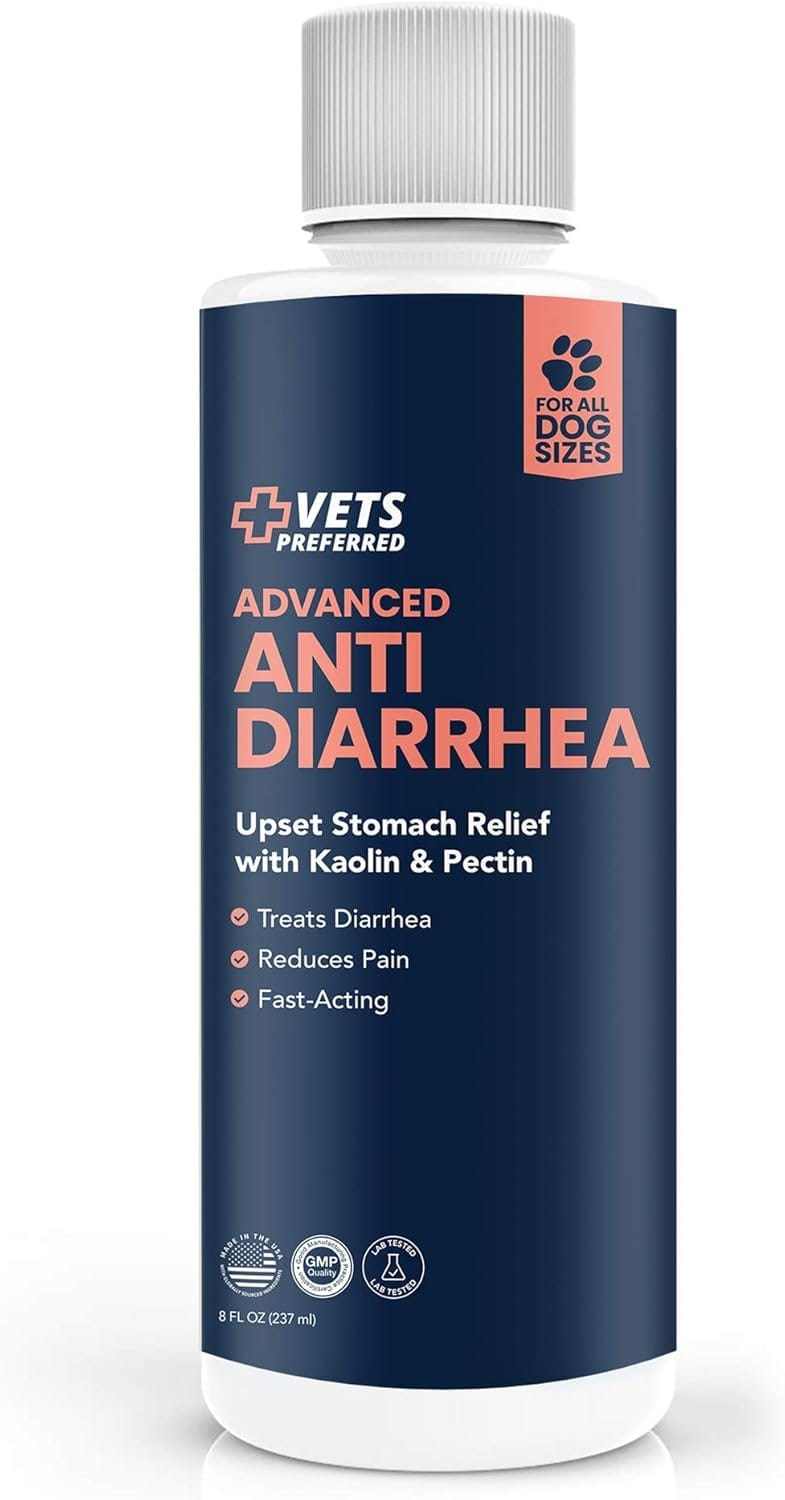
Understanding canine diarrhea can be a concern for many pet owners. While over-the-counter medications like Imodium® are readily available for human use, their application in veterinary medicine requires careful consideration and professional guidance. This article explores the use of Imodium® for dogs, its mechanisms, safety, and alternative treatments for diarrhea. Diarrhea in dogs is a common ailment, and knowing how to address it safely is crucial for your pet’s well-being.
What Is Imodium®?
Imodium®, whose active ingredient is loperamide, is an anti-diarrheal medication primarily used to treat diarrhea in humans. While Imodium® and loperamide are FDA-approved for human consumption, their use in dogs is not officially approved. However, veterinarians may legally prescribe human medications for animals under specific circumstances, a practice known as extra-label or off-label use. Your veterinarian will be the ultimate authority on whether Imodium® is a suitable treatment for your dog.
How Imodium® Works
Imodium® functions by targeting the smooth muscle of a dog’s digestive tract. It works by slowing down the natural forward muscle movements (motility) that propel food through the system. This extended transit time allows for increased reabsorption of water, electrolytes, and nutrients back into the body, thereby firming up stools and reducing the frequency of bowel movements.
When is Diarrhea a Concern in Dogs?
Diarrhea in dogs can be a symptom of various issues, from minor environmental changes to more serious underlying conditions. Common triggers for mild, self-limiting diarrhea include:
- Dietary Indiscretion: Ingesting something unusual or a sudden switch in food can upset a dog’s stomach. Switching your dog’s food too quickly is a frequent cause of digestive upset.
- Stress: Changes in routine, environment, or travel can manifest as diarrhea.
- Environmental Factors: Ingesting non-food items or encountering new substances can lead to temporary digestive issues.
However, diarrhea can also be indicative of more severe problems such as bacterial, viral, or parasitic infections within the intestines. In these cases, Imodium® is generally not recommended. The medication can prevent the expulsion of these harmful agents, potentially prolonging inflammation and worsening the condition. This is why veterinarians are hesitant to recommend at-home use of Imodium® without a proper diagnosis.
The most common veterinary application of Imodium® is to manage diarrhea that arises as a side effect of certain chemotherapy treatments. Before prescribing Imodium®, a veterinarian will meticulously rule out any infectious causes. Veterinary-specific medications are typically the first line of treatment, but if these prove ineffective, Imodium® might be considered.
Imodium® Dosing for Dogs
Your veterinarian will determine the appropriate form and dosage of Imodium® based on your dog’s specific condition and characteristics. Imodium® is available in tablet form (typically 2 mg of loperamide per tablet), which is generally suitable for larger dogs. The liquid form (often 1 mg/5 mL or 0.2 mg/mL) is usually preferred for smaller dogs. Always follow your veterinarian’s exact dosage and frequency instructions.
Is Imodium® Safe for Dogs?
While Imodium® can be used safely in dogs, it is only under strict veterinary supervision and in very specific circumstances. Certain breeds and genetic predispositions require extra caution:
- MDR1 Gene Mutation: Dogs with this mutation, commonly found in Collie breeds, Shetland Sheepdogs, and Australian Shepherds, have difficulty metabolizing certain medications, including loperamide. This can lead to toxic levels of the drug accumulating in their system.
- Underlying Health Conditions: Dogs with conditions such as hypothyroidism, Addison’s disease, certain respiratory issues, or brain injuries are more susceptible to Imodium®’s potential side effects.
Potential side effects of Imodium® in dogs can include:
- Constipation
- Bloating
- Lethargy
More severe side effects, though less common, may involve:
- Impaired intestinal motility
- Inflammation of the intestines
- Pancreatitis
- Vomiting
- Excessive drooling
- Weight loss
- Depression
It is essential to monitor your dog closely for any adverse reactions if they are prescribed Imodium®.
Effective Medications for Canine Diarrhea
Consulting your veterinarian is the most crucial step in treating your dog’s diarrhea. If the diarrhea is mild and your dog is otherwise active, eating, and drinking normally, your vet might suggest home care strategies. However, if diarrhea persists for more than two days, is accompanied by other symptoms, or you suspect a serious underlying cause, immediate veterinary attention is necessary.
Depending on the diagnosed cause, your veterinarian may prescribe various treatments, including:
- Anti-nausea medications
- Dewormers
- Probiotics
- Antibiotics
- Acid blockers
For diarrhea resulting from other conditions, treatments like flea and tick medicine for cats and dogs may be part of a broader health plan if parasites are suspected as an indirect cause of overall poor health. Your veterinarian will tailor a treatment plan specifically for your pet’s needs. Remember, prompt and accurate diagnosis is key to effective treatment and ensuring your dog’s recovery. For more severe or persistent issues, exploring heartworm and flea and tick meds for dogs might be part of a comprehensive parasitic control strategy recommended by your vet. If your dog experiences digestive upset, also inquire about options like over the counter medicine for dogs with diarrhea. Ensuring complete protection, consider heartworm flea and tick protection for dogs. And for specific concerns, ask about the best flea medicine for small dogs.
Featured Image: iStock.com/Nicolas Jooris-Ancion
