
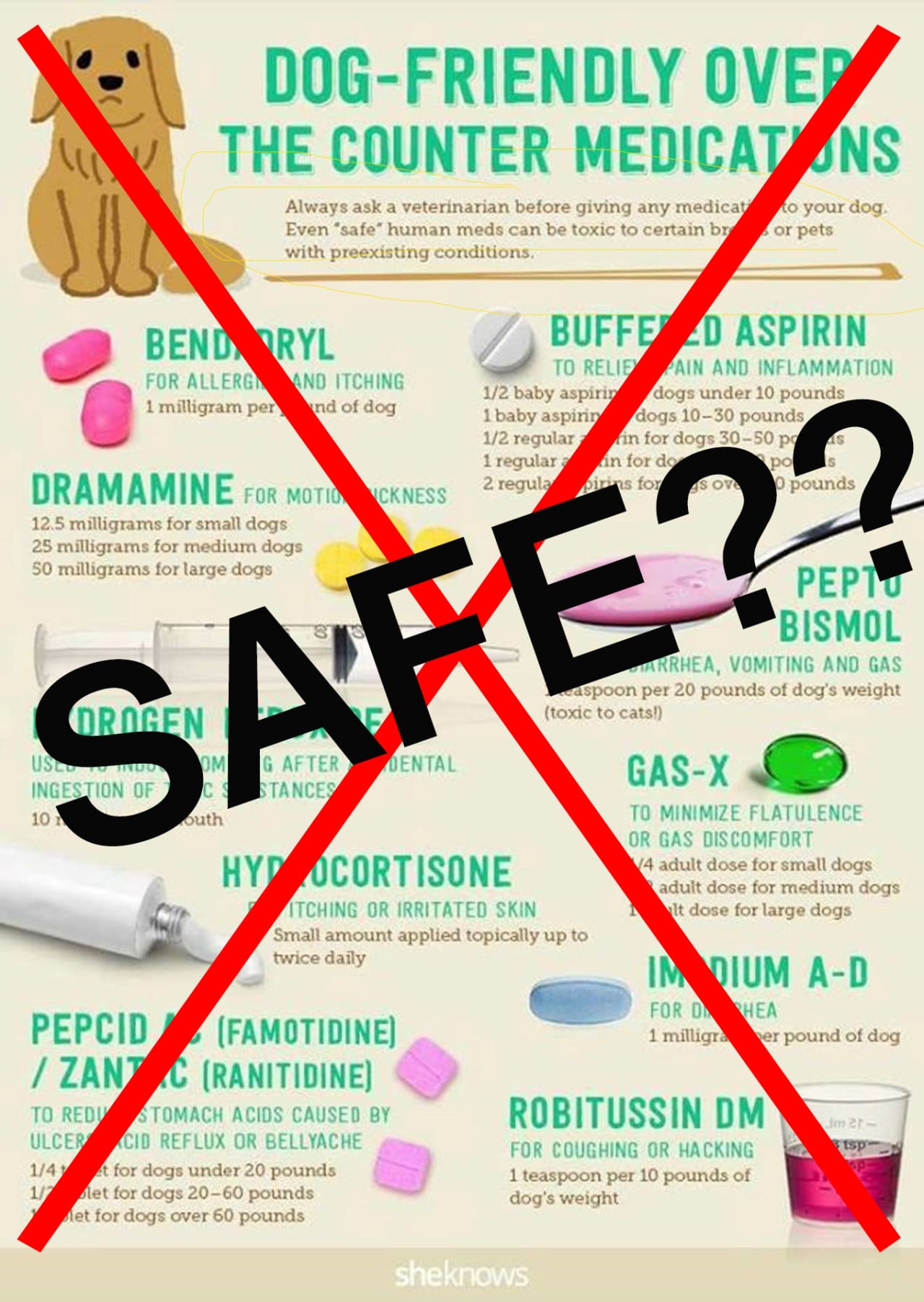
Imodium®, known for its active ingredient loperamide, is a medication primarily used in humans to manage diarrhea. While it’s FDA-approved for human use, its application in veterinary medicine, particularly for dogs, is approached with caution and under strict professional guidance. This article delves into how Imodium® works, its potential uses in dogs, dosage considerations, safety, and alternative treatments for canine diarrhea.
Understanding How Imodium® Works
Imodium® functions by targeting the smooth muscles within the digestive tract. It effectively slows down the natural forward movement of food and waste, a process known as digestive motility. This deceleration allows the intestines more time to absorb water, electrolytes, and essential nutrients from the ingested material, thereby firming up stools and reducing the frequency of bowel movements.
When Might Imodium® Be Considered for Dogs?
Diarrhea in dogs can stem from various causes, ranging from minor dietary indiscretions or environmental changes to more serious infections by bacteria, viruses, or parasites. In cases of mild, self-limiting diarrhea, often caused by quick diet switches or stress, veterinarians typically advise against home administration of Imodium®. This is because Imodium® can hinder the expulsion of harmful agents, potentially leading to intestinal inflammation.
The most recognized veterinary use for Imodium® in dogs is to counteract diarrhea that arises as a side effect of certain chemotherapy treatments. Before considering Imodium®, a veterinarian will meticulously rule out any infectious causes of the diarrhea. While veterinary-specific medications are usually the first line of defense, Imodium® may be prescribed if these treatments prove ineffective. Veterinarians can legally prescribe human medications for animals off-label when deemed necessary for the animal’s well-being.
Dosage and Administration for Dogs
The decision to use Imodium® and the specific form prescribed—whether tablets or liquid—rests with your veterinarian. They will consider your dog’s size, breed, and overall health condition. Imodium® tablets typically contain 2 mg of loperamide and are generally suitable for larger breeds, whereas the liquid form, often concentrated at 1 mg/5 mL (0.2 mg/mL), is usually preferred for smaller dogs. Your veterinarian will provide precise instructions on the correct dosage and frequency of administration.
Safety Considerations and Potential Side Effects
While Imodium® can be used safely in dogs, it is crucial to do so only under veterinary supervision due to potential risks and side effects.
Key Safety Concerns:
- MDR1 Gene Mutation: Dogs with this genetic mutation, common in breeds like Collies, Shetland Sheepdogs, and Australian Shepherds, metabolize certain medications, including loperamide, less effectively. This can lead to toxic levels of the drug in their system.
- Underlying Health Conditions: Caution is advised when administering Imodium® to dogs with pre-existing conditions such as hypothyroidism, Addison’s disease, certain respiratory issues, or brain injuries, as they are more susceptible to adverse reactions.
Common Side Effects:
- Constipation
- Bloating
- Lethargy
Severe Side Effects (require immediate veterinary attention):
- Impaired intestinal motility
- Intestinal inflammation
- Pancreatitis
- Vomiting
- Excessive drooling
- Weight loss
- Depression
What Are the Best Medications for Diarrhea in Dogs?
If your dog is experiencing diarrhea, the first step is always to consult your veterinarian. For mild cases where your dog remains active, is eating and drinking normally, and shows no other concerning symptoms, your vet might suggest supportive at-home care.
When to Seek Veterinary Care:
If your pet’s diarrhea persists for more than two days, if new symptoms develop (such as vomiting, lethargy, or loss of appetite), or if you suspect an underlying medical issue, immediate veterinary attention is crucial. In severe cases, emergency veterinary care may be necessary.
Depending on the diagnosed cause of the diarrhea, your veterinarian may prescribe specific medications. These can include anti-nausea drugs, dewormers for parasitic infections, probiotics to restore gut health, antibiotics for bacterial infections, or acid blockers. Your vet will tailor the treatment plan to your dog’s individual needs.
For ongoing digestive health support, consider exploring options like probiotics for dogs to help maintain a healthy gut flora.
Disclaimer: This article is for informational purposes only and does not constitute veterinary advice. Always consult with a qualified veterinarian regarding any health concerns or before administering any medication to your pet.
