
Bringing a pet into your home is a joyous occasion, marking the start of a deep bond and a shared journey. However, with the boundless love and companionship comes a significant responsibility: ensuring their health and well-being through dedicated Animal Medical Care. Just like humans, pets require regular veterinary attention, from routine check-ups to emergency interventions, to live long, happy, and healthy lives. Understanding the full spectrum of animal medical care available is crucial for every pet parent.
Quality animal medical care encompasses a holistic approach, addressing not only illnesses and injuries but also focusing heavily on preventive measures. Establishing a relationship with a trusted veterinary clinic is the first step towards providing this essential care. These facilities offer a wide range of services designed to keep your furry, feathered, or scaled friends in optimal condition, serving as your primary partner in their health journey. For those seeking comprehensive veterinary services, consider exploring options like the animal medical center that prioritize a pet’s overall well-being.
The Foundation of Lifelong Health: Preventive Animal Medical Care
Proactive prevention is the cornerstone of effective animal medical care. Regular preventive measures can avert many serious health issues, detect problems early, and significantly extend a pet’s lifespan and quality of life.
Routine Wellness Exams
Annual (or semi-annual for older pets) wellness exams are vital. During these visits, veterinarians perform a thorough physical assessment, checking everything from teeth and ears to heart and lungs. These exams are an opportunity to discuss your pet’s diet, behavior, and any concerns you might have. Early detection of conditions like dental disease, arthritis, or heart murmurs can lead to more effective and less invasive treatments.
Vaccinations and Parasite Control
Vaccinations are critical for protecting pets from common and often deadly infectious diseases. A tailored vaccination schedule, discussed with your vet, ensures your pet is safeguarded against threats like rabies, distemper, parvovirus, and feline leukemia. Alongside vaccinations, effective parasite control—including prevention for fleas, ticks, heartworms, and intestinal worms—is essential for both your pet’s health and your family’s safety. A dedicated pet care animal hospital will always emphasize the importance of these preventive measures.
Nutritional Guidance and Weight Management
Proper nutrition plays a fundamental role in your pet’s health. Veterinarians can provide expert advice on appropriate diets based on your pet’s age, breed, activity level, and any specific health conditions. Managing your pet’s weight is equally important, as obesity can lead to a host of problems, including diabetes, joint issues, and heart disease. Your vet can help develop a personalized weight management plan.
Dental Care for Pets
Pet dental health is often overlooked but is crucial for overall well-being. Dental disease can lead to pain, infection, and even impact vital organs if left untreated. Regular dental check-ups, professional cleanings, and at-home dental care (like brushing) are integral components of comprehensive animal medical care.
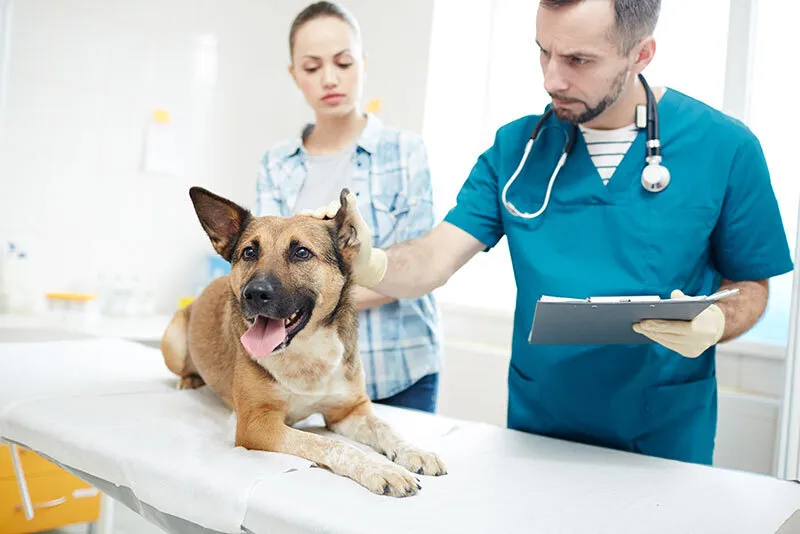
 A veterinarian performing a wellness check on a friendly golden retriever during an animal medical care visit
Addressing Urgent and Specialized Needs in Animal Medical Care
Beyond prevention, sometimes pets require immediate attention or specialized treatments. These scenarios highlight the critical role of responsive and advanced animal medical care services.
Emergency Veterinary Services
Accidents and sudden illnesses can strike without warning. Having access to emergency veterinary care is non-negotiable for pet owners. These services are equipped to handle critical situations, from severe injuries and poisoning to acute illnesses, often operating 24/7 or having urgent walk-in appointments available. Knowing where to go for immediate care can be life-saving.
Advanced Diagnostic Imaging and Laboratory Services
When symptoms are unclear, veterinarians rely on advanced diagnostic tools to pinpoint the problem. This includes X-rays, ultrasounds, and sometimes MRI or CT scans to visualize internal structures. In-house laboratory services provide rapid results for blood tests, urinalysis, and other diagnostic samples, allowing for quick and accurate diagnoses. For instance, diagnosing a limp or unusual swelling might require advanced imaging to determine how to heal a cut pad on dog or detect a deeper issue.
 A team of veterinarians collaborating on a case, demonstrating their expertise in animal medical care
Surgical Procedures and Post-Operative Care
From routine spaying and neutering to complex orthopedic or soft tissue surgeries, many pets will require surgical intervention at some point. Modern veterinary hospitals offer state-of-the-art surgical suites, advanced anesthesia monitoring, and comprehensive post-operative care, including pain management and rehabilitation, to ensure the best possible outcomes. Even specialized needs for unique pets can be addressed by a dedicated bird and animal hospital offering a broad spectrum of medical services.
Pain Management and Rehabilitation
Managing pain, whether acute from an injury or chronic due to conditions like arthritis, is a key component of compassionate animal medical care. Veterinarians employ various strategies, including medication, acupuncture, and physical therapy (rehabilitation), to improve a pet’s comfort and mobility, significantly enhancing their quality of life.
The Gold Standard: Why AAHA Accreditation Matters in Animal Medical Care
When choosing a veterinary provider, look for indicators of quality and commitment. One such benchmark is accreditation by the American Animal Hospital Association (AAHA). AAHA-accredited hospitals voluntarily undergo regular, rigorous evaluations to ensure they meet or exceed the highest standards in veterinary medicine.
These standards cover nearly every aspect of the hospital, including surgical protocols, exam facilities, patient care, cleanliness, client service, emergency services, diagnostic imaging, and anesthesiology. Only about 15% of animal hospitals in the United States and Canada achieve AAHA accreditation, marking them as facilities dedicated to exemplary care. This accreditation signifies a commitment to excellence and provides pet owners with peace of mind, knowing their pets are receiving superior animal medical care.
 The official AAHA (American Animal Hospital Association) accreditation logo, symbolizing quality animal medical care standards
Holistic Pet Wellness: Beyond Clinical Care
While clinical interventions are paramount, comprehensive animal medical care also considers aspects of a pet’s life outside the examination room. This includes behavioral health, socialization, and ensuring a stimulating environment. Facilities that offer services like normans dog day care contribute to a pet’s overall mental and physical well-being by providing opportunities for exercise and social interaction, complementing medical care.
Furthermore, being informed about common pet health issues can empower pet owners. Resources like articles on preparing your pet for routine blood tests, understanding pet allergies, or vaccination schedules for puppies and kittens can provide valuable insights into maintaining your pet’s health between vet visits.
 A small dog looking attentively, representing the importance of routine blood tests as part of animal medical care
Conclusion
Providing top-notch animal medical care is a continuous journey that requires dedication, knowledge, and a strong partnership with your veterinarian. From routine wellness checks and preventive treatments to emergency interventions and specialized surgeries, every aspect plays a crucial role in safeguarding your pet’s health. By choosing a veterinary partner committed to high standards of care, such as an AAHA-accredited facility, you ensure your beloved companion receives the best possible medical attention throughout their life. Investing in their health is an investment in years of cherished companionship and joy.
Remember, proactive care is always more effective and often less stressful than reactive treatment. Stay informed, stay vigilant, and work closely with your veterinary team to ensure your pet enjoys a vibrant and healthy life.
References
- American Animal Hospital Association (AAHA). (n.d.). AAHA Standards of Accreditation. Retrieved from https://www.aaha.org/
- Dog Care Story. (n.d.). Insights on Pet Wellness. Retrieved from https://dogcarestory.com/
