
Embarking on the journey of Animal Assisted Therapy Dog Training is more than just teaching commands; it’s about nurturing a unique partnership that brings comfort, joy, and healing to others. This profound bond between a human and a dog has the power to brighten a hospital room, calm a nervous student, or bring a moment of peace to a senior in a nursing home. But how does a well-behaved pet transform into a certified therapy animal? It’s a path of dedication, specialized training, and, most importantly, the right temperament.
The process of training a dog for animal-assisted therapy is a structured one, designed to ensure both the dog and the handler are fully prepared for the diverse environments they will encounter. Major organizations like Pet Partners and Therapy Dogs International have established clear pathways to certification. These typically begin with mastering fundamental skills. Before a dog can provide comfort, it must first be a model citizen. This is why many programs consider the American Kennel Club’s (AKC) Canine Good Citizen (CGC) certification a crucial starting point. The CGC test evaluates a dog’s ability to handle everyday situations with grace, including accepting a friendly stranger, sitting politely for petting, and walking calmly through a crowd. Exploring whether can my dog become a therapy dog begins with assessing this foundational temperament and trainability. This initial phase ensures that the dog is not just obedient, but also confident and at ease in a variety of public settings.
Understanding the Role: What Makes a Therapy Dog?
It is essential to distinguish a therapy dog from other types of assistance animals. Unlike a service dog, which is trained to perform specific tasks for a person with a disability and has broad public access rights, a therapy dog is a volunteer. Their role is to provide comfort and affection in clinical, educational, or recreational settings under the guidance of their handler. They do not share the same legal access to all public spaces. Similarly, they differ from emotional support animals, whose primary function is to provide companionship to their owner. Understanding these distinctions is critical, and it highlights the specialized nature of therapy work, which focuses on benefiting a community rather than a single individual. This is a key difference from learning how to train an emotional support dog for anxiety, as the goals and public interaction levels are vastly different.
The Heart of a Therapy Dog: Temperament is Everything
Before a single command is taught, the most critical component of a future therapy dog is its innate temperament. No amount of training can create a personality that genuinely enjoys human interaction and remains calm under pressure. The ideal candidate is naturally gentle, patient, and confident. They should actively seek out and enjoy being petted, sometimes clumsily, by unfamiliar people in strange environments.
According to Dr. Alistair Finch, a specialist in canine behavior, “While obedience is trained, the core personality of a therapy dog is something they are largely born with. We look for that dog who is unflappable, who sees a dropped bedpan or a sudden loud noise not as a threat, but as a minor curiosity. They must possess an inherent stability and a deep-seated love for people.”
Key personality traits include:
- A calm and gentle disposition: The dog should be naturally relaxed and not easily startled.
- Friendliness towards strangers: An eagerness to meet new people of all ages and appearances is crucial.
- Patience and tolerance: They must handle clumsy petting, unexpected noises, and unusual equipment without fear or aggression.
- Confidence in new environments: A therapy dog must be comfortable walking into a busy school or a quiet hospital room.
- A strong handler bond: The dog should look to its handler for cues and reassurance.
The Path of Animal Assisted Therapy Dog Training
Once you’ve determined your dog has the right temperament, the structured training process begins. This journey hones their natural abilities and prepares them for the specific challenges of therapy work. It’s a collaborative effort that strengthens the bond between you and your canine partner.
Step 1: Mastering Foundational Obedience and Socialization
This is the bedrock of all training. Your dog must be reliable and under your control at all times, even without the lure of treats. Beyond basic commands like sit, stay, and come, the training focuses on real-world application. The Canine Good Citizen (CGC) program is an excellent framework for this stage, as it tests the dog’s manners in simulated everyday situations. This includes polite greetings without jumping, walking on a loose leash through a crowd, and staying calm around other dogs. Socialization is equally important; your dog must be exposed to a wide array of sights, sounds, and people to build unshakable confidence.
Step 2: Advanced Skills for Therapeutic Environments
With a solid foundation, the next phase involves targeted training for the specific scenarios you’ll encounter. This goes beyond standard obedience. Your dog will need to learn to be comfortable around medical equipment like wheelchairs and walkers, to ignore distractions like dropped items or alarms, and to respond to subtle cues from you in a quiet setting. Commands like “leave it,” “watch me,” and settling calmly for extended periods become vital. Many handlers find that looking for therapy dog training classes near me provides the expert guidance needed to master these advanced skills in a controlled, supportive environment. These classes often simulate real-world visits, preparing the team for almost any eventuality.
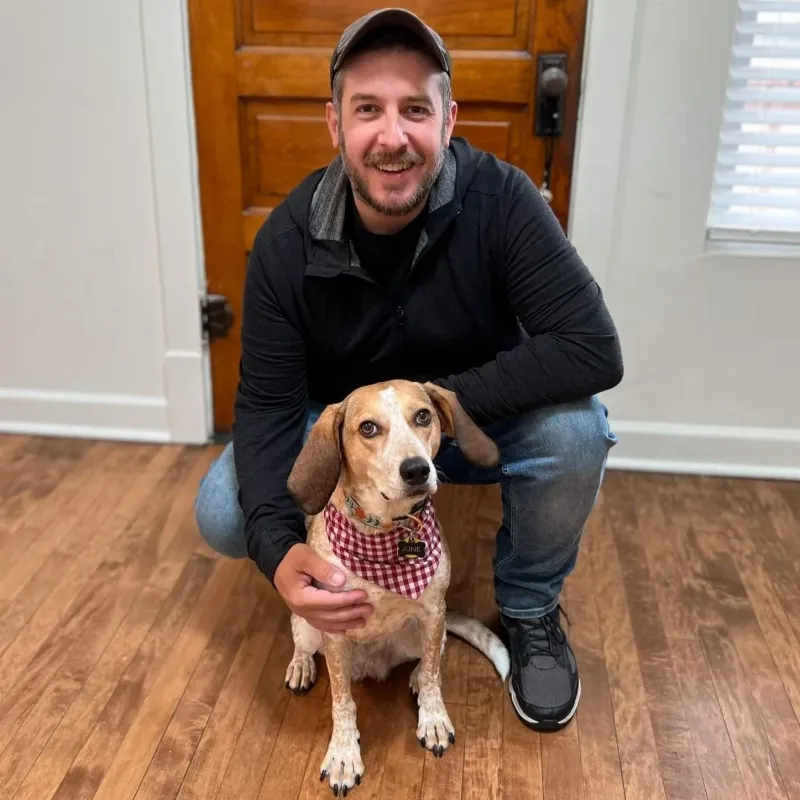 A focused handler and their dog, a Labradoodle, practicing advanced skills in an animal assisted therapy dog training class with simulated medical equipment.
Step 3: The Certification Process
After completing training, the final step is to register with a recognized therapy dog organization. Each group, such as Pet Partners, the Alliance of Therapy Dogs, or Therapy Dogs International, has its own evaluation process. An evaluator will test you and your dog as a team. This final exam assesses not only the dog’s obedience and temperament but also the handler’s ability to guide and support their animal. The test will include scenarios like navigating a crowded room, interacting with a person who is acting erratically, and demonstrating a calm demeanor amidst loud, sudden noises. Passing this evaluation is the culmination of your hard work and the official start of your volunteer journey. Some programs, like those offering therapy dog training ct, provide comprehensive preparation specifically for these certification tests.
Frequently Asked Questions (FAQ)
How long does animal assisted therapy dog training take?
The timeline can vary greatly depending on the dog’s age, temperament, and previous training. Starting from basic obedience, the entire process, including advanced skills and certification, can take anywhere from six months to over a year of consistent effort.
What are the best breeds for therapy dog work?
While breeds like Golden Retrievers, Labradors, and Poodles are common due to their generally gentle nature, any dog of any breed or mix can be an excellent therapy dog. The most important factor is the individual dog’s temperament, not its pedigree.
Can I train my own therapy dog?
Absolutely. Many handlers train their own dogs, often with the guidance of professional trainers through group classes or private lessons. The key is dedication and a thorough understanding of the requirements set by certification organizations.
What is the difference between a therapy dog and a service dog?
A service dog is trained to perform specific tasks to help an individual with a disability and has legal public access rights. A therapy dog is trained to provide comfort and affection to many people in various facilities and does not have the same legal access. There is also specific training for certain needs, such as va service dog training for veterans.
What are the health requirements for a therapy dog?
Therapy dogs must be in excellent health. This includes being up-to-date on all vaccinations, free of parasites, and well-groomed. A veterinarian’s approval is always required, and some organizations do not permit dogs on raw food diets due to health concerns.
Your Journey Begins Now
The path of animal assisted therapy dog training is a rewarding one, filled with moments of profound connection and shared purpose. It requires patience, consistency, and a deep understanding of your canine partner. By focusing on a foundation of good manners, developing advanced skills, and working as a cohesive team, you and your dog can prepare to offer a unique and powerful form of comfort. The smiles, the moments of calm, and the unspoken gratitude you receive will be a testament to your incredible journey together.
