
Have you ever wondered what your horse is truly thinking? For centuries, horsemanship was a craft passed down through tradition, a mix of intuition, folklore, and hard-earned experience. While effective, it often left riders guessing why certain techniques worked. The revolutionary Andrew Mclean Horse Training Method changed that paradigm forever by asking a simple yet profound question: What does science tell us about how horses learn? This approach strips away the ambiguity, replacing guesswork with a clear, ethical, and highly effective framework based on proven learning theory. It’s about creating a conversation with your horse where both parties understand the language being spoken.
Understanding this scientifically-grounded approach is crucial for any modern equestrian. For a deeper dive into his background, you can learn more about the accomplished dr andrew mclean horse trainer and his impact on the industry. This method is not just a set of exercises; it’s a complete shift in perspective that prioritizes the horse’s welfare and cognitive abilities, leading to a more willing and less confused partner.
Who is Dr. Andrew McLean?
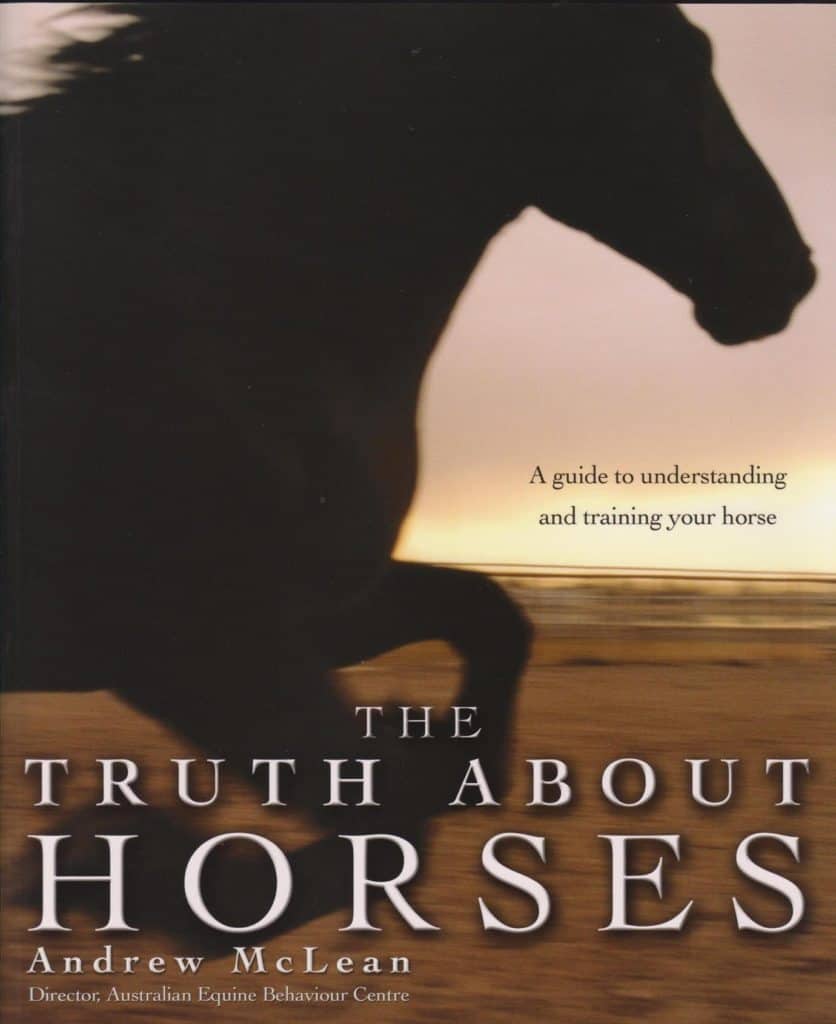
Dr. Andrew McLean is not your typical horse trainer. He is a unique combination of a top-level competitive rider and a respected scientist. With a PhD in equine cognition and learning, he has dedicated his life to bridging the gap between traditional horsemanship and the academic field of ethology (the study of animal behavior). He co-founded the Australian Equine Behaviour Centre and is a key figure in the global development of Equitation Science. His work moves beyond simply training a horse to perform a task; it delves into the mental processes of the horse to create a training system that is logical, consistent, and, most importantly, fair to the animal.
What is the Core of the Andrew McLean Horse Training Method?
At its heart, the Andrew McLean horse training method, often referred to as “Academic Equitation,” is the application of learning theory to horse training. Learning theory is the scientific study of how animals acquire new behaviors. Instead of relying on anthropomorphic interpretations like a horse being “naughty” or “disrespectful,” McLean’s approach analyzes behavior as a direct response to the training signals it receives. The entire system is built on the principle of making it as easy as possible for the horse to understand what is being asked of it.
This clarity is achieved through a set of foundational principles that govern every interaction. The goal is to create a horse that is calm, responsive, and confident because it understands the “rules of the game.” It’s about shaping behavior through clear, consistent cues and predictable reinforcement, primarily through the precise application and release of pressure.
The Foundation: Understanding Equine Learning
Horses primarily learn through a process called operant conditioning, specifically negative reinforcement. This term is often misunderstood and sounds, well, negative. But in scientific terms, it simply means reinforcing a desired behavior by removing an unpleasant stimulus.
“Think of it this way,” explains Dr. Eleanor Vance, an equine behavioral scientist. “When you apply pressure with your leg, the horse moves away from it. The instant the horse responds correctly, you remove the pressure. The release of pressure is the reward. It’s the ‘thank you’ that tells the horse, ‘Yes, that’s what I wanted.’ A well-timed release is the most powerful tool a trainer has.”
This pressure-release system is the cornerstone of the McLean method. A light, clear cue is applied, and the moment the horse begins to offer the correct response, the pressure is released. This teaches the horse to yield willingly to pressure, whether from a leg, rein, or halter, rather than resisting it out of fear or confusion.
The First Principles of Horse Training
Dr. McLean has distilled equine learning theory into a clear set of “First Principles” that serve as a guide for trainers. These principles ensure that all training is conducted in a way the horse can comprehend.
- Use Clear and Simple Cues: Each desired response should have its own unique signal. For example, the cue to “go forward” should be distinct from the cue to “move sideways.”
- Elicit One Response at a Time: Avoid giving conflicting signals, like asking the horse to go forward and turn at the exact same moment, especially during initial training.
- Train Each Response Separately: Teach basic commands like “stop,” “go,” “turn,” and “yield” individually before combining them into more complex movements.
- Shape the Responses: Build complex behaviors by rewarding small, successive approximations of the final goal. You don’t ask for a perfect canter pirouette on day one; you start by teaching a simple turn on the forehand.
- Use a Predictable Cue Sequence: Always present your cues in the same order, typically from lightest to strongest, to give the horse a chance to respond to the most subtle signal first.
- Train Persistence of a Response: Once a behavior is learned, it should be maintained until a new cue is given. The horse should continue walking at the same pace until you ask it to stop or change gait. Knowing how to train horse effectively depends heavily on this consistency.
- Release Pressure at the Onset of the Response: The timing of the release is critical. It must be immediate to clearly mark the correct behavior for the horse.
- Aim for Relaxation: Training should reduce, not increase, fear and anxiety. A calm horse is in the best mental state to learn.
How the McLean Method Improves Horse Welfare
The Andrew McLean horse training method is fundamentally about ethical and sustainable training. By eliminating confusion, it significantly reduces stress and anxiety in the horse. A horse that understands the questions being asked is less likely to exhibit unwanted behaviors like bucking, rearing, or bolting, which are often symptoms of fear or a lack of understanding.
This science-based approach ensures that the horse’s mental needs are considered alongside its physical ones. It acknowledges that horses have a limited cognitive ability to process complex information and that it is our responsibility as trainers to communicate in a way they can grasp. This is a stark contrast to methods that might label a confused horse as “dominant” or “stubborn,” which can lead to unfair and escalating punishment. Ultimately, the method fosters a stronger, more trusting partnership between horse and human.
The principles taught by Dr. McLean are not limited to one discipline; they are universal. They apply whether you are teaching a foal to lead or training a Grand Prix dressage horse. The focus on clear communication is universal, much like the foundational skills required by any successful mage horse trainer who must first master the basics before achieving greatness. By prioritizing the horse’s perspective, this method creates a more reliable, safe, and happy athlete.
Frequently Asked Questions (FAQ)
What is Equitation Science?
Equitation Science is the scientific study of the welfare of horses during training and management. It applies principles of psychology, ethology (animal behavior), and biomechanics to improve human-horse interactions and promote a more ethical approach to horsemanship. The Andrew McLean horse training method is a practical application of Equitation Science.
Is negative reinforcement the same as punishment?
No, they are very different. Negative reinforcement is the removal of a stimulus (like pressure) to increase the likelihood of a desired behavior. Punishment is the application of an unpleasant stimulus to decrease the likelihood of an unwanted behavior. McLean’s method focuses on reinforcement, not punishment.
Can this method be used for a spooky or nervous horse?
Absolutely. In fact, it is one of the most effective methods for nervous horses. Its predictability and clarity help build the horse’s confidence. By teaching a horse to yield to pressure calmly and to respond to “stop” and “go” cues reliably, the rider has a much better toolkit for managing spooky situations.
Is the McLean method suitable for beginners?
Yes, it is excellent for beginners. The clear, step-by-step principles provide a logical framework that is easy to follow and helps new riders and handlers develop good habits from the start. It removes the confusing “feel” and replaces it with objective, understandable steps. Learning about the work of an expert like an andrew mclean horse trainer can provide a solid foundation.
Does this method ignore the bond between horse and rider?
Quite the opposite. By fostering clear communication and reducing conflict, the method builds a deep sense of trust and partnership. When a horse understands its rider and feels safe, the bond becomes stronger and more genuine, based on mutual understanding rather than submission.
Conclusion: A New Era of Horsemanship
The Andrew McLean horse training method represents a pivotal shift in the equestrian world. By grounding our training in the science of how horses learn, we move away from myth and into an era of clarity, compassion, and consistency. This approach doesn’t just produce well-behaved horses; it cultivates willing partners who are confident, calm, and clearly understand their roles. It challenges us to be better communicators and more empathetic handlers. By embracing these principles, we not only improve our horses’ performance and well-being but also deepen the incredible bond we share with these magnificent animals.
