
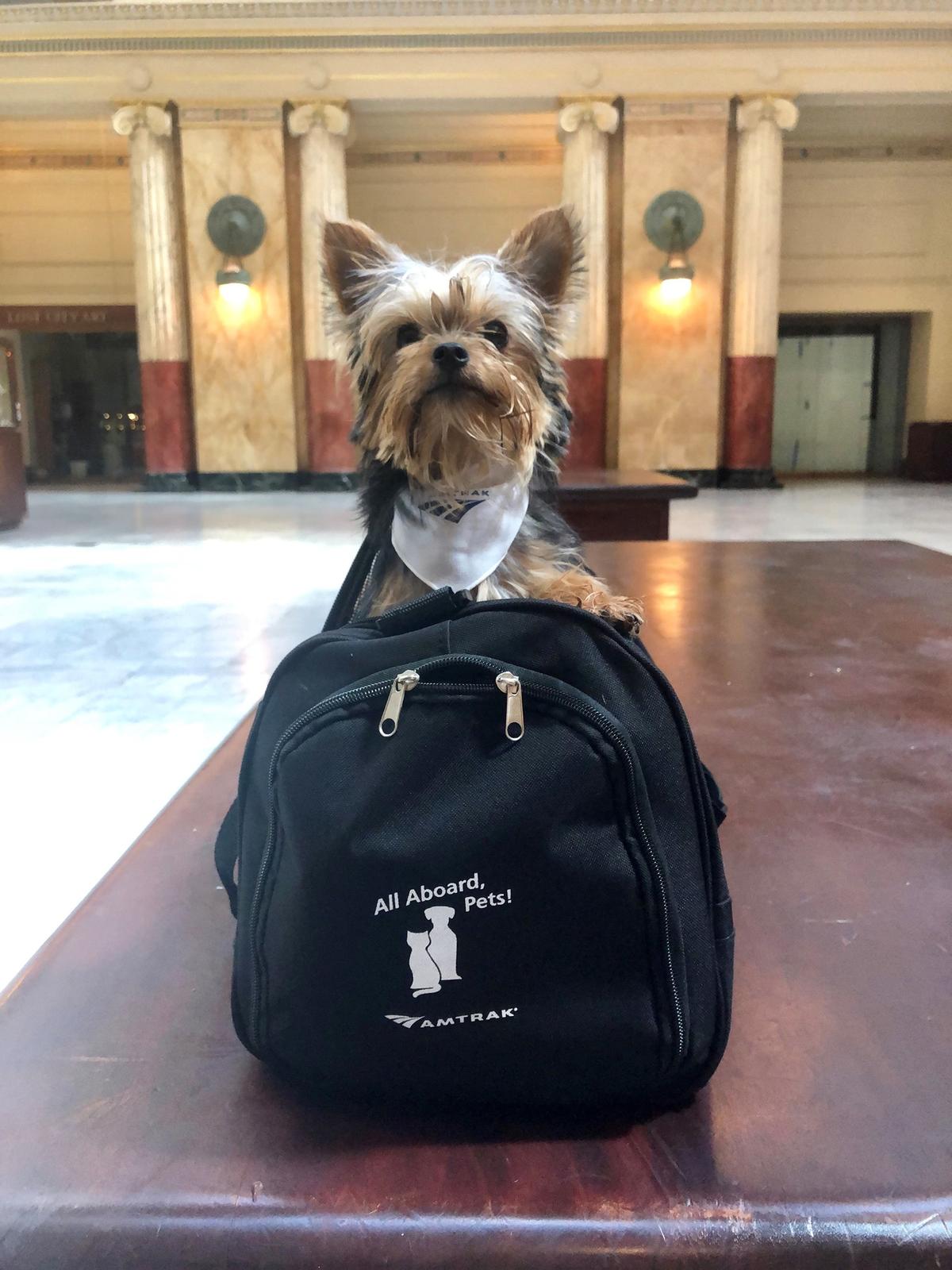
Traveling with your furry best friend can be an incredibly rewarding experience, opening up new adventures and allowing you to share more of your life with your beloved pet. When considering train travel, Amtrak often comes to mind as a pet-friendly option. But what exactly are the rules and best practices for bringing your dog on an Amtrak train? This comprehensive guide delves into everything you need to know to ensure a smooth, enjoyable, and safe journey for both you and your canine companion. We’ll cover Amtrak’s pet policy, essential preparation tips, what to expect during your trip, and how to make the experience as comfortable as possible for your dog.
Understanding Amtrak’s Pet Policy
Amtrak’s commitment to accommodating passengers with pets has made train travel a viable option for many dog owners. However, it’s crucial to understand the specifics of their policy to avoid any surprises. Primarily, Amtrak allows small dogs in carriers that can fit comfortably on your lap or under the seat in front of you. Larger dogs are generally not permitted, adhering to space and safety considerations.
The policy outlines several key requirements:
- Size and Weight Restrictions: Your dog must be able to fit comfortably within a carrier. While Amtrak doesn’t specify an exact weight limit, the carrier itself must be no larger than 17″ wide x 11″ deep x 7.5″ high. This means small breeds are typically the only ones suitable for this type of travel.
- Carrier Requirements: The carrier must be leak-proof and well-ventilated. It needs to be able to slide completely under the seat in front of you, ensuring it doesn’t obstruct aisles or other passengers’ space.
- Behavioral Expectations: Your dog must remain inside the carrier at all times during the journey. They should be well-behaved, not disruptive, and not pose a risk to other passengers or crew. Amtrak reserves the right to refuse passage to any pet deemed unruly or a safety concern.
- Fees and Documentation: There is a non-refundable fee for bringing your dog on board. Additionally, you may need to provide proof of vaccinations and a health certificate from your veterinarian. It’s always best to check Amtrak’s official website for the most current fee structure and required documentation.
- Service Animals vs. Pets: It’s important to distinguish between pets and trained service animals. Amtrak has a separate, more accommodating policy for service animals, which are defined as dogs individually trained to do work or perform tasks for people with disabilities. Emotional support animals are not covered under the service animal policy and must follow the pet guidelines.
Preparing Your Dog for Train Travel
A little preparation goes a long way in making your dog’s first train journey a positive one. Think of it as preparing for any significant change in routine – the more you can ease the transition, the better.
Choosing the Right Carrier
The carrier is your dog’s safe space on the train, so selecting the right one is paramount. Opt for a carrier that is:
- Comfortable and Spacious Enough: Even though it needs to fit under the seat, ensure your dog can stand up, turn around, and lie down comfortably.
- Well-Ventilated: Ample airflow is crucial for your dog’s comfort and safety, especially in a confined space.
- Secure: All zippers and latches should be sturdy and reliable to prevent any accidental escapes.
- Leak-Proof: Accidents can happen, so a leak-proof bottom is essential to maintain cleanliness.
Familiarize your dog with the carrier well in advance of your trip. Leave it out in your home, place treats and toys inside, and encourage your dog to enter and rest in it. This positive association will help reduce anxiety when it’s time for the actual journey.
Health and Vaccinations
Before embarking on your trip, a visit to your veterinarian is highly recommended. Ensure your dog is up-to-date on all necessary vaccinations. Your vet can also advise on any travel-specific health concerns or recommend calming aids if your dog experiences travel anxiety. Carrying a copy of your dog’s vaccination records is a good precautionary measure.
Packing Essentials for Your Dog
Just like you pack for yourself, your dog will need a travel kit. Include:
- Food and Water: Pack enough of your dog’s regular food for the entire trip, plus a little extra. Bring a portable water bowl and plenty of fresh water.
- Leash and Collar/Harness: Ensure your dog has a properly fitted collar or harness with an ID tag that includes your contact information. A sturdy leash is essential for any necessary potty breaks.
- Medications: If your dog is on any medication, pack an ample supply.
- Comfort Items: Familiar toys, a favorite blanket, or a chew toy can provide comfort and help your dog relax.
- Waste Bags: Essential for cleaning up after your dog during stops.
- Wipes: For quick clean-ups inside the carrier.
During the Journey: Tips for a Smooth Ride
Once you’re on board, maintaining a calm and controlled environment for your dog is key.
Potty Breaks and Exercise
Amtrak trains make scheduled stops, and these are your opportunities for potty breaks. Always keep your dog on a leash and ensure they relieve themselves away from the station platforms. Given the limited space and the fact that dogs must remain in their carriers, significant exercise is not possible onboard. Plan for longer breaks at major stations if your trip is extensive.
Keeping Your Dog Comfortable and Calm
- Offer Water: Regularly offer small amounts of water, especially on longer journeys.
- Avoid Feeding Large Meals: A light meal before boarding is usually sufficient. Large meals can increase the likelihood of car sickness or an upset stomach.
- Maintain a Calm Demeanor: Dogs are sensitive to their owner’s emotions. Your calm presence can significantly help your dog feel secure and relaxed.
- Minimize Disturbance: Keep your dog’s carrier under the seat as much as possible. Avoid letting them out except for necessary potty breaks. This respects other passengers and adheres to Amtrak’s policy.
Interacting with Other Passengers
While many fellow passengers may be delighted to see your dog, it’s essential to be considerate. Always ask permission before allowing your dog to interact with anyone, even if they seem friendly. Keep your dog from barking excessively or bothering those around you. Remember, not everyone is comfortable with dogs, and it’s important to respect their space.
Troubleshooting Common Issues
Even with the best preparation, you might encounter a few challenges.
- Anxiety and Barking: If your dog becomes anxious or starts barking excessively, try to soothe them with a calm voice and gentle petting through the carrier. A favorite chew toy can also be a great distraction. If anxiety is a persistent issue, discuss anti-anxiety solutions with your vet.
- Motion Sickness: Some dogs are prone to motion sickness. Ensure your dog hasn’t eaten a large meal before boarding and keep the carrier well-ventilated. Your vet might suggest medication if this is a common problem.
- Accidents in the Carrier: Be prepared with cleaning supplies. Promptly and discreetly clean up any accidents using pet-safe wipes.
The Benefits of Traveling with Your Dog by Train
Despite the planning involved, traveling with your dog on Amtrak offers unique advantages:
- Shared Experiences: You get to create new memories with your dog by your side, experiencing new places together.
- Reduced Stress for Some Dogs: For dogs that find car travel particularly stressful, the steady motion and predictable environment of a train can be more manageable.
- Accessibility: Train travel can be more accessible than flying for both owners and pets, often involving less complex logistics and fewer breed restrictions compared to airlines.
Frequently Asked Questions About Dogs on Amtrak Trains
Q1: Can I bring my large dog on Amtrak?
A1: Amtrak’s pet policy generally restricts travel to small dogs that can fit comfortably in a carrier under the seat. Large dogs are typically not permitted.
Q2: Do I need to book a special ticket for my dog?
A2: You do not need to book a separate ticket for your dog, but there is a dedicated pet fee that must be paid.
Q3: What if my dog barks a lot?
A3: It’s important to manage your dog’s barking. If it becomes a persistent issue, try to soothe your dog or consult with your veterinarian about solutions for travel anxiety or excessive vocalization.
Q4: Can my dog travel in coach or in a sleeper car?
A4: Amtrak’s pet policy applies to all seating accommodations, including coach and sleeper cars, provided the pet meets the size and carrier requirements.
Q5: Are there specific routes where pets are not allowed?
A5: Amtrak’s pet policy generally applies across its network, but it’s always advisable to check specific route details or contact Amtrak customer service if you have concerns about a particular journey.
Conclusion: Embrace the Adventure with Your Canine Companion
Traveling with your dog on Amtrak is an achievable and often delightful way to explore new destinations. By understanding and adhering to Amtrak’s pet policy, preparing thoroughly, and prioritizing your dog’s comfort and safety, you can ensure a positive and memorable journey. Remember that responsible pet ownership extends to considerate travel, respecting fellow passengers and the train environment. So, pack your bags, grab your dog’s carrier, and get ready to embark on your next adventure together, making your own “Dog Care Story” one paw print at a time.
