
The American Kennel Club (AKC) is a name synonymous with purebred dogs, but their commitment extends far beyond breed standards. One of their most valuable contributions to the dog-loving community is their comprehensive approach to AKC dog training. Whether you’re a seasoned owner or welcoming your first furry family member, understanding AKC-aligned training methods can revolutionize your relationship with your dog, fostering better communication, stronger bonds, and a well-behaved companion. This isn’t just about obedience; it’s about building a partnership based on trust and mutual understanding.
Understanding the AKC’s Philosophy on Dog Training
At its core, the AKC advocates for positive reinforcement training methods. This means rewarding desired behaviors rather than punishing unwanted ones. The philosophy is rooted in building a dog’s confidence and willingness to learn through encouragement and clear communication. They emphasize that training should be a fun and engaging experience for both the dog and the owner. This approach not only leads to a more obedient dog but also a happier, more well-adjusted one, strengthening the human-animal bond significantly. The AKC believes that consistent, positive interactions during training sessions create a foundation of trust that benefits the dog throughout its life.
Key Principles of AKC Dog Training
The AKC’s training philosophy is built upon several key principles that guide owners in effectively communicating with and shaping their dog’s behavior.
Positive Reinforcement
This is the cornerstone of AKC training. It involves rewarding your dog immediately after they perform a desired behavior. Rewards can include treats, praise, petting, or a favorite toy. The goal is to make the dog associate good behavior with positive outcomes, thus increasing the likelihood of that behavior being repeated. For instance, when your dog sits on command, immediately offer a treat and verbal praise. This immediate positive feedback is crucial for the dog to understand what action earned the reward.
Consistency is Crucial
Dogs thrive on routine and predictability. Using the same commands, hand signals, and reward systems consistently helps your dog learn faster and avoid confusion. If “sit” means one thing one day and another the next, your dog will struggle to understand. Ensure all members of the household are on the same page with commands and expectations. This unified approach is vital for effective AKC dog training.
Clear and Concise Communication
Dogs don’t understand human language in the same way we do. Therefore, commands should be short, clear, and distinct. Using a single word for each action (e.g., “sit,” “stay,” “come”) is more effective than long sentences. Hand signals can also be a powerful tool, especially for dogs who may be experiencing hearing loss or are in noisy environments. Clarity prevents misinterpretation and builds confidence in your dog’s ability to follow directions.
Short, Engaging Training Sessions
Attention spans, especially for puppies, can be short. Keeping training sessions brief (5-10 minutes) and fun will prevent your dog from becoming bored or frustrated. Multiple short sessions throughout the day are often more effective than one long, arduous session. Ending each session on a positive note, perhaps with a successful command and a reward, reinforces the idea that training is enjoyable.
Popular AKC-Approved Training Programs and Titles
The AKC offers a variety of programs and opportunities for dog owners to engage in training and demonstrate their dog’s capabilities.
AKC S.T.A.R. Puppy Program
This program is designed for puppies up to one year old and focuses on socialization and basic obedience. It’s an excellent starting point for new puppy owners, providing them with the tools and knowledge to raise a well-mannered dog. The program culminates in a certificate and a medal for the puppy upon graduation, acknowledging their early successes. It emphasizes socialization with other puppies and people, which is critical during this developmental stage.
AKC Canine Good Citizen (CGC) Program
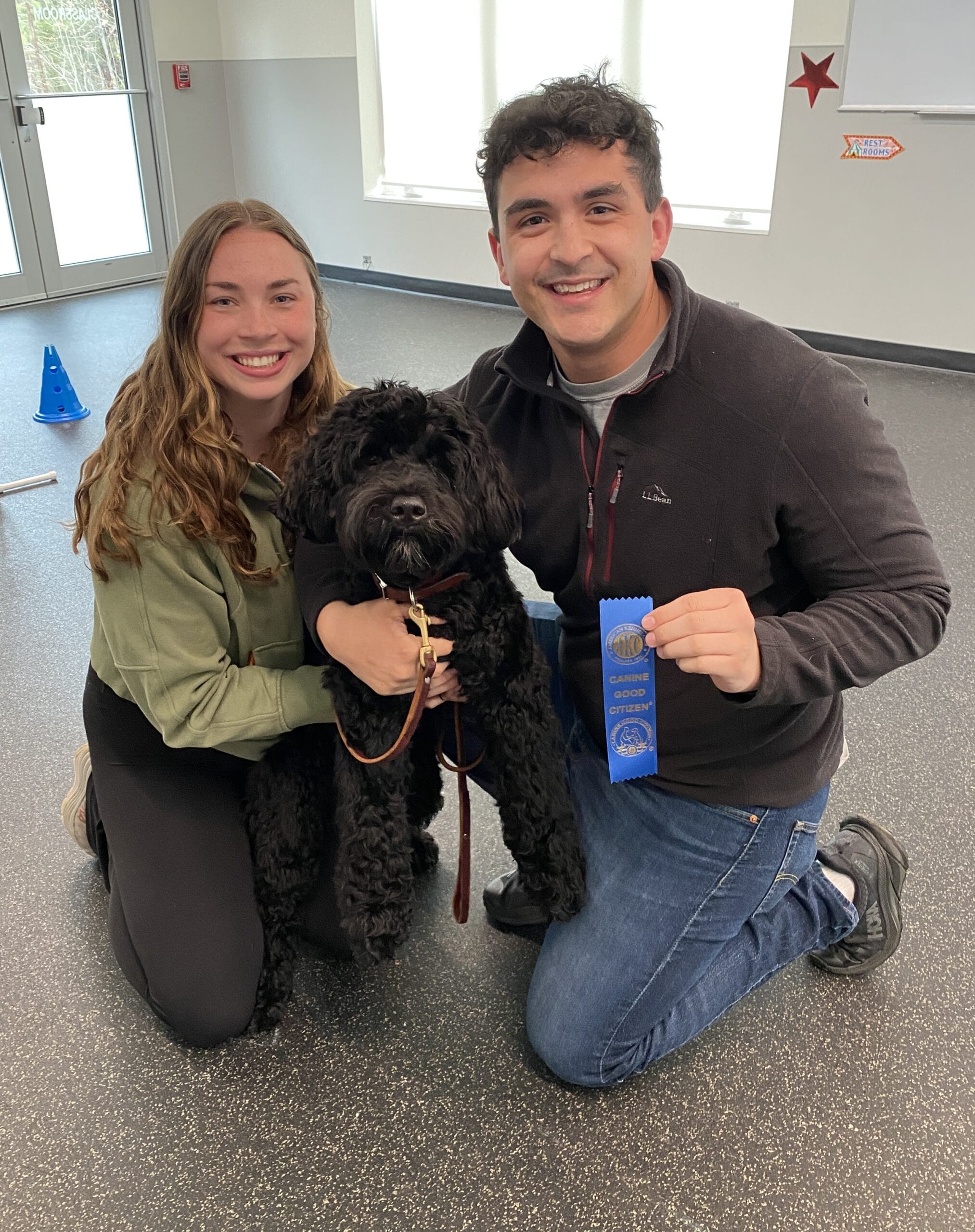
The CGC program is a 10-step test that evaluates a dog’s ability to behave appropriately in various public settings. It assesses skills like walking on a leash, sitting politely for petting, and responding to distractions. Earning a CGC certification is a significant achievement that signifies your dog is a well-behaved ambassador for responsible dog ownership. Many communities even accept the CGC as proof of basic training, and it can be a prerequisite for therapy dog visits.
AKC Advanced CGC Titles (CGCA and CGCU)
Building upon the foundation of the CGC, the AKC offers the Canine Good Citizen Advanced (CGCA) and Canine Good Citizen Urban (CGCU) titles. CGCA involves more challenging tasks in a public setting, while CGCU tests the dog’s ability to navigate urban environments. These advanced programs demonstrate a higher level of training and adaptability for dogs.
AKC Trick Dog Titles
For owners who enjoy teaching their dogs fun and engaging tricks, the AKC offers a series of Trick Dog titles (T1, T2, T3, Novice, Intermediate, Advanced, and Expert). These titles encourage creativity and further strengthen the bond between dog and owner through playful learning. It’s a fantastic way to keep your dog mentally stimulated and showcase their intelligence and willingness to learn new things.
AKC Obedience and Rally
These competitive events test a dog’s ability to perform specific exercises and follow commands precisely. Obedience trials are more traditional, while Rally offers a more relaxed, team-oriented approach where the handler and dog navigate a course of signs, each indicating a different exercise. Both provide excellent opportunities for advanced training and bonding. If you are looking for structured training, consider resources for free online dog training which can supplement formal classes.
Integrating AKC Training into Daily Life
The principles of AKC dog training aren’t just for formal sessions; they can and should be integrated into your everyday life with your dog.
Incorporating Training into Daily Routines
Use everyday activities as training opportunities. Ask your dog to “sit” before getting their food bowl, “stay” while you open the door, or “come” when you call them to join you on the couch. These small reinforcements keep their training sharp and reinforce your leadership. For example, asking for a “sit” before every meal is a simple yet effective way to practice obedience consistently.
Socialization: A Critical Component
Proper socialization, especially during puppyhood, is paramount. Exposing your dog to a variety of sights, sounds, people, and other well-behaved animals in a positive and controlled manner helps them grow into confident, well-adjusted adults. The AKC strongly emphasizes early and ongoing socialization as a critical part of their training philosophy. This helps prevent fear-based aggression and anxiety later in life.
Handling Exercises
Getting your dog accustomed to being handled is essential for grooming, veterinary visits, and general well-being. Gently touch their paws, ears, and mouth regularly, associating these touches with positive reinforcement. This proactive approach can make vet visits much less stressful for both you and your dog. This is also a key component tested in the CGC program.
Addressing Common Behavioral Challenges
While the AKC focuses on positive methods, they also provide resources for addressing common behavioral issues like jumping, excessive barking, or chewing. These resources often guide owners on how to redirect unwanted behaviors and teach alternative, acceptable ones, always through positive means. For specialized guidance, services like dog training Morristown NJ or dog training Elkton MD can offer in-person support.
Finding Resources for AKC Dog Training
The AKC website is an invaluable resource for dog owners seeking information on training, health, and breed-specific care.
AKC Website and Online Resources
The AKC offers a wealth of articles, videos, and guides on training techniques, puppy development, and behavior. They also provide a locator tool to find AKC-affiliated training clubs and events in your area. Their online resources are a fantastic starting point for anyone looking to deepen their understanding of AKC dog training. You can find extensive information on everything from basic obedience to advanced canine sports.
AKC-Certified Trainers and Clubs
The AKC endorses various training professionals and clubs that adhere to their training philosophy. Searching for an AKC-certified trainer or joining an AKC-affiliated club can provide you with expert guidance and a supportive community of fellow dog enthusiasts. These professionals are committed to upholding the AKC’s standards for humane and effective training. For those in specific regions, looking up dog training Abilene TX or similar local searches can lead you to these affiliated resources.
The Lasting Impact of AKC Training
Investing time and effort into AKC dog training yields significant rewards. It’s not just about having a dog that follows commands; it’s about cultivating a deeper understanding and a more harmonious life together. A well-trained dog is a safer dog, less likely to engage in destructive behaviors or run into dangerous situations. More importantly, the process of training together builds an unbreakable bond, creating a partnership where both you and your canine companion feel understood, respected, and loved.
Frequently Asked Questions About AKC Dog Training
Q: What is the most important principle in AKC dog training?
A: The most important principle is positive reinforcement, which involves rewarding good behavior to encourage its repetition.
Q: How long should my dog’s training sessions be?
A: Short, frequent sessions of 5-10 minutes are generally most effective, especially for puppies, to maintain engagement and prevent frustration.
Q: Is the AKC Canine Good Citizen (CGC) program difficult to pass?
A: The CGC program is designed to be achievable for most well-socialized dogs and involves basic obedience and manners tested in a public setting. With consistent practice, most dogs can succeed.
Q: Can I train my dog myself, or do I need a professional?
A: While many owners can achieve great results with self-training using AKC resources, a professional trainer can provide invaluable guidance, especially for challenging behaviors or specific goals.
Q: What are the benefits of advanced AKC training titles like Trick Dog or Rally?
A: These titles offer mental stimulation, strengthen the human-animal bond, provide opportunities for fun and bonding, and can showcase a dog’s intelligence and athleticism.
