
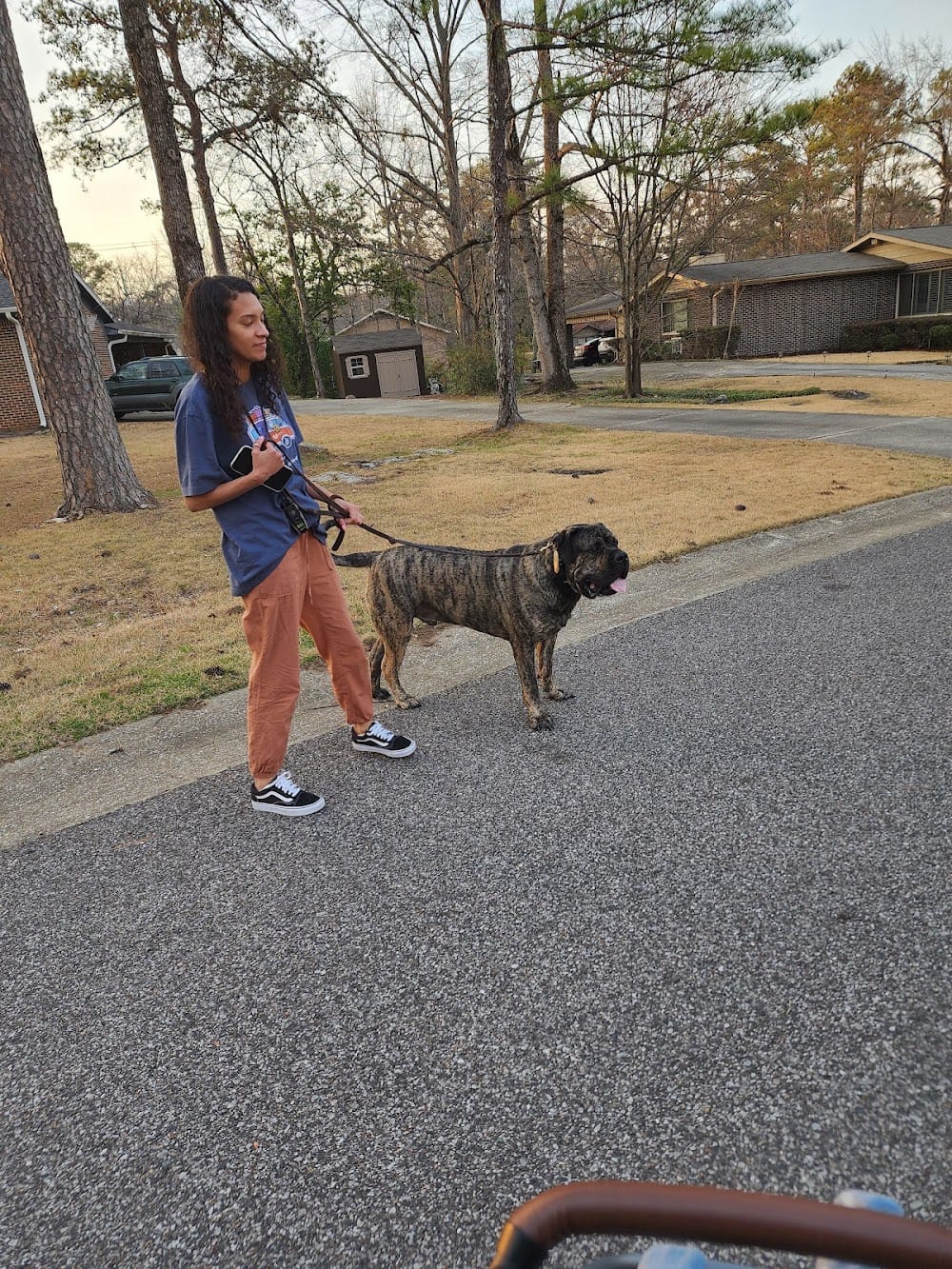
Embarking on the journey of dog ownership is a profoundly rewarding experience, yet it comes with its unique set of challenges. At the heart of a harmonious relationship between human and canine lies effective training. When we talk about comprehensive and transformative dog training, the “Alpha and Omega” approach stands out as a philosophy that covers all the essentials, from the very beginning to the ultimate goal of a well-behaved, happy dog. This isn’t just about teaching tricks; it’s about building a deep understanding and a strong bond that forms the bedrock of true companionship.
The Genesis of Alpha and Omega Dog Training
The concept of “Alpha and Omega” signifies completeness, the beginning and the end, the entirety of something. In the context of dog training, it implies a holistic methodology that addresses every facet of a dog’s development and behavior. This approach recognizes that training is not a one-time event but an ongoing process that evolves with the dog’s age, breed, and individual personality. It emphasizes understanding the canine mind, respecting their nature, and using methods that are both effective and humane.
Understanding Canine Communication
Before diving into specific techniques, a foundational understanding of how dogs communicate is paramount. Dogs don’t speak human language, but they possess a complex system of vocalizations, body language, and scent marking. Learning to interpret these signals is the first step in becoming an effective communicator with your dog.
- Body Language: Tail wags, ear position, posture, and facial expressions all convey a dog’s emotional state. A relaxed dog will have loose body language, while a fearful or anxious dog might exhibit tucked tails, flattened ears, or lip licking.
- Vocalizations: Barks, growls, whimpers, and howls each have different meanings. Understanding the context and tone is key to deciphering what your dog is trying to tell you.
- Scent Marking: While less obvious to humans, scent plays a crucial role in canine communication, helping them establish territory and gather information about their environment.
The Role of the “Alpha” or Leader
The term “alpha” in dog training has evolved significantly. While outdated dominance-based theories focused on forceful subjugation, modern understanding emphasizes leadership through clear communication, consistency, and establishing boundaries. A good leader provides structure, security, and guidance, which dogs naturally seek. This leadership isn’t about being a dictator; it’s about being a reliable and fair guide that your dog can trust and depend on.
Core Principles of Alpha and Omega Training
The Alpha and Omega approach integrates various training philosophies, focusing on positive reinforcement, clear communication, and consistency to shape desirable behaviors.
Positive Reinforcement: The Cornerstone of Modern Training
This is perhaps the most critical element. Positive reinforcement involves rewarding desired behaviors, making them more likely to occur again. Rewards can include treats, praise, toys, or affection. The key is to make the reward immediate and meaningful to the dog.
- Timing is Everything: Rewards must be delivered within seconds of the desired behavior so the dog can clearly associate the action with the positive outcome.
- Consistency in Rewards: While not every single correct behavior needs a reward, a consistent approach helps to solidify learning. Gradually, you can fade the frequency of rewards as the behavior becomes ingrained.
- Understanding Motivation: Different dogs are motivated by different things. Some are food-driven, others toy-driven, and some simply crave praise. Discovering what your dog values most will make your training more effective.
Clear and Consistent Communication
Dogs thrive on predictability. Inconsistent commands or rules confuse them and can lead to anxiety or misbehavior.
- Command Clarity: Use short, distinct verbal cues for commands (e.g., “Sit,” “Stay,” “Come”). Avoid using long sentences or changing commands.
- Hand Signals: Pairing verbal commands with hand signals can be highly effective, especially for dogs who may be distracted or hard of hearing.
- Environmental Consistency: Ensure that all members of the household are using the same commands and enforcing the same rules. This unified front is crucial for the dog’s understanding.
Establishing Boundaries and Structure
Just as positive reinforcement encourages good behavior, clear boundaries help prevent unwanted actions. This involves teaching your dog what is acceptable and what is not.
- Leash Training: A well-trained dog on a leash is a joy to walk. This involves teaching them to walk calmly beside you without pulling.
- House Training: This fundamental aspect of dog ownership requires patience, consistency, and a proactive approach to create a clean and comfortable living environment.
- Bite Inhibition: Teaching puppies and young dogs to control the pressure of their bite is vital for safe interaction with humans and other animals.
Practical Applications: From Puppyhood to Adulthood
The Alpha and Omega philosophy guides owners through every stage of their dog’s life.
Early Socialization and Foundation Training (Puppyhood)
The critical period for puppy socialization is between 3 and 16 weeks of age. Exposing puppies to a variety of sights, sounds, people, and other well-behaved dogs during this time helps them develop into confident, well-adjusted adults.
- Introduction to New Experiences: Safely introduce your puppy to different surfaces, noises, and environments.
- Basic Obedience: Start with simple commands like “Sit,” “Stay,” and “Come.” Keep training sessions short, fun, and rewarding.
- Potty Training: Establish a routine and reward successes. Accidents will happen, so react with calm redirection rather than punishment.
Adolescent Challenges and Continued Learning
The adolescent phase (roughly 6-18 months) can be a trying time for owners as dogs test boundaries and may seem to forget their training. This is where consistency and patience are most important.
- Reinforce Basic Commands: Continue to practice commands regularly, perhaps adding duration or distance to “Stay” or “Come.”
- Address Problem Behaviors: Jumping, chewing, and barking can become more pronounced. Identify the triggers and work on redirecting or managing the behavior.
- Advanced Training: Consider introducing more complex commands or activities like agility, scent work, or advanced obedience.
Lifelong Learning and Behavioral Enrichment
Training doesn’t stop when your dog is an adult. Continuing to engage your dog’s mind and reinforce good habits is essential for their well-being and maintaining a strong bond.
- Mental Stimulation: Puzzle toys, training games, and interactive play are crucial for preventing boredom and destructive behaviors.
- Addressing Age-Related Changes: As dogs age, their physical and cognitive abilities may change. Training might need to be adapted, focusing on gentle reinforcement and maintaining engagement.
- Behavioral Consultations: For persistent or severe behavioral issues, seeking help from a certified professional dog trainer or veterinary behaviorist is invaluable.
Expert Insights: The “Why” Behind the Method
Dr. Evelyn Reed, a renowned canine behaviorist, elaborates on the significance of this comprehensive approach: “The Alpha and Omega model resonates because it acknowledges that a dog’s behavior is a complex interplay of genetics, environment, and learned experiences. By focusing on clear communication, positive reinforcement, and consistent leadership, owners can build trust and understanding, leading to a more fulfilling relationship. It’s about fostering a partnership, not just obedience.”
Sarah Chen, a seasoned dog trainer specializing in positive methods, adds, “What I love about this philosophy is its adaptability. It’s not a rigid set of rules but a framework that allows trainers and owners to tailor their approach to the individual dog. Whether you have a high-energy Border Collie or a laid-back Basset Hound, the core principles of Alpha and Omega training provide a solid foundation for success.”
Overcoming Common Training Hurdles
Even with the best intentions, challenges can arise. Recognizing and addressing them proactively is key.
The “Stubborn” Dog Myth
Often, what appears as stubbornness is actually a lack of clear communication, inconsistent training, or a dog that is not adequately motivated. Re-evaluating your methods and ensuring your dog understands what is being asked is the first step.
Fear and Anxiety in Dogs
Fear-based behaviors, such as aggression or excessive nervousness, require a nuanced approach. This often involves desensitization and counter-conditioning, gradually helping the dog build positive associations with the things they fear. Patience and professional guidance are crucial here.
Lack of Time and Consistency
In today’s busy world, finding time for consistent training can be difficult. Breaking training into short, manageable sessions throughout the day (e.g., 5-10 minutes) can be highly effective. Involving all family members in the training process also helps maintain consistency.
The Ultimate Reward: A Deeper Bond
Choosing the Alpha and Omega approach to dog training is an investment in your relationship with your canine companion. It’s about more than just a well-behaved dog; it’s about fostering a deep, trusting bond built on mutual respect and understanding. From the first tentative steps of puppyhood to the golden years, this comprehensive philosophy equips you with the tools to navigate every aspect of your dog’s life, ensuring a lifetime of happy companionship. The journey from the alpha (the beginning) to the omega (the end) is one of continuous learning, unwavering patience, and boundless love, culminating in the ultimate reward: a devoted, well-adjusted dog who is truly a cherished member of the family.
