
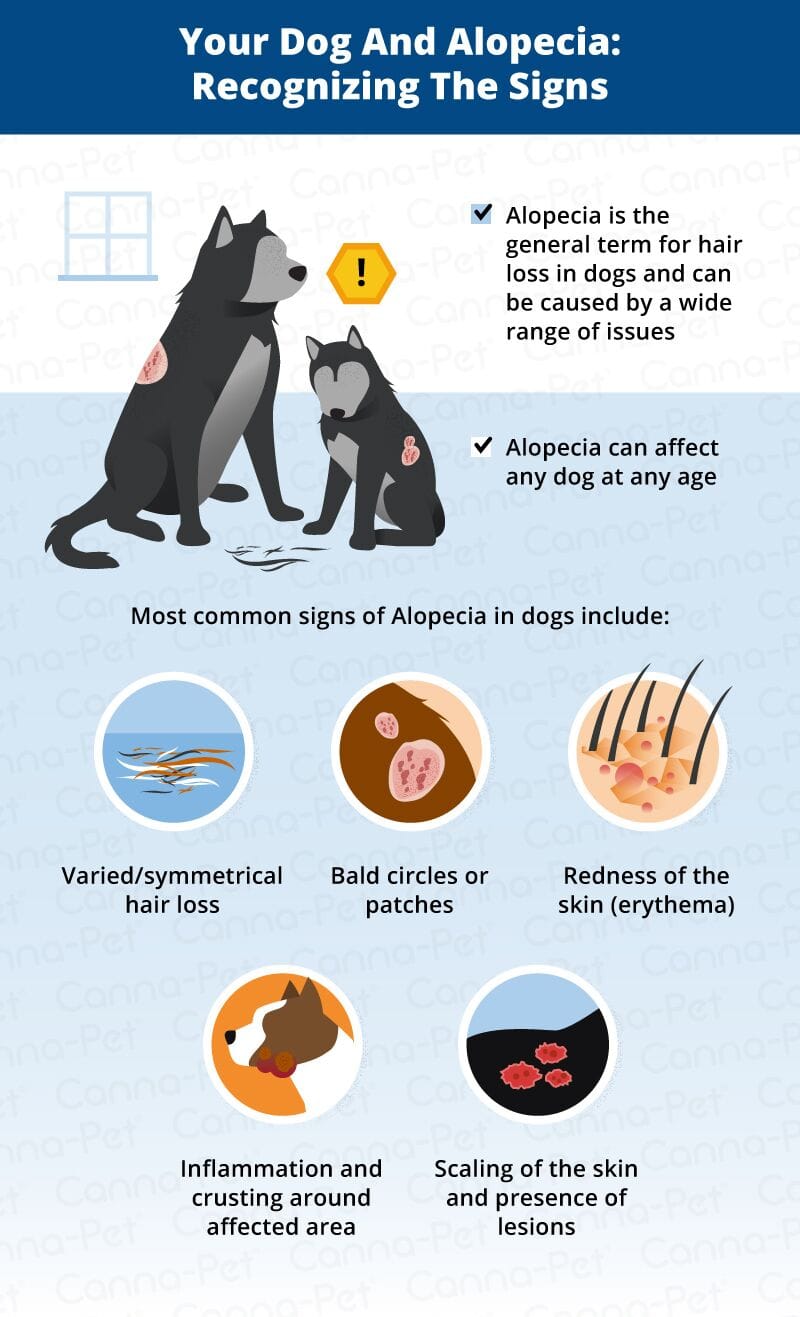
Hair loss, or alopecia, is a common concern for dog owners, often manifesting as thinning hair or bald patches. While shedding is a normal physiological process for dogs, alopecia signifies an underlying issue affecting the hair follicle’s normal life cycle. This condition can affect any breed and age, and it can be either congenital (present from birth) or acquired. Recognizing the signs and understanding the potential causes are crucial steps in ensuring your canine companion receives the appropriate care and can help their coat return to its healthy state.
Alopecia in dogs is characterized by a loss of hair, leading to baldness or a noticeably thinner coat. It’s important to distinguish this from normal shedding, which is a natural part of a dog’s hair growth cycle. Alopecia stems from an abnormality within the hair follicle that disrupts this cycle. While it can be distressing to witness, most causes of hair loss in dogs are not life-threatening emergencies, though a veterinary consultation is always recommended for an accurate diagnosis and treatment plan.
Symptoms of Hair Loss in Dogs
The visible signs of alopecia in dogs can vary depending on the root cause, but common indicators include:
- Localized or widespread baldness: Patches of skin may become completely bare.
- Thinning haircoat: The overall density of the fur decreases.
- Reddened skin: The exposed skin might appear inflamed or irritated.
- Skin abnormalities: Scabs, crusts, or even bleeding and discharge can occur.
- Presence of external parasites: Fleas, ticks, lice, or mites can lead to hair loss.
- Self-inflicted trauma: Excessive scratching, biting, or chewing at the skin, often due to discomfort or anxiety.
Common Causes of Hair Loss in Dogs
A variety of factors can lead to alopecia in dogs, broadly categorized as congenital or acquired.
Congenital and Hereditary Causes
Some dogs are born with or predisposed to hair loss due to genetic factors. These can include:
- Breed Predisposition: Certain breeds are more prone to specific types of alopecia. For instance, some breeds may be more susceptible to follicular dysplasia or hormonal imbalances that affect coat quality.
- Congenital Alopecia: In some cases, puppies may be born with a sparse coat that thins further, or a normal coat that changes over time due to a genetic condition.
Acquired Causes of Hair Loss
More commonly, hair loss develops after birth due to various external or internal factors:
- External Parasites: Fleas, ticks, lice, and mites (causing mange like demodex or sarcoptes) are frequent culprits. The irritation and allergic reactions caused by these pests can lead to significant hair loss. Even mosquito bites can cause localized irritation and subsequent hair loss.
- Allergies: Dogs can suffer from various allergies, including environmental allergies (atopy) and food allergies. These often manifest as skin issues, including itching and hair loss, particularly in common areas like the paws, ears, and abdomen.
- Self-Trauma: Behavioral issues like anxiety, stress, or underlying pain can lead dogs to excessively lick, chew, or scratch themselves, resulting in hair loss and skin damage.
- Autoimmune Diseases: Conditions where the dog’s immune system mistakenly attacks its own body, such as pemphigus, discoid lupus erythematosus (DLE), or systemic lupus erythematosus (SLE), can affect the skin and hair follicles.
- Nutritional Deficiencies: A diet lacking essential nutrients, such as zinc, vitamin E, biotin, vitamin A, or iron, can impair hair growth and lead to a dull coat and hair loss.
- Friction: Constant rubbing from a tight collar, harness, or clothing can cause localized hair loss.
- Medications and Chemical Exposure: Certain medications, like chemotherapy drugs, can cause hair loss as a side effect. Exposure to harsh chemicals or burns can also damage hair follicles.
Diagnosing Hair Loss in Dogs
A veterinarian is essential for accurately diagnosing the cause of alopecia. The diagnostic process typically involves:
- Thorough History: Your vet will ask detailed questions about your dog’s health, diet, environment, and the onset and progression of hair loss. Information about other pets in the household and any potential environmental exposures is also vital.
- Physical Examination: A comprehensive exam will assess the pattern of hair loss, check for skin infections, parasites, and other relevant clinical signs.
- Diagnostic Testing: Depending on the initial findings, several tests may be performed:
- Microscopic Hair Examination: Analyzing hair samples under a microscope can reveal abnormalities in the hair shaft and follicle, helping to differentiate between normal shedding and a medical issue.
- Skin Scrapings: To detect the presence of mites.
- Cultures and Cytology: Samples of hair and skin are cultured to identify bacterial or fungal infections. Skin smears or tape preps can reveal bacteria, yeast, and inflammatory cells.
- Allergy Testing: Intradermal skin testing or blood tests can help identify environmental allergens. A hypoallergenic or limited-ingredient diet trial is used to diagnose food allergies.
- Blood Tests: These can help diagnose hormonal imbalances like hypothyroidism or Cushing’s disease, or assess organ function.
- Fecal Analysis: To check for internal parasites.
Treatment and Management of Hair Loss
The treatment approach for alopecia in dogs is entirely dependent on the underlying cause.
- Mild Cases: Small, non-itchy areas of hair loss may resolve on their own.
- Symptomatic Relief: While awaiting a diagnosis, your vet may recommend treatments to manage symptoms like itching, such as anti-itch sprays or topical therapies. Using an Elizabethan collar (recovery cone) is often crucial to prevent licking or scratching, which can impede healing and lead to secondary infections.
- Specific Treatments: Once a diagnosis is confirmed, treatment may include:
- Medications: Oral or injectable medications for allergies (e.g., Apoquel, Cytopoint), immune-mediated diseases (e.g., Cyclosporine), or hormonal imbalances (e.g., trilostane for Cushing’s disease).
- Topical Therapies: Medicated shampoos, conditioners, or ointments to treat infections or skin conditions.
- Dietary Changes: For food allergies, a strict hypoallergenic or limited-ingredient diet trial is necessary. Ensuring a balanced and appropriate diet is fundamental for overall coat health.
- Parasite Control: Year-round prevention against fleas, ticks, and other parasites is essential.
- Surgery: In cases of tumors or growths causing hair loss, surgical removal may be required.
- Chemotherapy/Radiation: For skin cancer.
Recovery and Long-Term Management
The recovery period for alopecia varies significantly, from days for superficial infections to months for more complex conditions. Some causes, like hormonal imbalances or chronic allergies, require lifelong management. Consistent follow-up with your veterinarian is vital to monitor progress and adjust treatment plans as needed. Maintaining a trigger-free environment, especially regarding parasites, and preventing self-trauma are key components of successful long-term management.
Prevention of Hair Loss in Dogs
Preventing hair loss depends on its cause:
- Congenital and Hereditary Conditions: Unfortunately, these cannot be prevented but can be managed.
- Acquired Causes:
- Parasite Prevention: Regular, year-round administration of flea and tick preventatives is highly effective.
- Allergy Management: Identifying and avoiding allergens, along with appropriate medical management, can help.
- Diet: Providing a high-quality, balanced diet supports overall health and coat condition.
- Environment: Keeping your dog’s living space clean and free from harsh chemicals can prevent exposure-related issues.
Regular veterinary check-ups are crucial for early detection and intervention, preventing minor issues from becoming more severe.
Frequently Asked Questions About Dog Hair Loss
When should I be concerned about my dog’s hair loss?
You should be concerned if the hair loss is accompanied by itching, redness, scabs, or if the bald patches are spreading or worsening. Even small, non-itchy patches warrant a veterinary visit if you are concerned.
Why does my dog have bald patches?
Bald patches can result from numerous causes, including parasites, allergies, infections, autoimmune diseases, hormonal imbalances, or nutritional deficiencies. A veterinarian will perform diagnostic tests to determine the specific reason for your dog’s baldness.
Are there home remedies for dog hair loss?
While some over-the-counter medicated shampoos and topical products can be helpful for managing symptoms, it’s crucial to consult your veterinarian before using any treatments. Self-treating without a diagnosis can sometimes interfere with diagnostic testing and delay appropriate care.
What vitamin deficiencies cause hair loss in dogs?
Deficiencies in essential vitamins and minerals such as zinc, vitamin E, biotin, vitamin A, or iron can contribute to hair loss in dogs. Ensuring a balanced and complete diet is vital for preventing such deficiencies.
Disclaimer: This article provides general information about alopecia in dogs. It is not a substitute for professional veterinary advice. Always consult your veterinarian for any health concerns related to your pet.
