
Introducing wet food into your cat’s diet can offer significant health benefits, including increased hydration and a nutrient-rich formula. However, determining the correct portion size is crucial for your feline friend’s well-being. The amount of wet food your cat needs is influenced by various factors, such as their age, weight, activity level, and whether they also consume dry food or treats. This guide will provide insights into portion sizes, feeding frequency, and the importance of wet food in your cat’s diet.
Understanding Wet Food Portion Sizes
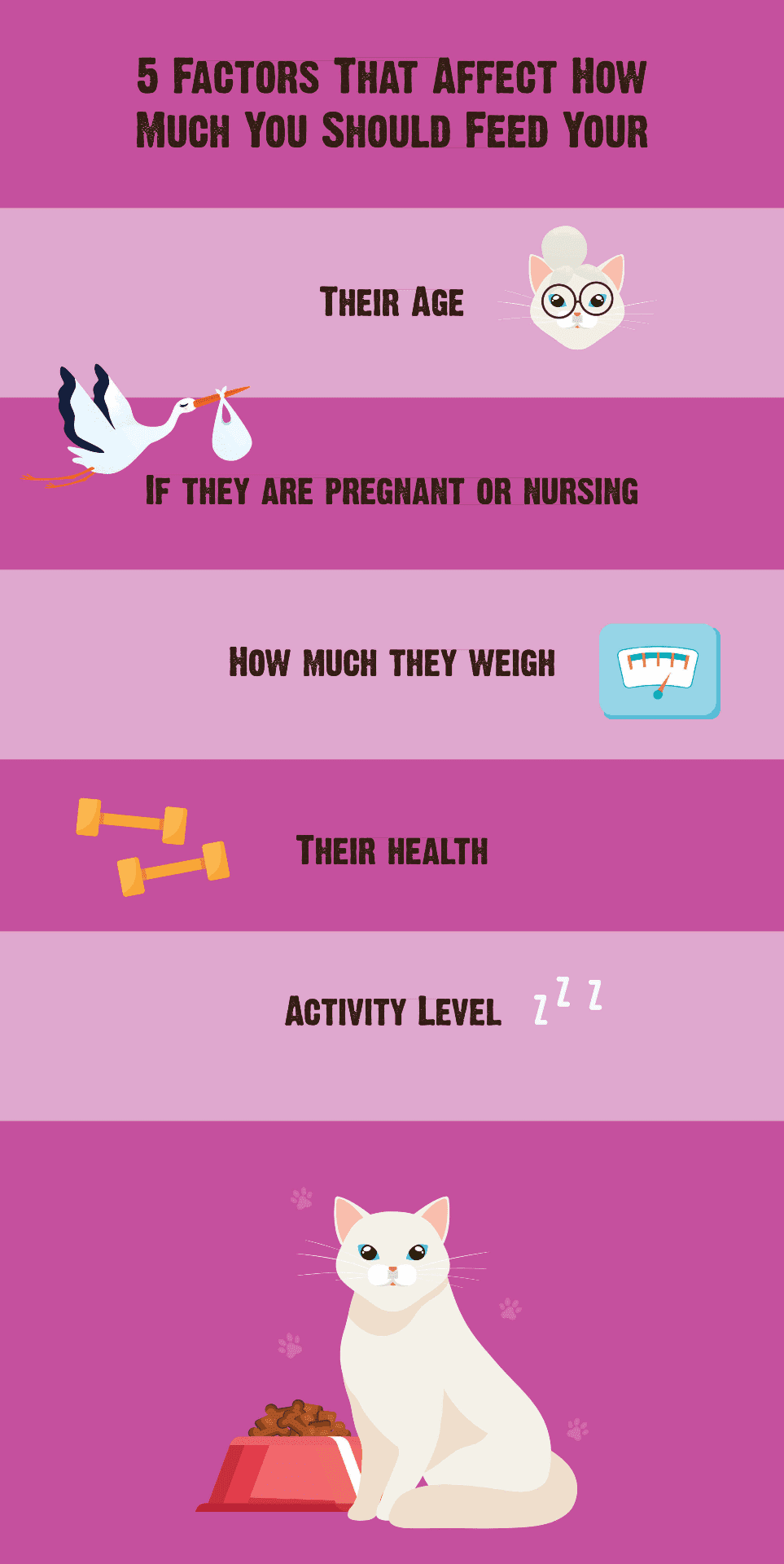
Most pet food manufacturers provide feeding guidelines on their wet food packaging. For instance, Farmina recommends feeding 3.25 cans per day for a 10-pound cat. Nevertheless, these guidelines are general, and it’s always best to consult your veterinarian for personalized recommendations. Several factors influence the precise amount of food your cat requires:
- Age: Kittens, being in a growth phase, require approximately double the calories of mature cats.
- Weight: A heavier cat needs more energy to maintain normal bodily functions and muscle mass compared to a lighter cat.
- Activity Level: Beyond their resting energy requirement, more active cats generally need more food to support their energy expenditure.
- Pregnancy or Nursing: Female cats who are pregnant or nursing kittens need an additional 25–50% of calories daily, translating to a higher intake of wet food.
- Spay/Neuter Status: Sterilization can reduce a cat’s metabolism by about 30%. Adjusting food intake post-surgery is essential to prevent weight gain. This is an important consideration if you’ve recently had your cat spayed or neutered.
General Wet Food Feeding Chart for Cats
The following chart offers a general daily guideline, assuming a 90-calorie, 2.5-ounce can of wet food as the sole source of nutrition for a spayed or neutered, lean cat. Always confirm with your veterinarian for your cat’s specific needs.
| Cat’s Weight | Kitten | Lean Cat | Overweight Cat | Pregnant | Nursing |
|---|---|---|---|---|---|
| 5 pounds | 3.5 cans | 1.75 cans | 1.5 cans | 2.75 cans | 2.75 cans |
| 10 pounds | 6 cans | 3 cans | 2.5 cans | 5 cans | 5 cans |
| 15 pounds | 8 cans | 4 cans | 3.25 cans | 6.5 cans | 6.5 cans |
| 20 pounds | 9.75 cans | 5 cans | 4 cans | 8 cans | 8 cans |
For example, a 5-pound kitten might need 3.5 cans daily of kitten-specific wet food. An overweight 10-pound adult cat may require approximately 2.5 cans of a calorie-controlled formula.
Feeding Frequency for Wet Food
The frequency of feeding wet food depends on your cat’s individual requirements. If wet food is their only food source, divide the total daily amount into two or three meals. If you combine wet and dry food, wet food might be offered once or twice a day. It is crucial to account for calories from all food sources, including treats, to prevent overfeeding and potential weight gain. Some cats may need wet food due to specific health issues, such as dental problems or nasal congestion, or as a prescribed recovery diet after illness.
The Importance of Wet Food in a Cat’s Diet
Wet cat food provides numerous advantages, significantly contributing to a cat’s overall health.
Enhanced Hydration
With approximately 70% more water content than dry food, wet food is an excellent way to ensure your cat stays hydrated, as many cats do not drink enough water. This moisture aids digestion, helps prevent constipation, and supports urinary health by diluting urine, thereby reducing the risk of urinary crystals. It is particularly beneficial for cats with kidney disease.
Appetite Stimulation
The appealing aroma and flavor of wet food can stimulate a cat’s appetite, which is especially helpful for picky eaters or those with a reduced appetite.
Weight Management Support
Due to its lower calorie density compared to dry food, wet food is an effective option for cats needing to lose weight. Cats can consume a similar volume of wet food while ingesting fewer calories.
Nutritional Enrichment and Digestibility
Wet food offers a variety of textures and flavors, providing sensory enrichment. Its soft consistency also makes it easier for cats with dental issues to eat comfortably, ensuring they still receive balanced nutrition. Furthermore, wet food is generally lower in carbohydrates than dry food, making it a suitable choice for diabetic cats.
Choosing the Right Wet Cat Food
When selecting wet cat food, prioritize brands that invest in research and conduct feeding trials. Look for statements of nutritional adequacy from the Association of American Feed Control Officials (AAFCO), which ensures the food is complete and balanced for your cat’s life stage.
Key Considerations:
- Life Stage: Choose food formulated for your cat’s specific life stage, whether kitten, adult, or senior. For example, kitten-specific formulas like Farmina N&D Prime Chicken & Pomegranate Kitten Food are designed for their developmental needs.
- Ingredients: Cats require protein, fats, vitamins, minerals, carbohydrates, and water. Protein sources like fish and chicken are common, with novel proteins available for cats with allergies. Fats, such as fish oil, provide essential fatty acids.
- Health Conditions: For cats with specific health issues like urinary tract disease or kidney disease, veterinary therapeutic diets may be recommended. These diets are formulated to manage these conditions under veterinary guidance. Farmina Vet Life Urinary ST Management and Farmina Vet Life Cat Renal Recipe in Gravy are examples of such specialized foods.
- Texture: Wet cat food comes in various textures, including pâté, shredded, and chunks in gravy. Experiment to find your cat’s preference.
Serving and Storing Wet Cat Food
Some cats prefer wet food cold, while others enjoy it warmed to room temperature. Warming food can enhance its aroma, which is beneficial for cats with nasal congestion. Always test the temperature before serving to prevent burns. Discard any uneaten wet food within two hours to prevent spoilage.
Storage Tips:
- Store unopened cans in a cool, dark place.
- Check expiration dates.
- Refrigerate opened cans, covered with an airtight lid, at or below 37°F.
- Discard opened, unused food after three days.
Frequently Asked Questions
Can I overfeed my cat wet food?
Yes, overfeeding can lead to obesity and related health problems. Always follow feeding guidelines and consult your veterinarian for precise portioning.
What is the best wet-to-dry food ratio?
A common recommendation is a 2:1 ratio of wet to dry food, but this can vary. Consult your vet to determine the optimal ratio and ensure accurate calorie intake.
How long can wet cat food sit out?
Wet cat food should not be left at room temperature for more than two hours, as it can become a breeding ground for bacteria.
