
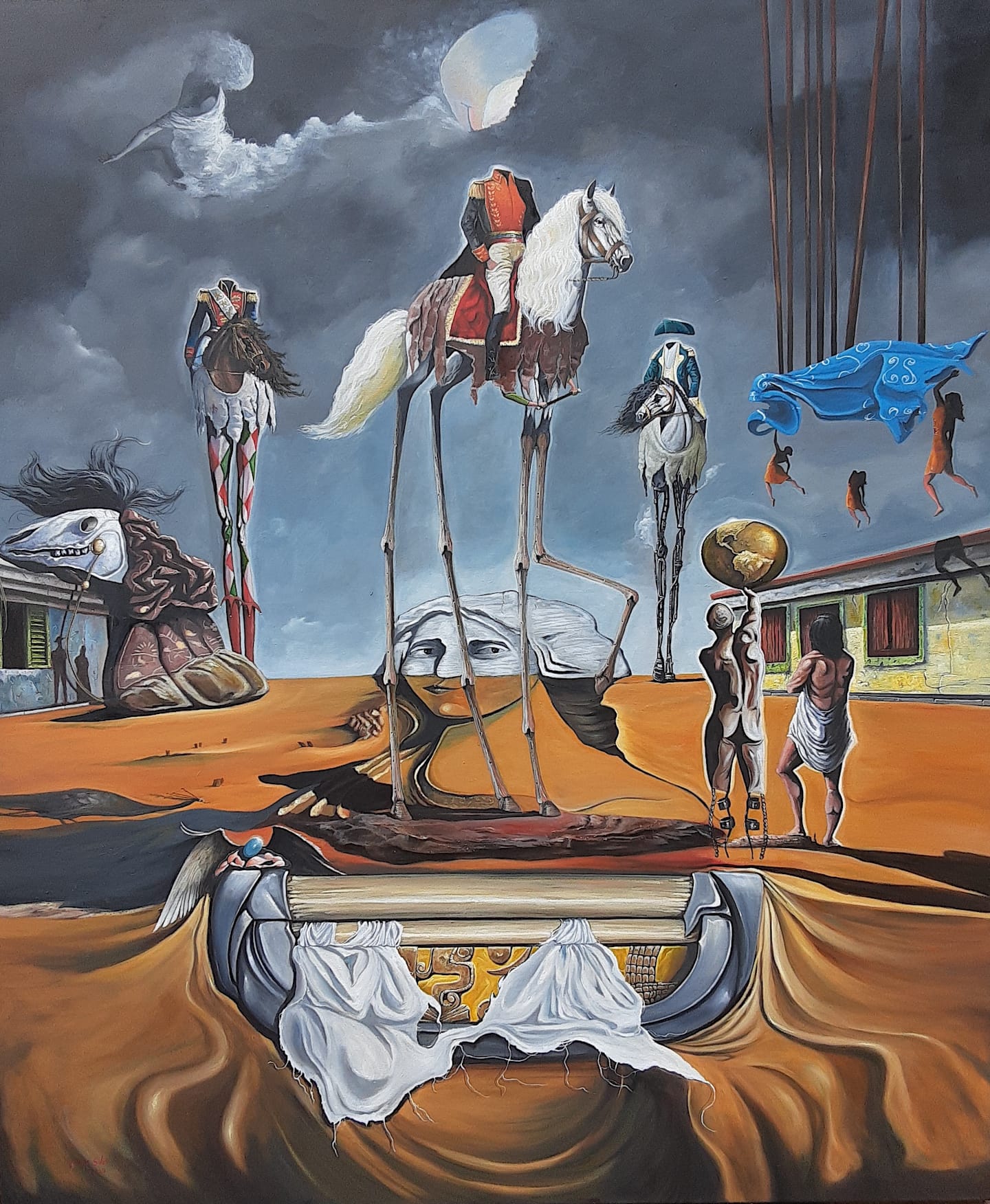
Have you ever wondered about the origins of the tales we tell our children? The little rhymes and nonsensical verses often hide deeper meanings and forgotten histories. The all the queen’s horses story, famously associated with Humpty Dumpty, is a perfect example. It’s more than just a nursery rhyme about a clumsy egg; it’s a fragment of history, a lesson in futility, and a phrase that has echoed through centuries of literature and culture. It speaks to the universal experience of facing something so completely shattered that no amount of power or resources can make it whole again.
This story, or rather this single, powerful line, invites us to look beyond the shell of the narrative. We’ll delve into the murky origins of Humpty Dumpty, explore the powerful symbolism behind the king’s (or queen’s) futile rescue mission, and see how this simple verse has left an indelible crack on our collective imagination. It’s a journey into folklore, history, and the very nature of what it means to be irreparably broken.
The Mysterious Origin of Humpty Dumpty
Before we can understand the queen’s horses, we must first understand the egg. Who was Humpty Dumpty? The familiar image of a fragile, anthropomorphic egg is actually a relatively modern invention, popularized by Lewis Carroll in his 1871 novel Through the Looking-Glass. The original nursery rhyme, which first appeared in print in the late 18th century, never mentions that Humpty Dumpty is an egg at all.
This ambiguity has led to a fascinating array of historical theories, each attempting to pin down the identity of this unfortunate character. The story becomes less of a fairy tale and more of a historical riddle.
Was Humpty Dumpty a Cannon?
One of the most popular and compelling theories transports us to the English Civil War, specifically the Siege of Colchester in 1648. According to local legend, “Humpty Dumpty” was the nickname for a massive cannon mounted on the wall of St Mary-at-the-Wall church. It was a crucial part of the Royalist defenses, wreaking havoc on the besieging Parliamentarian forces.
The story goes that a Parliamentarian cannon shot finally damaged the wall beneath Humpty Dumpty, causing the great cannon to tumble to the ground. The Royalists—”all the king’s men”—tried desperately to hoist the cannon back into a firing position, but it was so heavy and damaged that their efforts were in vain. It was broken beyond repair. This theory fits the rhyme perfectly:
“Humpty Dumpty sat on a wall,
Humpty Dumpty had a great fall.
All the king’s horses and all the king’s men
Couldn’t put Humpty together again.”
This interpretation transforms the rhyme from a children’s story into a clever piece of wartime folklore, a lament for a lost weapon that symbolized the eventual fall of the city.
Could Humpty Dumpty Be a King?
Another compelling theory points towards King Richard III of England. This theory, while more speculative, connects the character’s name and fate to the historical king. The name “Humpty Dumpty” was once slang for a clumsy or hunchbacked person, and Richard III was famously (though perhaps unfairly) depicted by Tudor propagandists, including Shakespeare, as having a hunched back.
His “great fall” would be his defeat and death at the Battle of Bosworth Field in 1485. After he was knocked from his horse, his formidable army—”all the king’s horses and all the king’s men”—was unable to save him or turn the tide of the battle. He was killed, and his reign came to a decisive, irreversible end. This theory paints the rhyme as a veiled political allegory about the fragility of power and the finality of defeat.
The Power of the Phrase: “All the Queen’s Horses”
Regardless of Humpty Dumpty’s true identity, the most enduring part of the story is its final couplet. The phrase “all the king’s horses and all the king’s men” (often adapted to “queen’s horses”) has become a powerful idiom in the English language. It represents the limits of power and the concept of irreversible damage.
The imagery is potent. It conjures the full might of a monarchy—its cavalry, its army, its entire establishment—being utterly helpless. If the combined resources of a kingdom cannot fix something, then it is truly and completely broken. This idea resonates far beyond historical battles or fallen cannons.
A Symbol of Irreparable Damage
The phrase has evolved to describe any situation where a fundamental breakage has occurred, something that cannot be pieced back together, no matter how much effort or resources are applied. Think of:
- A loss of innocence: Once lost, it can never be fully reclaimed.
- A shattered reputation: Even with public relations campaigns, the damage often remains.
- A broken trust: A deep betrayal can permanently alter a relationship, and no amount of apologies can erase the original act.
- Environmental damage: Once an ecosystem collapses or a species goes extinct, the loss is permanent.
Dr. Eleanor Vance, a linguist specializing in cultural idioms, puts it this way:
“The phrase ‘all the queen’s horses’ taps into a primal understanding of entropy. It’s the folk-wisdom version of the second law of thermodynamics. It tells us that some processes are irreversible. Order descends into chaos, and sometimes, no amount of human effort can reverse the flow. It’s a humbling, sobering thought captured in a child’s rhyme.”
This is the core of its power. The story acknowledges a difficult truth: some things cannot be fixed. It teaches a lesson in acceptance and the sometimes-harsh reality of consequences.
Cultural Echoes and Modern Interpretations
The story of Humpty Dumpty and the queen’s horses has proven to be remarkably adaptable, appearing in countless forms of media, each using the rhyme to explore themes of failure, fragility, and collapse.
In Literature
Lewis Carroll’s Through the Looking-Glass is perhaps the most famous literary adaptation. His Humpty Dumpty is an arrogant, pedantic egg who debates semantics with Alice before his inevitable fall. Carroll uses the character to satirize the fragility of intellectual pride. In Robert Penn Warren’s classic novel, All the King’s Men, the title itself is a direct allusion to the rhyme, telling the story of a charismatic, corrupt politician whose political machine ultimately collapses under its own weight, a fall from which he cannot be put back together.
In Film and Music
The phrase has also found its way into film and music. It’s often used as a shorthand for a catastrophic failure. In the James Bond film Skyfall, the rhyme is recited by the villain, Raoul Silva, to taunt M about the collapse of her organization. The lyrics of many songs, from artists like Taylor Swift to Aretha Franklin, have referenced the rhyme to describe broken relationships and personal struggles that feel beyond repair.
This enduring presence in popular culture shows just how deeply the all the queen’s horses story is embedded in our psyche. It’s a shared cultural reference point for the idea of a point of no return.
What Does This Story Teach Us?
Beyond the historical intrigue and cultural references, what is the lasting message of this simple verse? It imparts several timeless lessons.
The Limits of Power
The most obvious lesson is that power is not absolute. No matter how wealthy, influential, or mighty you are, there are forces and situations beyond your control. The story serves as a check on arrogance, reminding us that everyone, from the commoner to the king, is subject to falls from which they cannot recover.
The Importance of Prevention
If all the queen’s horses and men can’t fix Humpty Dumpty after he falls, the clear implication is that he shouldn’t have been sitting so precariously on the wall in the first place. The story is a cautionary tale about taking unnecessary risks and the importance of foresight. It’s easier to prevent a disaster than to clean one up.
The Nature of Fragility
Whether an egg, a cannon, or a king, Humpty Dumpty represents something inherently fragile. The story teaches us to recognize and respect fragility—in ourselves, in our relationships, and in the systems we build. Pushing things to the brink is a dangerous game, because the break, when it comes, may be absolute.
In the end, the all the queen’s horses story is a powerful piece of cultural shorthand. It’s a nursery rhyme that encapsulates a profound and often uncomfortable truth about the world: some things, once broken, stay broken forever. It’s a testament to the power of storytelling that such a complex idea can be conveyed in four simple, unforgettable lines.
Frequently Asked Questions (FAQ)
What is the original meaning of the Humpty Dumpty rhyme?
The original meaning is not definitively known, which is why there are several theories. The most prominent theories suggest “Humpty Dumpty” was either a large cannon used during the English Civil War that fell from a wall or a symbolic representation of King Richard III after his defeat at the Battle of Bosworth Field.
Why is it sometimes “king’s horses” and other times “queen’s horses”?
The rhyme originated when a king was the monarch of England. The wording changes depending on the reigning monarch at the time the version is told. “All the king’s horses” is the more traditional version, but “all the queen’s horses” is commonly used, especially during the long reigns of queens like Victoria and Elizabeth II.
Is Humpty Dumpty mentioned as an egg in the original rhyme?
No, the original rhyme never specifies that Humpty Dumpty is an egg. That depiction was popularized much later by Lewis Carroll in his book Through the Looking-Glass, and the image has stuck ever since.
What does the phrase “all the king’s men” mean today?
Today, the idiom “all the king’s horses and all the king’s men” refers to the futility of using all available power and resources to try and fix something that is irreparably broken or damaged. It signifies a point of no return.
Are there other nursery rhymes with hidden historical meanings?
Yes, many classic nursery rhymes are believed to have origins in historical events or political satire. For example, “Ring a Ring o’ Roses” is often associated with the Great Plague, and “Mary, Mary, Quite Contrary” is sometimes thought to be about Queen Mary I of England.
