
Tracheal collapse is a progressive and often life-altering condition for dogs, potentially becoming life-threatening if not managed appropriately. As a dedicated dog owner, understanding the causes, symptoms, diagnosis, and various treatment options is crucial for recognizing the signs early and seeking timely veterinary care. This guide will provide a comprehensive overview of collapsed trachea, with a particular focus on how Albuterol For Dogs With Collapsed Trachea can be a vital component of their treatment plan, helping them breathe easier and improve their quality of life.
When addressing a chronic condition like tracheal collapse, it’s essential to consider all aspects of a dog’s health, including issues like a [dog vomiting tablet](https://dogcarestory.com/dog-vomiting-tablet/) might be prescribed for, as overall well-being impacts their ability to cope with respiratory challenges. Early intervention and a tailored treatment strategy can significantly mitigate the progression of the disease and improve your pet’s comfort.
Understanding a Collapsed Trachea in Dogs
The trachea, commonly known as the windpipe, is a crucial part of the canine respiratory system, acting as the primary pathway for air from the nose and mouth to the lungs. This vital tube is structured by rings of cartilage, which typically maintain its open, tubular shape. However, in dogs with tracheal collapse, these cartilaginous rings weaken over time. When they lose their rigidity, the trachea can flatten or collapse, causing a narrowing of the airway that makes breathing arduous and often leads to distressing symptoms.
Causes and Risk Factors of Canine Tracheal Collapse
Tracheal issues in dogs are frequently congenital, meaning affected dogs are born with a predisposition due to inherently weak tracheal cartilage. While any dog can develop the condition, toy or miniature breeds are disproportionately affected. Breeds most susceptible include Yorkshire Terriers, Pomeranians, Toy Poodles, and Chihuahuas. The condition’s progressive nature means that symptoms typically emerge or worsen as a dog ages, with the average onset around 6 to 7 years old.
Beyond congenital factors, several other elements can contribute to the development or exacerbation of tracheal collapse:
- Chronic Respiratory Diseases: Existing respiratory issues can put additional strain on the trachea.
- Cushing’s Disease: This endocrine disorder can weaken connective tissues, including cartilage.
- Heart Disease: Canine heart conditions can impact overall respiratory function and health.
- Obesity: Excess weight puts increased pressure on the chest and airways, making breathing more difficult.
- Exposure to Cigarette Smoke: Environmental irritants like smoke can inflame and damage the delicate tissues of the respiratory tract.
 A small dog with a thoughtful expression lies on a wooden floor, appearing somewhat unwell.
Recognizing the Symptoms of a Collapsed Trachea
The most prominent and often alarming symptom of a collapsed trachea is a persistent, chronic cough. This cough tends to worsen during periods of exercise, excitement, or when the dog is eating or drinking. The distinctive sound of this cough is frequently described as a harsh, dry “honking goose” sound. Dog owners often notice this unique vocalization as one of the first indicators of the condition.
Other critical signs that may point to a collapsed trachea include:
- Rapid breathing: An increased respiratory rate, even at rest.
- Abnormal breathing sounds: Wheezing or crackling noises when breathing.
- Difficulty breathing (dyspnea): Visible effort required for each breath.
- Low energy: Reduced willingness to play or engage in usual activities.
- Bluish tinge to the gums (cyanosis): A severe sign indicating insufficient oxygenation.
- Fainting: Sudden loss of consciousness due to lack of oxygen.
It’s important to note that certain environmental factors and the dog’s overall health can exacerbate these symptoms. Obesity, exposure to dust and smoke, and even humid weather conditions can make it harder for a dog with a collapsed trachea to breathe comfortably.
Diagnosing Collapsed Trachea in Dogs
While the characteristic “honking” cough often provides a strong clue, a definitive diagnosis of tracheal collapse requires a thorough veterinary examination. Your veterinarian will perform a complete physical assessment and conduct various diagnostic tests to rule out other conditions that might present similar symptoms, such as kennel cough, bronchitis, or heart disease.
Standard diagnostic tests for tracheal collapse typically include:
- Chest X-rays: These images can reveal the extent of tracheal narrowing or collapse, though the trachea may only appear collapsed during certain phases of respiration.
- Fluoroscopy: A dynamic, moving X-ray procedure that allows the veterinarian to observe the trachea in real-time as the dog breathes, providing a clearer picture of the collapse.
- Bronchoscopy: This involves inserting a thin tube with a camera into the airway, allowing for direct visualization of the trachea’s internal structure and any areas of collapse.
Your vet may also recommend additional tests, such as bloodwork, to assess your pet’s overall health and identify any co-morbid conditions that could be worsening the respiratory symptoms.
 A small Yorkshire Terrier dog is gently held by a veterinarian during an examination, suggesting care and attention.
Treatment Options for Collapsed Trachea in Dogs
Managing tracheal collapse primarily involves a combination of medical therapies, lifestyle adjustments, and, in severe cases, surgical intervention. Most mild to moderate cases can be effectively managed with medication, tailored by your veterinarian based on your dog’s specific symptoms and medical history.
Medications for Airway Management
Several classes of medications are crucial in managing the symptoms of tracheal collapse.
Bronchodilators for Airway Expansion
Bronchodilators are often prescribed to open the airways within the lungs, thereby facilitating better oxygen flow to the bloodstream. Medications such as theophylline, terbutaline, or albuterol for dogs with collapsed trachea are commonly used. Albuterol, a potent bronchodilator, can be particularly effective during episodes of respiratory distress. These medications can be administered in pill form, but inhaled bronchodilators, delivered via a spacer device like the AeroDawg Chamber, are often easier to administer to a distressed pet and can provide more immediate relief directly to the respiratory tract.
Cough Suppressants to Alleviate Irritation
To soothe irritated and inflamed airways caused by persistent coughing, liquid cough suppressants like butorphanol or hydrocodone may be prescribed. These help reduce the frequency and severity of the honking cough.
Corticosteroids for Inflammation Reduction
Anti-inflammatory steroids such as prednisone (oral) or fluticasone (inhaled) are used to reduce inflammation and swelling within the windpipe. Inhaled corticosteroids are often preferred due to their lower risk of systemic side effects and the significantly lower drug doses required. Similar to inhaled bronchodilators, inhaled corticosteroids require the use of a spacer device for effective administration.
Sedatives for Calming Effects
Excitement or anxiety can worsen symptoms in dogs with tracheal collapse. Light sedatives, such as butorphanol or [ace medication for dogs](https://dogcarestory.com/ace-medication-for-dogs/) (acepromazine) pills, may be prescribed to help calm your dog, thereby reducing the likelihood of symptom flare-ups. Another related option often considered is [ace dog medication](https://dogcarestory.com/ace-dog-medication/) which can similarly help manage anxiety and overexcitement. While these medications do not cure the underlying condition, they are invaluable for ongoing symptom management, significantly contributing to a happier and more comfortable life for your pet.
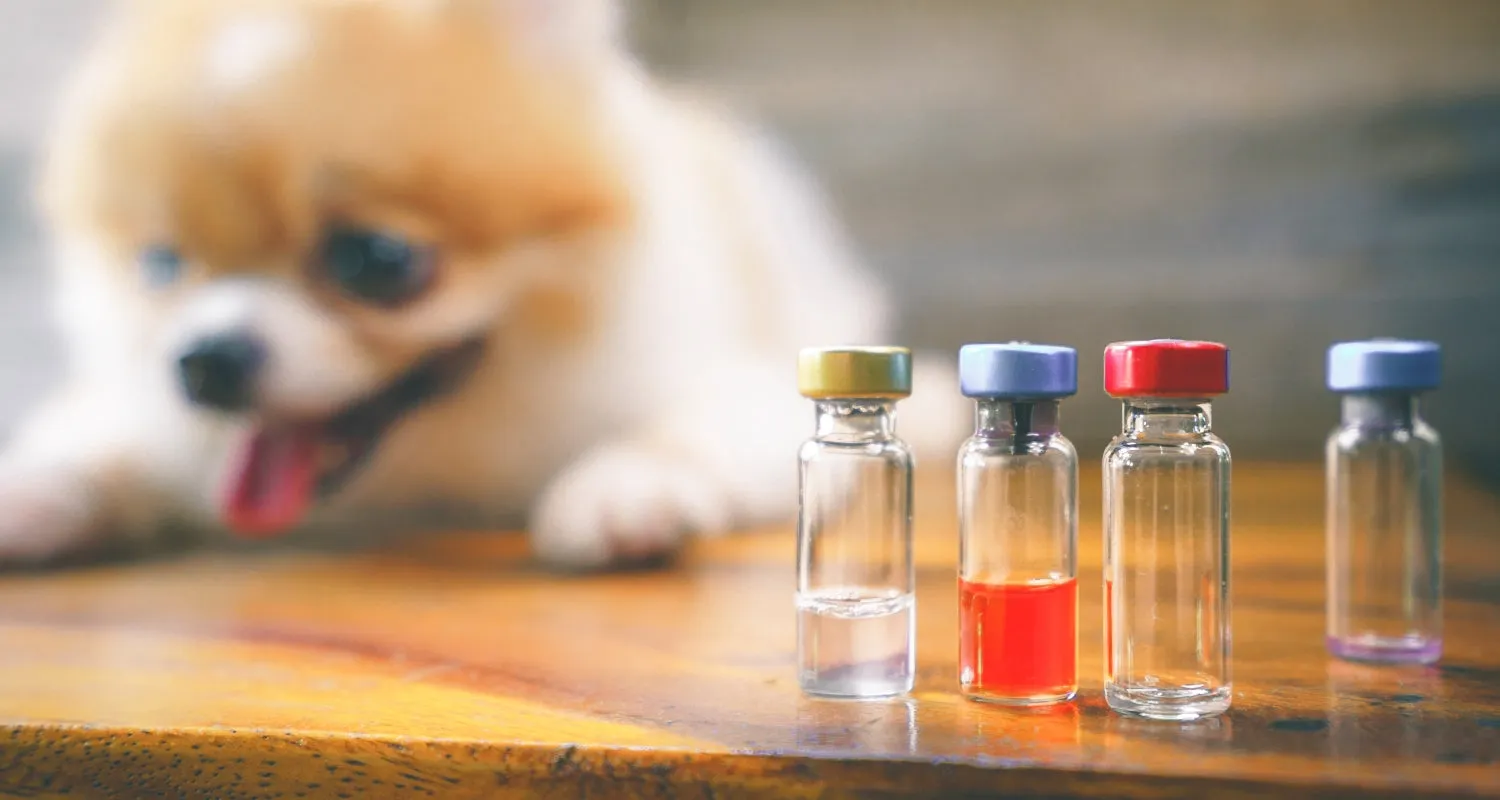 Several small glass vials containing various medications sit on a table next to a tiny toy dog figurine.
Surgical Intervention for Severe Cases
For dogs suffering from severe tracheal collapse that does not respond adequately to medical management, surgical intervention may be necessary. One common surgical approach involves a veterinary surgeon placing plastic rings around the outside of the trachea to provide external support and keep the windpipe open. Another advanced option is the placement of an intraluminal stent—a small, expandable mesh tube inserted inside the airway to hold it open.
Home Management Strategies for Collapsed Trachea
Alongside veterinary treatments, several home-based strategies can significantly help manage your dog’s symptoms and improve their comfort:
- Harness Use: Always use a harness instead of a collar when walking your dog to prevent pressure on their windpipe.
- Environmental Control: Avoid smoking or using aerosols around your pet, as these irritants can exacerbate respiratory distress.
- Ventilation: Ensure your dog’s living environment is well-ventilated, providing fresh air.
- Air Filters: Change air filters regularly to reduce airborne allergens and irritants.
- Weight Management: If your dog is overweight or obese, work with your vet to implement a controlled diet and exercise plan. Reducing excess weight can significantly lessen the respiratory effort required and alleviate pressure on the trachea.
- General Health: Maintaining overall health is key. For example, if your dog experiences digestive upset, finding a
[remedy for dog vomiting and not eating](https://dogcarestory.com/remedy-for-dog-vomiting-and-not-eating/)quickly can prevent additional stress on their system. Similarly, ensuring they are free from parasites by using appropriate[flea medicine for small dogs](https://dogcarestory.com/flea-medicine-for-small-dogs/)can contribute to their general well-being.
While these home management techniques are beneficial, they are complementary to, not a replacement for, professional veterinary care. It is always important to consult your veterinarian for an accurate diagnosis and a comprehensive treatment plan.
Living with a Dog with Collapsed Trachea
Living with a dog diagnosed with a collapsed trachea requires ongoing vigilance and a commitment to their prescribed care plan. The goal is to manage symptoms effectively, prevent exacerbations, and ensure the highest possible quality of life. Regular veterinary check-ups are essential to monitor the condition’s progression and adjust treatments as needed. Understanding how medications like albuterol for dogs with collapsed trachea work and being proficient in administering them can empower you to provide the best care for your canine companion.
Conclusion
Tracheal collapse is a challenging condition, but with proper understanding and diligent management, dogs can still lead fulfilling lives. Early diagnosis, a comprehensive treatment plan involving medications like bronchodilators such as albuterol for dogs with collapsed trachea, cough suppressants, and corticosteroids, along with crucial home management strategies, are key. Surgical options are available for severe cases. Partnering closely with your veterinarian is paramount to developing an individualized care plan that optimizes your dog’s respiratory health and overall well-being. By staying informed and proactive, you can significantly improve your beloved pet’s comfort and quality of life.
Consider discussing inhaled medications and the use of the AeroDawg Chamber with your vet to explore all avenues for helping your dog breathe easier and live a happy, active life.
References
American College Of Veterinary Surgeons, “Tracheal Collapse” (Tracheal Collapse – American College of Veterinary Surgeons)
Amy Tokic, “What You Should Know About Tracheal Collapse in Dogs.” The Honest Kitchen Blog (What You Should Know About Tracheal Collapse in Dogs – The Honest Kitchen)
Jennifer Coates, M.D., “Collapsing Trachea in Dogs: Everything You Need to Know.” PetMD (Collapsing Trachea in Dogs | PetMD)
Pet Health Network, “What Happens When Your Dog’s Windpipe Collapses?” (What Happens When Your Dog’s Windpipe Collapses?)
American College Of Veterinary Surgeons, “Tracheal Collapse.” (Tracheal Collapse – American College of Veterinary Surgeons)
