
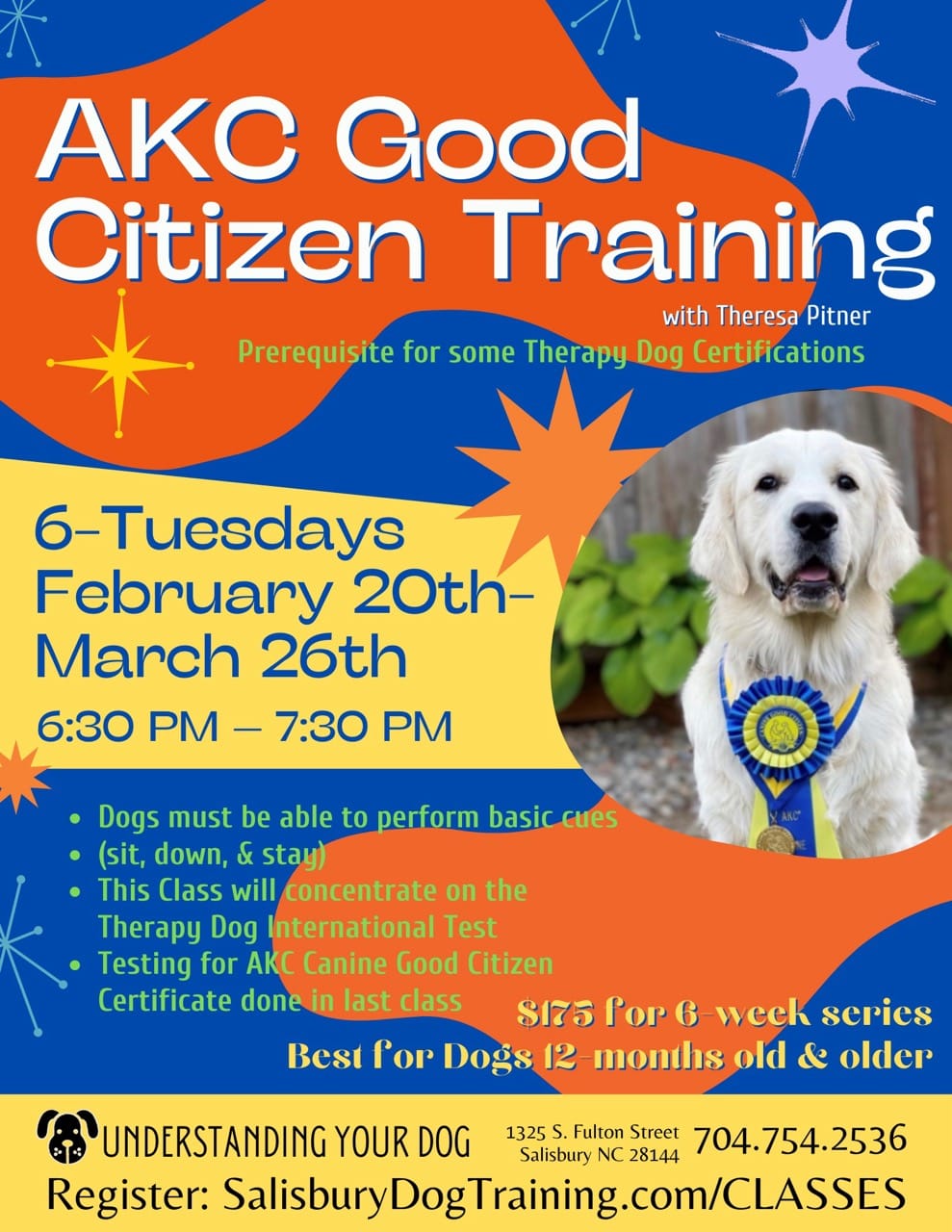
Embarking on the journey to train your dog as a certified therapy animal is a rewarding experience, offering profound benefits to both your canine companion and the individuals they’ll serve. The American Kennel Club (AKC) offers a recognized program that validates a dog’s temperament and training for this noble role. This guide will delve into the specifics of Akc Therapy Dog Training, covering everything from initial suitability and essential skills to the certification process and the incredible impact these dogs have. If you’re considering this path, you’re in for a journey filled with love, learning, and making a tangible difference.
Understanding Therapy Dog Roles and Suitability
Therapy dogs provide comfort and support in various settings, including hospitals, nursing homes, schools, and disaster areas. Unlike service dogs, who are trained to perform specific tasks for individuals with disabilities, therapy dogs offer emotional support through their presence and gentle interaction. The core of their work lies in their calm, friendly, and adaptable nature.
Temperament is Key
The most crucial factor in a successful therapy dog is their inherent temperament. Ideal candidates are:
- Sociable and Friendly: They should genuinely enjoy meeting new people of all ages and backgrounds.
- Calm and Gentle: They must remain composed and gentle, even in stimulating or noisy environments.
- Adaptable and Confident: They should not be easily startled by sudden noises, unfamiliar equipment (like wheelchairs or walkers), or unusual smells.
- Obedient and Responsive: A solid foundation of obedience is non-negotiable for safety and effectiveness.
- Non-Reactive: They should not exhibit aggression or excessive fear towards other animals or people.
Breeds vary widely in their suitability, but individual temperament within any breed is paramount. A confident Golden Retriever or a mellow Labrador is often a great start, but a well-adjusted mixed breed can be just as, if not more, capable. Age is also a consideration; while puppies can be socialized, most therapy dog organizations require dogs to be at least one year old before certification.
The Difference Between Therapy, Service, and Emotional Support Animals
It’s vital to distinguish between different types of working dogs:
- Therapy Dogs: Provide comfort and emotional support in various facilities. They are not granted public access rights under the ADA.
- Service Dogs: Trained to perform specific tasks for individuals with disabilities (e.g., guide dogs, hearing dogs, mobility assistance dogs). They have public access rights under the ADA.
- Emotional Support Animals (ESAs): Provide comfort to their owner through companionship. They do not require specific task training and have limited legal protections, primarily related to housing.
Essential Skills for AKC Therapy Dog Training
AKC therapy dog training focuses on building a strong bond and ensuring your dog can navigate various environments safely and confidently. While the AKC does not offer its own therapy dog certification, it recognizes many reputable therapy dog organizations and provides the AKC Canine Good Citizen (CGC) program as a foundational step.
The AKC Canine Good Citizen (CGC) Program
The CGC program is an excellent starting point for aspiring therapy dogs. It consists of 10 basic obedience and good manner tests that all dogs should master. These include:
- Presents to a Stranger: Dog is on a loose-leash and stands or walks with a stranger.
- Sits Politely for Petting: Dog sits and allows a friendly stranger to pet them.
- Walks Politely with Handler: Dog and handler walk through a crowd.
- Sit and Down on Command: Dog responds to “sit” and “down” commands.
- Comes When Called: Dog responds enthusiastically to a recall command.
- Leash Manners: Dog does not pull on the leash.
- “Leave It”: Dog ignores a piece of food or treat on the floor.
- Supervised Separation: Dog remains calm while handler is out of sight.
- Reaction to Distractions: Dog is unfazed by a loud noise or dropped object.
- Controlled Walk: Dog walks through a doorway with handler without rushing out.
Mastering the CGC is a significant achievement and demonstrates a solid foundation for further therapy dog training. Many therapy dog organizations require CGC certification before a dog can be evaluated for their specific therapy dog title.
Advanced Skills and Socialization
Beyond the CGC, therapy dog training involves crucial socialization and advanced skills:
- Exposure to Diverse Environments: Regularly expose your dog to various sights, sounds, and smells. Visit pet-friendly stores, parks, and outdoor cafes.
- Familiarity with Medical Equipment: If possible, let your dog observe and become comfortable around wheelchairs, walkers, crutches, and other mobility aids.
- Handling Unusual Interactions: Practice having strangers approach your dog, pet them gently, and perhaps offer a treat (with your permission). Teach your dog to remain calm and allow this.
- “On-Off” Switches: Train your dog to switch between being calm and engaged when needed, and relaxed when appropriate.
- Managing Excitement: Teach your dog to greet people calmly, without jumping or excessive barking.
Choosing a Therapy Dog Organization
While the AKC does not certify therapy dogs directly, they partner with and recognize many established therapy dog organizations. These organizations set their own standards and evaluation processes.
Reputable Organizations to Consider:
- Therapy Dogs International (TDI): A well-respected organization that provides testing and registration for therapy dogs.
- Pet Partners: Offers a comprehensive program that includes handler education and animal testing for various types of therapy animals, not just dogs.
- Alliance of Therapy Dogs (ATD): Focuses on testing and registering therapy dogs and their handlers, emphasizing a calm and gentle demeanor.
When choosing an organization, consider their testing requirements, training philosophy, insurance coverage, and the types of facilities they typically partner with. Researching organizations in your local area can also be beneficial, as some facilities may prefer handlers affiliated with specific groups.
The Evaluation Process
The evaluation process for therapy dog certification varies by organization but generally includes several key components:
Handler Skills
Therapy dog work is a team effort. The evaluation will assess your ability to read your dog’s body language, manage them effectively, and interact appropriately with facility staff and clients. You’ll need to demonstrate confidence and competence in handling your dog in various scenarios.
Dog’s Performance
The dog will be evaluated on their obedience, temperament, and ability to handle simulated therapy dog situations. This often includes:
- Greeting Strangers: Approaching and allowing petting from a stranger.
- Reaction to Other Dogs: Passing calmly by another dog on a leash.
- Response to Distractions: Ignoring dropped objects, loud noises, or sudden movements.
- Handling of Medical Equipment: Showing no fear or reactivity towards wheelchairs, walkers, etc.
- Calmness in a Simulated Environment: Demonstrating composure in a setting that mimics a therapy visit.
Facility Visits and Continued Training
Once certified, your work isn’t over. Many organizations require a period of supervised visits or ongoing training to ensure continued good standing. It’s essential to maintain your dog’s training and socialization throughout their therapy dog career. Remember, the goal is to provide a safe, comforting, and positive experience for everyone involved.
The Profound Impact of Therapy Dogs
The benefits of having a certified therapy dog are far-reaching. These canine ambassadors bring joy, reduce stress, and provide a sense of connection to people in need.
Benefits for Patients and Clients
- Reduced Anxiety and Stress: The simple act of petting a dog can lower blood pressure and release endorphins, promoting a sense of calm.
- Combating Loneliness: For individuals in long-term care or facing isolation, a therapy dog offers unconditional companionship and a reason to engage.
- Improved Mood: Dogs have an uncanny ability to lift spirits and bring smiles to faces, even in challenging circumstances.
- Motivation for Recovery: In physical or occupational therapy settings, a dog can motivate patients to perform exercises they might otherwise find difficult.
- Facilitating Social Interaction: Dogs can act as icebreakers, encouraging communication and connection between people.
Benefits for Handlers and Their Dogs
- Deepened Bond: The training and shared experiences strengthen the connection between handler and dog.
- Sense of Purpose: Knowing your dog is making a positive difference provides immense personal satisfaction.
- Enhanced Socialization: Handlers often find themselves connecting with new people through their therapy dog work.
- Well-Adjusted Dog: The consistent positive socialization and training contribute to a well-behaved and confident dog.
Preparing for Your Therapy Dog Journey
The path to becoming an AKC-recognized therapy dog team requires dedication, patience, and a love for dogs. Start with basic obedience, focus on socialization, and choose an organization that aligns with your goals. The AKC Canine Good Citizen program is an excellent foundation, and many accredited therapy dog organizations build upon these skills.
Remember that every dog is an individual, and not all dogs are suited for therapy work, regardless of breed. It’s crucial to assess your dog’s temperament honestly and prioritize their well-being and that of the people they will visit.
If your dog possesses the right temperament and you’re committed to the training, the rewards of becoming a therapy dog team are immeasurable. You’ll not only be sharing the unique magic of dogs but also contributing positively to your community, one wagging tail at a time. For those interested in specific training locations, exploring options like dog training wichita falls or dog training salinas ca can provide localized resources for developing the necessary skills. Similarly, understanding general canine behavior, as might be explored in resources for dog training athens ga, is crucial. Remember that consistent training, whether you’re in dog training fayetteville ar or any other area, is key to success. Learning about various training techniques, perhaps those offered by facilities similar to those providing dog training tyler tx, can further enhance your approach.
