
Bringing agility training into your home can be a fantastic way to bond with your dog, provide them with much-needed physical and mental stimulation, and help build their confidence. Gone are the days when agility was exclusively for the show ring; now, you can create a fun and engaging agility course right in your backyard or even indoors with a little creativity. This guide will walk you through setting up, training, and enjoying the world of at-home dog agility.
Agility isn’t just about speed and jumping; it’s a partnership. It’s about clear communication between you and your canine companion, building trust, and having a blast together. Whether you have a high-energy Border Collie or a more laid-back Bulldog, there are ways to adapt agility training to suit their personality and physical capabilities.
Understanding the Benefits of Dog Agility
Before diving into the practicalities, let’s explore why agility training is so beneficial for your dog and your relationship.
- Physical Health: Agility provides a full-body workout, improving your dog’s cardiovascular health, muscle tone, and coordination. It helps maintain a healthy weight and can reduce the risk of certain health issues.
- Mental Stimulation: Navigating obstacles and following commands is mentally taxing in the best way. It keeps your dog’s mind sharp, prevents boredom, and can curb destructive behaviors that stem from a lack of mental engagement.
- Confidence Building: Successfully overcoming challenges in an agility course can significantly boost a dog’s self-esteem. This is especially true for shy or fearful dogs, helping them to become more courageous and independent.
- Strengthened Bond: The teamwork required in agility fosters an incredible connection between dog and owner. It’s a shared activity where both partners learn to rely on each other.
- Improved Obedience: While not formal obedience training, agility naturally reinforces basic commands like “sit,” “stay,” “come,” and directional cues.
Setting Up Your At-Home Agility Course
The beauty of at-home agility is its adaptability. You don’t need expensive, professional equipment to get started.
DIY Obstacle Ideas
- Tunnels: Simple play tunnels for children or even sturdy cardboard boxes taped together can work wonders.
- Jumps: Use broomsticks propped up between two stacks of books or small cones. Start with the bar very low to the ground and gradually increase the height as your dog gains confidence and ability. You can also use hula hoops suspended by ropes as a safe jumping alternative.
- Weave Poles: For a beginner setup, you can use upright markers like traffic cones or even garden stakes placed about two feet apart. As your dog progresses, you can reduce the spacing. Professional weave poles are also available for purchase.
- Tires: A large hula hoop or a sturdy cardboard hoop can be suspended at a low height for your dog to jump through. Ensure it’s securely fastened and at a safe height.
- Pause Table/Box: A low, stable platform like a sturdy rug, a low wooden crate, or even a designated square on the floor can serve as a “pause table” where your dog learns to sit or stay for a few seconds.
- Ramps/A-Frames (Simplified): A low, wide plank of wood supported at one end can act as a beginner’s ramp. Ensure it’s non-slip and not too steep. For an A-frame, you could use two such planks forming an inverted V, again, keeping the height very manageable.
Safety First!
Always prioritize safety. Ensure all obstacles are stable and free from hazards. For jumps, start low and never force your dog to jump if they seem hesitant or uncomfortable. Avoid sharp edges or loose parts. If using any household items, make sure they are dog-safe and won’t splinter or break. For more advanced equipment, consider investing in specialized, collapsible agility equipment designed for home use.
Basic Agility Training Techniques
Consistency and positive reinforcement are key to successful agility training.
Introducing Obstacles
Start by introducing one obstacle at a time. Let your dog explore it at their own pace. Use treats and praise to create positive associations.
- Tunnels: Toss a treat into the tunnel and encourage your dog to go in after it. As they get comfortable, gradually increase the tunnel’s length.
- Jumps: Lure your dog over the low bar with a treat. Once they understand the concept, you can start to phase out the lure, using hand signals and verbal cues instead.
- Weave Poles: This can be one of the trickier obstacles. Start by guiding your dog through the poles using treats or by walking them through manually. You can also use a long lead to help guide them. For beginners, having them weave through just a few poles is a great start.
- Pause Table: Teach your dog to jump onto the designated spot and stay. Reward them for remaining calm and focused. Start with just a few seconds and gradually increase the duration.
Verbal Cues and Hand Signals
As your dog progresses, start associating each obstacle with a specific verbal cue (e.g., “Tunnel,” “Jump,” “Weave”) and a hand signal. Your signals should be clear and consistent. This is where the partnership truly develops, as your dog learns to interpret your directions.
Building Speed and Flow
Once your dog is comfortable with individual obstacles, you can start stringing them together to create short sequences. Begin with two or three obstacles and gradually add more as your dog’s proficiency and stamina increase. The goal is to create a smooth flow from one obstacle to the next, guided by your cues.
Training Tips for Success
- Keep Sessions Short and Fun: Aim for 10-15 minute training sessions, a few times a week. End each session on a positive note, even if it’s just with a simple command your dog knows well.
- Positive Reinforcement is Crucial: Use high-value treats, enthusiastic praise, and favorite toys to reward your dog for successful attempts. Never punish your dog for mistakes; instead, make it easier for them to succeed.
- Know Your Dog’s Limits: Pay attention to your dog’s physical condition and energy levels. Don’t push them too hard, especially in the beginning. Agility should be enjoyable, not exhausting or painful.
- Socialization and Other Dogs: If you plan to attend classes or events later, ensure your dog is well-socialized and comfortable around other dogs and people.
- Consider Professional Guidance: While home training is fantastic, consider a few sessions with a professional agility trainer. They can offer personalized advice, spot issues you might miss, and introduce more advanced techniques. For instance, training like beyond basics dog training in fort worth tx can provide a solid foundation.
Common Challenges and How to Overcome Them
- Hesitation at Obstacles: If your dog is hesitant, go back a step. Make the obstacle easier, use more enticing rewards, or break down the task into smaller components. For example, to help a dog overcome fear of tunnels, you can start by just having them walk over a partially collapsed tunnel.
- Lack of Focus: Minimize distractions during training sessions. Ensure your dog is getting enough exercise and mental stimulation outside of agility training.
- Physical Limitations: For older dogs or those with physical issues, adapt the course. Use lower jumps, shorter tunnels, and focus more on flatwork and simple directional changes. Always consult your veterinarian before starting any new physical activity program.
Integrating Agility into Your Dog’s Life
Agility training is more than just a series of commands; it’s about building a more responsive, confident, and engaged canine companion. It offers a fantastic outlet for their natural instincts and energy.
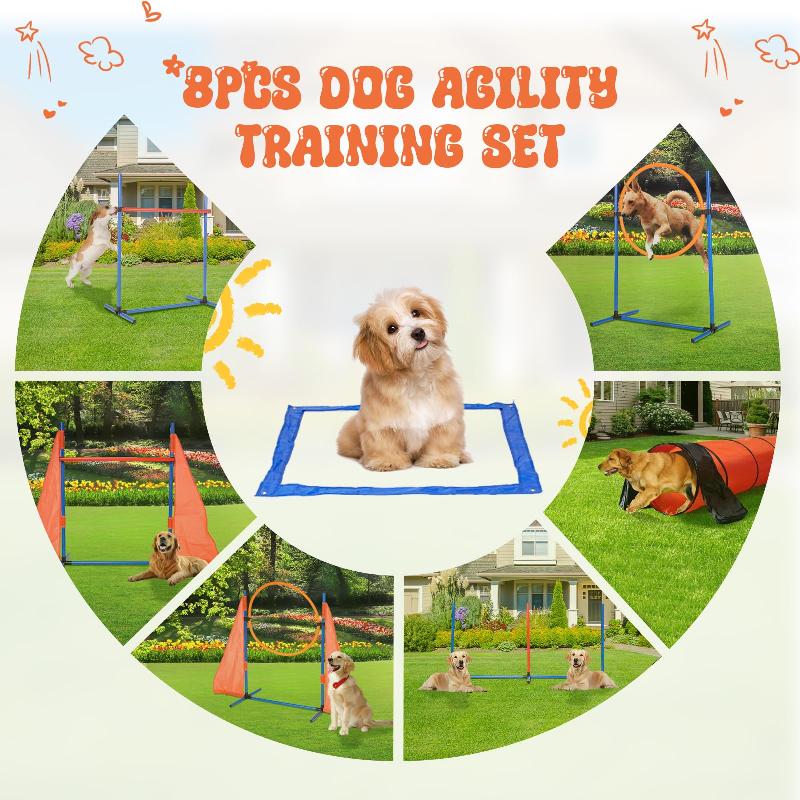 A dog happily navigating a homemade agility course in a backyard, with colorful obstacles like tunnels and low jumps.
The journey of Agility Training For Dogs At Home is incredibly rewarding. It requires patience, creativity, and a deep understanding of your dog. As you progress, you’ll witness your dog’s physical capabilities and mental acuity improve, all while strengthening the unique bond you share. Remember to celebrate every small victory and enjoy the process. Whether you’re aiming for competitive success or simply looking for a fun way to exercise your dog, home-based agility offers a world of possibilities. For those looking to refine specific skills, exploring resources on dog training broward county or dog obedience training san diego can provide valuable insights into structured training methodologies that can complement your home practice. You might also find specific techniques useful for different breeds or temperaments, similar to how advanced handling is taught in places like dog training walnut creek ca.
Frequently Asked Questions About Home Agility Training
Q1: How old should a dog be before starting agility training?
A1: It’s generally recommended to wait until a dog is physically mature, typically around 12-18 months for larger breeds and 9-12 months for smaller breeds. This is to prevent injury to developing joints and bones. However, you can begin teaching foundational skills like focus, listening, and body awareness much earlier.
Q2: What if my dog is scared of an obstacle?
A2: Never force your dog. Make the obstacle less intimidating by lowering it, shortening it, or using extra tempting treats. Practice in short, positive sessions, gradually building their confidence. Sometimes, simply having them walk past the obstacle with a reward can be a good first step.
Q3: Do I need special equipment to start agility training at home?
A3: Absolutely not! You can start with common household items like broomsticks, laundry baskets, tunnels for kids, or even just designating areas on the floor. The focus is on teaching the concepts and building your dog’s understanding and responsiveness.
Q4: How much time should I dedicate to training each day?
A4: Shorter, more frequent sessions are usually best. Aim for 10-15 minutes, perhaps twice a day, rather than one long session. This keeps training fun and prevents your dog from becoming bored or fatigued.
Q5: Can agility training help with my dog’s behavioral problems?
A5: Yes, agility can be very beneficial. The mental and physical stimulation it provides can reduce anxiety, boredom, and destructive behaviors. It also strengthens the bond and communication between you and your dog, which can help address various behavioral issues.
In conclusion, agility training for dogs at home is an accessible and highly beneficial activity for many canine companions. It fosters a deeper connection, improves health, and provides endless fun. With a little creativity and commitment, you can create a stimulating environment for your dog to thrive.
