
It can be disheartening and even frightening when your small dog exhibits aggressive behavior. While their size might lead some to believe they’re less capable of serious aggression, this is a misconception. Small dog aggression is a real issue that requires understanding, patience, and the right training approach. At Dog Care Story, we’re dedicated to helping you navigate these challenges and build a stronger bond with your canine companion. This comprehensive guide will delve into the reasons behind aggressive behavior in small dogs and provide actionable strategies for training and management.
Understanding the Roots of Small Dog Aggression
Aggression in any dog, regardless of size, is a complex behavior often stemming from a combination of factors. It’s rarely a sign of inherent “badness” but rather a communication method, albeit an undesirable one.
Common Triggers for Aggression in Small Dogs
- Fear and Anxiety: This is perhaps the most common root cause. Small dogs can feel more vulnerable, leading them to react aggressively to perceived threats, unfamiliar people, loud noises, or sudden movements. This can manifest as growling, snapping, or even biting when approached or handled in a way that makes them uncomfortable.
- Lack of Socialization: Dogs who haven’t been adequately exposed to various people, other dogs, environments, and experiences during their critical socialization period (typically 3-16 weeks) may develop fear-based aggression later in life.
- Past Trauma or Negative Experiences: A bad encounter with another dog, a frightening experience at a vet’s office, or harsh handling can leave lasting emotional scars, leading to defensive aggression.
- Resource Guarding: Many dogs, including small ones, can become aggressive when they perceive someone or another animal is trying to take away something they value, such as food, toys, a resting spot, or even their owner’s attention.
- Pain or Medical Conditions: Sudden or unexplained aggression can sometimes be a sign of an underlying medical issue. Pain from arthritis, dental problems, or internal discomfort can make a dog irritable and more prone to lashing out.
- Learned Behavior: If a dog has learned that growling or snapping makes an unwanted situation (like a person getting too close) go away, they’ll continue to use that behavior. This is sometimes reinforced unintentionally by owners.
- “Small Dog Syndrome”: This is not a clinical diagnosis but a behavioral pattern observed in some small breeds. It often involves a lack of consistent training and boundaries from owners, leading the dog to believe they are in charge, exhibiting demanding or aggressive behaviors because they haven’t been taught appropriate canine etiquette.
Differentiating Types of Aggression
It’s crucial to identify the type of aggression your dog is displaying, as this informs the training approach.
- Fear Aggression: Characterized by a dog trying to create distance, often showing appeasement signals (lip licking, yawning) before growling or snapping. They may try to retreat.
- Territorial Aggression: Directed towards perceived intruders entering their space (home, yard, car).
- Possessive Aggression (Resource Guarding): Growling, stiffening, or snapping when someone approaches their food, toys, or resting place.
- Predatory Aggression: Often seen in breeds with high prey drives, directed towards small, fast-moving objects or animals (squirrels, cats, sometimes even small children). This is less common in purely “aggressive” contexts but can involve chasing and nipping.
- Pain-Induced Aggression: Occurs when a dog is touched in a painful spot.
- Redirected Aggression: When a dog is frustrated or aroused by something they can’t reach (e.g., a dog outside a window) and redirects their aggression onto a nearby person or animal.
Strategies for Aggressive Small Dog Training
The goal of training is not to eliminate a dog’s ability to feel fear or possessiveness, but to teach them more appropriate ways to cope with those feelings and to manage their environment effectively. Consistency and patience are key, especially when dealing with training a stubborn puppy to come.
1. Veterinary Check-up: Rule Out Medical Causes
Before embarking on any training, schedule a thorough veterinary examination. Explain the specific aggressive behaviors you’re observing. Pain or discomfort can significantly impact a dog’s temperament, and addressing any underlying health issues is paramount.
2. Management: Preventing Rehearsal of Aggression
Management is the immediate step to ensure safety and prevent the dog from practicing aggressive behaviors.
- Avoid Triggers: Identify what sets your dog off and actively avoid those situations as much as possible in the initial stages of training. If your dog barks aggressively at visitors, ensure they are safely kenneled or in another room with a high-value chew when guests arrive.
- Leash Control: Always use a leash in public and even in your yard if there’s a risk of escape or unwanted interactions. A well-fitting harness or head halter can provide better control than a collar alone.
- “Leave It” and “Drop It”: Teach these commands diligently to help manage resource guarding and prevent your dog from picking up forbidden items.
3. Positive Reinforcement Training Techniques
Positive reinforcement focuses on rewarding desired behaviors, making them more likely to occur again. This approach builds trust and strengthens the human-animal bond, which is crucial for overcoming aggression.
Desensitization and Counter-Conditioning (DSCC): This is the cornerstone for treating fear-based and anxiety-driven aggression.
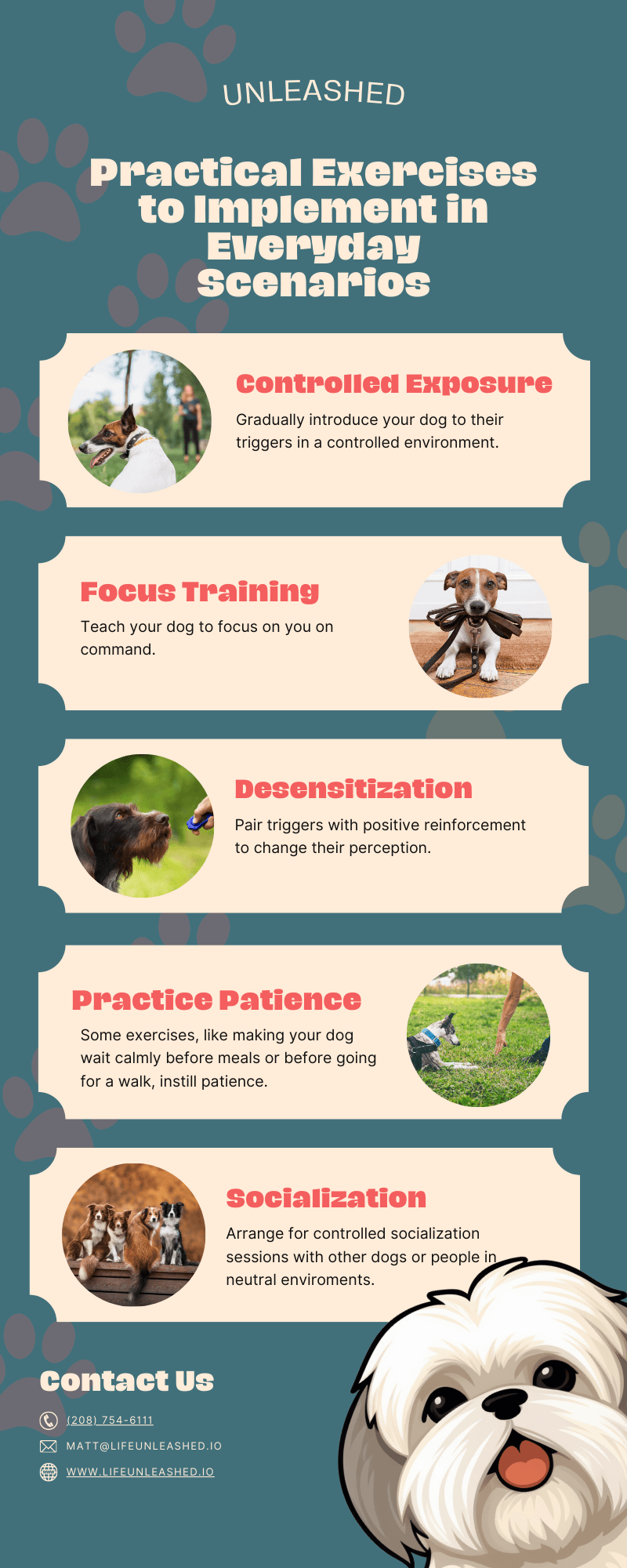
- Desensitization: Gradually exposing your dog to the trigger at a distance or intensity that does not provoke a reaction. For example, if your dog barks at other dogs, start by exposing them to a calm dog at a very far distance, perhaps across a park.
- Counter-Conditioning: Pairing the trigger with something highly positive, like high-value treats or a favorite toy. As the dog sees the trigger at a safe distance, give them treats. The goal is to change their emotional response from fear/anxiety to positive anticipation.
- The Process: Start with the dog at a distance where they notice the trigger but don’t react (below threshold). As soon as they see it, give treats. When the trigger disappears, the treats stop. Repeat many times. Gradually decrease the distance or increase the intensity of the trigger only when the dog is consistently calm and happy at the current level. If the dog reacts (growls, lunges), you’ve moved too fast; increase the distance again.
“Look at That” (LAT) Game: A variation of DSCC. When your dog notices the trigger (e.g., another dog, a person), calmly say “Yes!” and give them a treat. The moment the trigger disappears, the treats stop. This teaches them to look at the trigger and then look to you for a reward, associating the trigger with good things.
Building Confidence: Engage in activities that boost your dog’s confidence. Puzzle toys, scent work, or learning new tricks can help. A more confident dog is often less fearful.
4. Addressing Resource Guarding
- “Trade Up”: Teach your dog that giving up an item leads to something even better. Hold a high-value treat and when your dog has a toy, offer the treat. As they drop the toy to take the treat, praise them. Gradually increase the duration they have to “offer” the item before the trade.
- Not Resource Guarding: Avoid the temptation to snatch items away from your dog. This can reinforce their need to guard. Instead, work on positive trades and creating a sense of security.
- Feed Separately: If guarding food, feed your dog in a separate, secure area away from other pets or people.
5. Bite Training Near Me – Understanding and Prevention
While the idea of “bite training” might sound counterintuitive, it refers to understanding canine bite inhibition and learning how to prevent bites from occurring or escalating. If your dog is showing signs of aggression, it’s essential to seek professional help. Trying to engage in “bite training” without expert guidance can be dangerous. Instead, focus on professional resources for dog bite training near me if you’re in a situation where you need immediate, local assistance.
6. Consistent Rules and Boundaries
Even small dogs need clear rules. “Small Dog Syndrome” often arises from inconsistent training or allowing small dogs behaviors that would not be tolerated in larger dogs (e.g., jumping, nipping, demanding attention).
- Impulse Control Exercises: Teach your dog to wait for their food, wait at doorways, and control their excitement.
- “Place” or “Go to Mat”: Train your dog to go to a designated spot and stay there until released. This is invaluable for managing excitement and controlling behavior around triggers.
- Establish a Routine: Predictable routines for feeding, potty breaks, exercise, and training can reduce anxiety.
When to Seek Professional Help
Aggression is a serious issue that can escalate if not handled correctly. It’s vital to recognize when professional intervention is necessary.
- If you are feeling unsafe: Your safety and the safety of others are the top priorities.
- If the aggression is severe: This includes frequent biting, hard stares, or lunging behaviors.
- If you are not seeing improvement: Despite your best efforts, if the behavior persists or worsens, it’s time to consult an expert.
- If you are unsure of the cause: A professional can help diagnose the underlying reason for the aggression.
Look for a certified professional dog trainer (CPDT-KA, CPDT-KSA), a certified applied animal behaviorist (CAAB), or a veterinary behaviorist (DACVB). These professionals use science-based, humane methods and can create a tailored behavior modification plan. They can also help you understand how to train a dog on a leash to ensure safe walks, which is often a challenge with aggressive dogs.
Integrating Training into Daily Life
Training for aggression isn’t a separate event; it’s woven into your dog’s everyday life.
- Short, Frequent Sessions: Keep training sessions short (5-10 minutes) and positive. Multiple short sessions throughout the day are more effective than one long, grueling one.
- Generalization: Practice training in different environments and with various triggers (at a safe distance) to help your dog generalize their learned behaviors. This might involve visiting different parks or walking at different times of day.
- Advocacy: Be your dog’s advocate. If you’re in a public place and someone approaches with an off-leash dog or a child that you feel might overwhelm your dog, don’t hesitate to politely say, “Please give us some space, my dog is in training.”
Conclusion: Building a Harmonious Relationship
Dealing with an aggressive small dog requires dedication, understanding, and a commitment to humane training methods. By focusing on management, positive reinforcement, desensitization, and seeking professional guidance when needed, you can effectively address aggressive behaviors. Remember, every dog is an individual, and with patience and the right strategies, you can help your small companion overcome their challenges and foster a more peaceful, trusting relationship. Embrace the journey, celebrate small victories, and continue learning about your dog’s unique story.
Frequently Asked Questions (FAQ)
Q1: Why is my small dog suddenly aggressive?
A1: Sudden aggression can often be linked to pain or a medical condition. A prompt visit to the veterinarian is essential to rule out any underlying health issues. Stress or a change in environment can also contribute.
Q2: How can I stop my small dog from growling at strangers?
A2: The key is desensitization and counter-conditioning. Keep your dog at a distance from strangers where they feel comfortable, and reward them with high-value treats for calm behavior. Gradually decrease the distance as they improve. Avoid forcing interactions.
Q3: My small dog is aggressive towards other dogs. What should I do?
A3: This is often fear-based. Focus on management to prevent negative encounters. Then, work on DSCC by exposing your dog to other dogs at a distance that doesn’t trigger a reaction, pairing the sight of the other dog with positive reinforcement. Consider enrolling in a specialized class, perhaps one focusing on dog training portland maine if you’re in that area, that handles reactive dogs positively.
Q4: Is “small dog syndrome” a real thing?
A4: While not a formal diagnosis, “small dog syndrome” describes behaviors like excessive barking, jumping, and nipping, often stemming from a lack of consistent training and boundaries given by owners who may underestimate the need for structure with smaller breeds. Addressing this involves consistent positive reinforcement training and clear rules.
Q5: Can a small dog be trained out of aggression?
A5: Yes, many small dogs can significantly improve or overcome aggression with the right approach. It requires patience, consistency, understanding the root cause, and often, professional guidance. The goal is management and teaching alternative behaviors, not necessarily eliminating all emotional responses.
Q6: What if my small dog bites?
A6: If your dog bites, ensure everyone’s safety first. Clean any wounds and consult your veterinarian immediately. If the bite was unprovoked or severe, seek help from a veterinary behaviorist or certified professional dog trainer experienced in aggression. This is where understanding resources like dog training st charles mo might be relevant if you are in that region and need local, expert support.
