
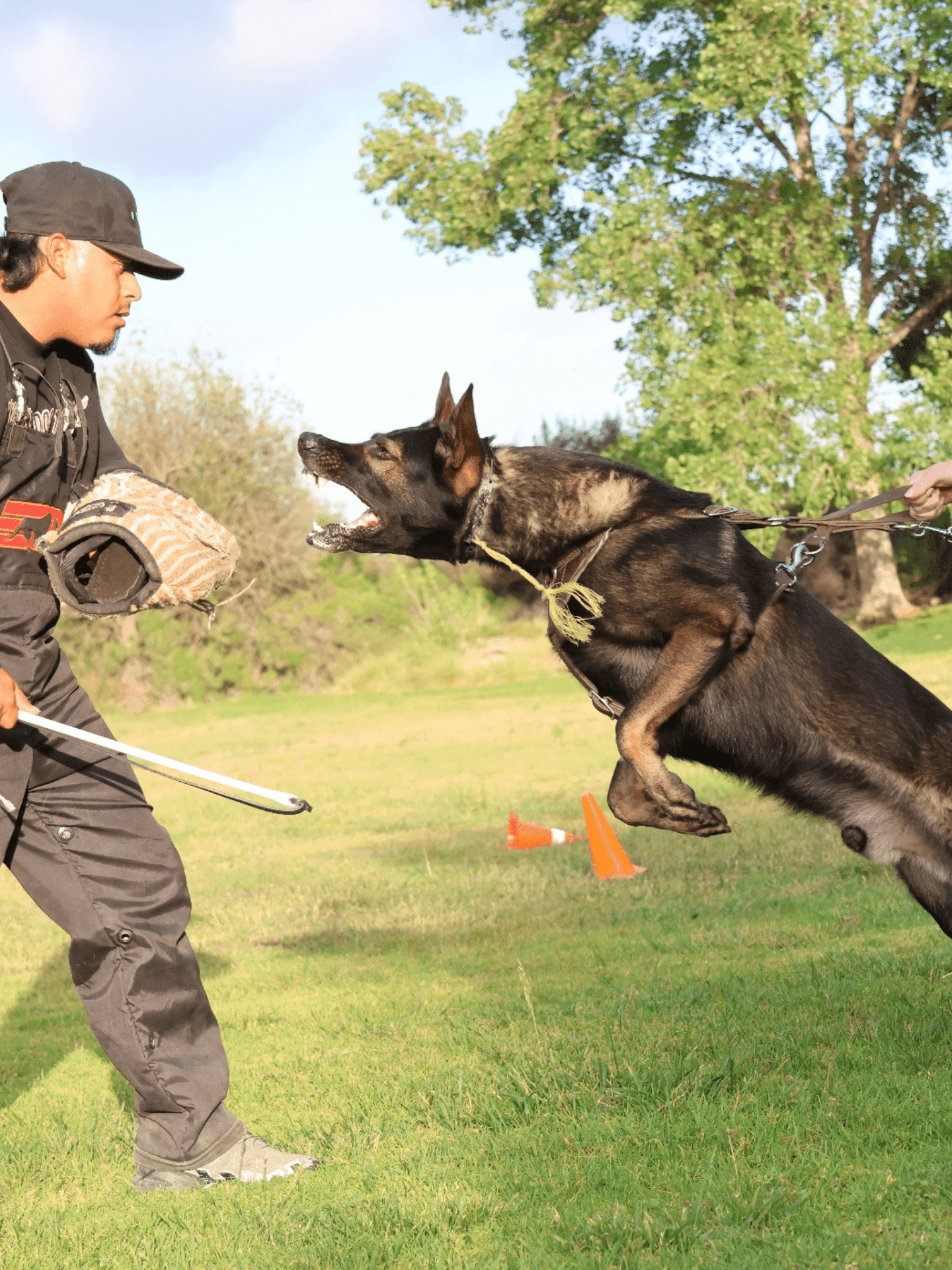
Has your canine companion’s behavior become a source of concern? It’s a common predicament for many dog owners, and finding the right support is crucial. In San Diego, a city known for its vibrant dog-loving community, accessing professional help for Aggressive Dog Training In San Diego is more attainable than ever. This guide is designed to illuminate the path towards understanding and effectively managing canine aggression, ensuring a happier, safer environment for both you and your beloved pet.
Dogs exhibit aggression for a myriad of reasons, stemming from fear, anxiety, territorial instincts, or even medical conditions. Recognizing the root cause is the first vital step in addressing the issue. Many owners mistakenly believe that aggression is a sign of a dog’s dominance, but more often than not, it’s a communication of distress or discomfort. Understanding these nuances is key to successful training.
Understanding the Roots of Canine Aggression
Canine aggression isn’t a monolithic issue; it manifests in various forms and stems from diverse triggers. Before embarking on any training program, it’s essential to get a grasp on why your dog might be exhibiting these behaviors.
Why Do Dogs Become Aggressive?
Several factors can contribute to a dog displaying aggression:
- Fear and Anxiety: A dog that feels threatened or insecure may lash out as a defense mechanism. This can be triggered by unfamiliar people, other animals, loud noises, or specific environments.
- Territoriality: Dogs naturally protect their space, whether it’s their home, yard, or even their owner. This can lead to aggression towards perceived intruders.
- Resource Guarding: Some dogs become possessive of their food, toys, or even their resting spots, growling or snapping at anyone who approaches.
- Pain or Medical Conditions: Sudden aggression can sometimes signal an underlying health issue. A dog in pain might react aggressively when touched or approached.
- Frustration: Leash frustration, for instance, occurs when a dog is unable to reach something it desires (like another dog or a squirrel) and redirects its frustration aggressively.
- Predatory Drive: While less common in typical household aggression, some breeds have a strong prey drive that can be misdirected.
Identifying Triggers and Warning Signs
Effective aggressive dog training in San Diego starts with keen observation. Learning to identify your dog’s specific triggers and the subtle warning signs before an aggressive incident occurs is paramount. These signs can include:
- Stiffening of the body
- Hard stares
- Growling
- Showing teeth
- Lip licking
- Yawning (when not tired)
- Ears pinned back or forward
- Tail tucked or held high and stiff
Recognizing these signals allows you to intervene early, de-escalate the situation, and prevent an outburst.
Finding Professional Aggressive Dog Training in San Diego
Navigating the complexities of dog aggression can be overwhelming. Fortunately, San Diego boasts a wealth of experienced professionals dedicated to helping dogs and their owners. When seeking aggressive dog training in San Diego, it’s important to find a trainer who employs positive, science-based methods.
What to Look for in a Trainer
- Credentials and Experience: Look for certifications from reputable organizations (e.g., CCPDT, IAABC) and inquire about their specific experience with aggressive behavior.
- Training Philosophy: Prioritize trainers who use positive reinforcement, counter-conditioning, and desensitization techniques. Avoid trainers who advocate for punishment-based methods, as these can often exacerbate aggression and fear.
- Assessment Process: A good trainer will start with a thorough behavioral assessment to understand the root cause of the aggression.
- Personalized Plan: The trainer should develop a customized training plan tailored to your dog’s specific needs and your lifestyle.
- Communication: The trainer should communicate clearly, educate you on the process, and provide ongoing support.
Types of Training Programs
- Private Training: One-on-one sessions offer personalized attention and are often the most effective for addressing severe aggression. This allows the trainer to work directly with your dog in its environment.
- Board and Train: For more intensive cases, a board and train program (sometimes referred to as dog training escondido ca if located there) allows the dog to live with the trainer for a set period, receiving consistent, immersive training.
- Behavior Modification Programs: These are structured plans that focus on changing the dog’s emotional response to triggers.
Core Principles of Aggressive Dog Training
Successful aggressive dog training in San Diego relies on a deep understanding of canine behavior and a commitment to consistent, compassionate methods. The goal is not to suppress the aggression but to change the underlying emotion and teach the dog alternative, acceptable behaviors.
Positive Reinforcement
This is the cornerstone of modern, ethical dog training. Positive reinforcement involves rewarding desired behaviors, making them more likely to occur in the future. For an aggressive dog, this might mean rewarding calm behavior when a trigger is present or rewarding a voluntary check-in with the owner.
Counter-Conditioning and Desensitization (CC/DS)
These techniques work hand-in-hand:
- Desensitization: Gradually exposing the dog to a trigger at a low intensity, where they don’t react aggressively.
- Counter-Conditioning: Changing the dog’s emotional response to the trigger by pairing it with something highly positive, like a favorite treat or toy.
For example, if a dog is reactive towards other dogs, desensitization might involve seeing another dog at a far distance where the dog is calm. Counter-conditioning would involve giving the dog high-value treats the moment it sees the other dog at that distance, creating a positive association. This process is done very slowly and incrementally.
Management Strategies
While training is in progress, management is crucial to prevent incidents and ensure safety. This includes:
- Avoiding Triggers: Identifying and avoiding situations or environments that predictably trigger your dog’s aggression.
- Using Tools: Employing tools like muzzles (properly introduced and conditioned), secure harnesses, and leashes can provide safety during training and in public. For walking, considering dog training collars for walking might be an option, but only under professional guidance and ensuring they are humane.
- Creating a Safe Space: Ensuring your dog has a secure, comfortable place where they can retreat and feel safe.
The Role of Socialization and Environment
While intense socialization can be challenging for a dog exhibiting aggression, controlled and positive exposure is still vital.
Socialization for Reactive Dogs
For dogs with aggression issues, “socialization” doesn’t mean plunging them into chaotic dog parks. Instead, it involves carefully managed, positive encounters. This could be observing other dogs from a safe distance, meeting calm, known dogs in a controlled setting, or engaging in parallel walks. The aim is to build positive associations and confidence. Understanding dog socialization training near me can help you find local resources.
Environmental Enrichment
A mentally and physically stimulated dog is less likely to develop or display problem behaviors. Providing puzzle toys, varied walking routes, and engaging training sessions can significantly improve a dog’s overall well-being and reduce frustration.
When to Seek Immediate Professional Help
If your dog exhibits severe aggression, has bitten someone, or if you feel your safety or the safety of others is at risk, do not delay in seeking professional help. An experienced behaviorist or certified trainer specializing in aggressive dog training in San Diego can provide the immediate guidance and intervention needed.
Frequently Asked Questions About Aggressive Dog Training
Q1: Can an aggressive dog be rehabilitated?
A1: Yes, many aggressive dogs can be successfully rehabilitated with the right professional guidance, consistent training, and a deep understanding of their behavior. It often requires patience and commitment.
Q2: How long does aggressive dog training take?
A2: The timeline varies greatly depending on the dog’s age, the severity and type of aggression, the underlying cause, and the owner’s consistency. Some progress can be seen in weeks, while more complex cases may take months or even longer.
Q3: Is punishment ever necessary for aggressive dogs?
A3: Modern, science-based training strongly advises against punishment for aggression. Punishment can suppress warning signs, increase fear and anxiety, and potentially make the aggression worse or more dangerous. Positive, reward-based methods are far more effective and humane.
Q4: What if my dog is aggressive due to pain?
A4: If aggression is sudden or uncharacteristic, a veterinary check-up is essential to rule out medical causes. If pain is identified, addressing the medical issue is the first step, often followed by behavior modification.
Q5: What is the difference between aggression and resource guarding?
A5: Resource guarding is a specific type of aggression where a dog protects valuable items (food, toys, a resting spot). While related, understanding this specific motivation helps tailor the training approach. For learning more about specific training needs, resources like how to train an emotional support dog for anxiety offer insights into focused behavioral modification.
Conclusion: Building a Stronger Bond Through Understanding
Dealing with dog aggression is a challenging journey, but it’s one that can lead to a profoundly strengthened bond between you and your dog. By seeking knowledgeable professionals for aggressive dog training in San Diego, understanding the root causes of the behavior, and committing to positive, consistent training methods, you can help your dog live a more confident, less fearful, and ultimately, a happier life. Remember, every dog deserves a chance to be understood and loved, and with the right support, a harmonious coexistence is entirely achievable.
