
Dealing with an aggressive dog can be a challenging and sometimes frightening experience for any owner. The decision to seek professional help, especially through specialized boarding facilities, is often a crucial step towards helping your canine companion overcome these behavioral issues. Aggressive Dog Training Boarding programs are designed to provide a structured, safe, and expert-led environment where dogs can learn to manage their aggression and develop more positive behaviors. This approach offers a comprehensive solution for owners struggling to address deep-seated behavioral problems in their pets.
The journey of addressing dog aggression requires patience, understanding, and the right kind of professional intervention. Boarding facilities that specialize in aggressive dog training offer a unique advantage: immersion. Unlike daily training sessions, a boarding program allows dogs to be in a consistent, controlled environment 24/7, which can significantly accelerate progress. These programs are not about punishment but about understanding the root causes of aggression and implementing scientifically-backed training methods to foster trust and positive reinforcement.
Understanding Canine Aggression: More Than Just a Bad Attitude
Canine aggression isn’t a single behavior but a spectrum of responses rooted in various underlying causes. It’s vital to understand that aggression is often a symptom, not the core problem itself.
Common Triggers for Aggression in Dogs
- Fear: Many aggressive outbursts stem from a dog feeling threatened or cornered. This can be triggered by loud noises, unfamiliar people, or other animals.
- Territoriality: Dogs may exhibit aggression to protect their perceived space, whether it’s their home, yard, or even their owner.
- Resource Guarding: This involves aggression directed at anyone who approaches while the dog is in possession of something valuable, like food, toys, or a resting spot.
- Pain or Illness: Sudden aggression can be a sign of underlying medical issues. A dog in pain may lash out unexpectedly.
- Frustration: When a dog is unable to achieve a goal, such as reaching another dog or a person, frustration can build and manifest as aggression.
- Socially Inadequate Dogs: Dogs that haven’t had proper socialization during their critical developmental periods may be more prone to fear-based aggression.
Identifying the specific triggers for your dog’s aggression is the first critical step in developing an effective training plan.
The Role of Genetics and Environment
While environmental factors and training play a significant role, genetics can also predispose certain breeds or individual dogs to specific temperaments. However, even with a genetic predisposition, proper socialization and training can often mitigate aggressive tendencies. It’s a combination of nature and nurture that shapes a dog’s behavior.
What to Expect from an Aggressive Dog Training Boarding Program
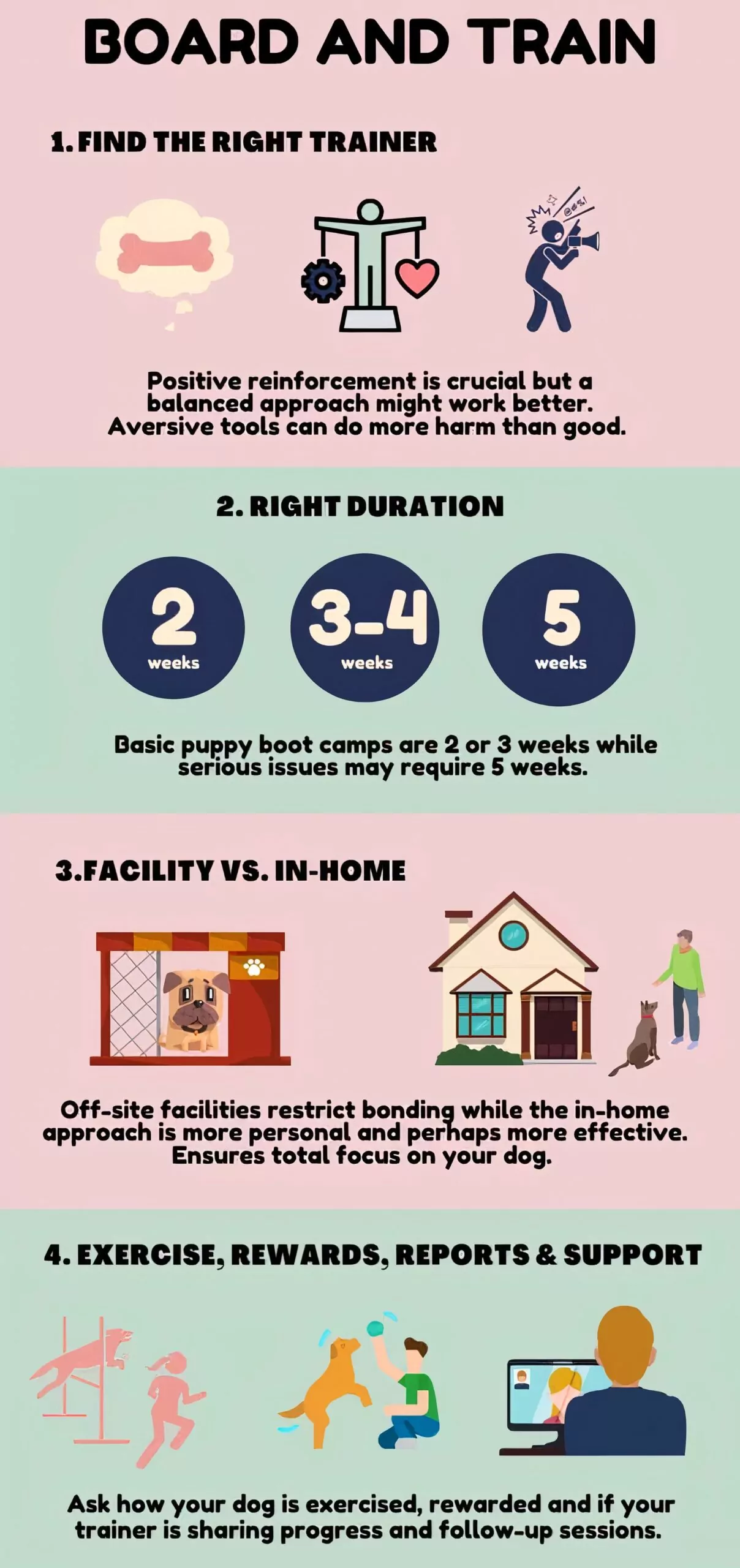
Choosing an aggressive dog training boarding program is a significant commitment, and understanding what these programs entail is crucial for setting realistic expectations and ensuring a good fit for both you and your dog.
The Assessment Phase
Before any training begins, a reputable facility will conduct a thorough assessment of your dog. This typically involves observing the dog in various situations to identify specific triggers, the intensity of the aggression, and the underlying emotional state (e.g., fear, anxiety, dominance). This assessment is fundamental for creating a tailored training plan.
Training Methodologies Employed
Programs for aggressive dog training boarding typically avoid punitive or harsh methods. Instead, they focus on:
- Positive Reinforcement: Rewarding desired behaviors to encourage their repetition. This builds a positive association with calm responses.
- Desensitization and Counter-Conditioning: Gradually exposing the dog to triggers at a low intensity while pairing them with positive experiences (like treats or praise) to change the dog’s emotional response from negative to positive.
- Building Confidence: Many aggressive dogs lack confidence. Training exercises are designed to boost their self-esteem and reduce their need to react aggressively out of insecurity.
- Management Techniques: Teaching owners and dogs strategies to avoid or de-escalate potentially aggressive situations.
These methods are humane, effective, and aim to build a stronger, trusting relationship between the dog and its owner.
The Importance of Owner Involvement
A crucial component of successful aggressive dog training boarding is owner participation. Most programs include sessions where owners learn the techniques their dogs have been taught. This ensures that the progress made during boarding can be maintained and continued at home. Without owner involvement, the effectiveness of the program can be severely limited once the dog returns home.
Choosing the Right Boarding Facility: Key Considerations
Not all boarding facilities are equipped to handle aggressive dogs, and even among those that are, quality can vary significantly.
Qualifications and Experience of Trainers
Look for facilities with certified professional dog trainers (CPDT-KSA, KPA-CTP, etc.) who have specific experience in dealing with aggression. Don’t hesitate to ask about their credentials, their training philosophy, and their success rates with similar cases.
Safety Protocols and Environment
A safe environment is paramount. Inquire about their containment methods, how they manage dog-to-dog interactions, and their protocols for handling emergencies. The facility should be clean, secure, and offer adequate space for the dogs.
Communication and Transparency
A good facility will maintain open communication with you throughout the boarding period. They should provide regular updates on your dog’s progress, challenges, and training schedule. Transparency about their methods and expected outcomes is a must.
Post-Boarding Support
The training doesn’t end when you pick up your dog. Ask about follow-up support services, such as return visits, one-on-one sessions, or ongoing advice. This ensures a smoother transition back home and continued progress.
Benefits Beyond Behavioral Modification
While the primary goal of aggressive dog training boarding is to address aggression, the benefits extend much further, positively impacting both the dog and the owner’s life.
Improved Quality of Life for the Dog
A dog that is not constantly living with fear, anxiety, or the impulse to lash out experiences a significantly improved quality of life. They can engage more freely with their environment and people without the burden of their aggressive behaviors.
Enhanced Owner-Dog Relationship
Successfully addressing aggression leads to a stronger bond built on trust and mutual understanding. Owners who have navigated these challenges often report a deeper connection with their dogs, knowing they’ve worked through difficult issues together.
Increased Safety for the Community
By rehabilitating aggressive dogs, these programs contribute to a safer environment for family members, visitors, and the wider community.
Empowering Dog Owners
Navigating aggression can be isolating. Owners who seek professional help and see positive results gain confidence in their ability to manage their dog’s needs and advocate for their pet’s well-being.
Aggressive dog training boarding offers a structured, professional path to addressing complex behavioral issues. By understanding the process, choosing the right facility, and actively participating in the training, owners can help their dogs lead happier, more balanced lives. The journey requires dedication, but the reward of a well-adjusted canine companion is immeasurable.
Frequently Asked Questions About Aggressive Dog Training Boarding
Q1: How long does an aggressive dog training boarding program typically last?
A1: Program lengths vary greatly depending on the severity of the aggression and the individual dog’s learning pace. Most programs range from a few weeks to several months.
Q2: Will my dog become perfectly non-aggressive after boarding?
A2: While significant improvement is expected, “perfectly non-aggressive” is an ambitious goal. The aim is to manage aggression, reduce frequency and intensity, and teach appropriate coping mechanisms. Ongoing management and training at home are crucial.
Q3: Is aggression solely the owner’s fault?
A3: Aggression is complex and can stem from a combination of factors including genetics, past experiences, socialization, and owner handling. It’s rarely solely one person’s fault.
Q4: What if my dog shows aggression towards other dogs during boarding?
A4: Reputable facilities have strict protocols for managing inter-dog interactions. Dogs are typically separated initially and introduced slowly and carefully under strict supervision.
Q5: Can you recommend a specific aggressive dog training boarding facility?
A5: Choosing a facility is highly personal and depends on your location and specific needs. It’s best to research local trainers and facilities that specialize in aggression and have strong, positive reviews.
Q6: What should I do if my dog regresses after returning home?
A6: Regression can happen. It’s important to remain calm, revisit the management and training techniques learned during boarding, and contact your trainer or facility for guidance and support. Consistent application of learned behaviors is key.
The decision to enroll your dog in an aggressive dog training boarding program is a testament to your commitment to their well-being and a more harmonious life together. With the right approach and professional guidance, even the most challenging behavioral issues can be overcome.
