
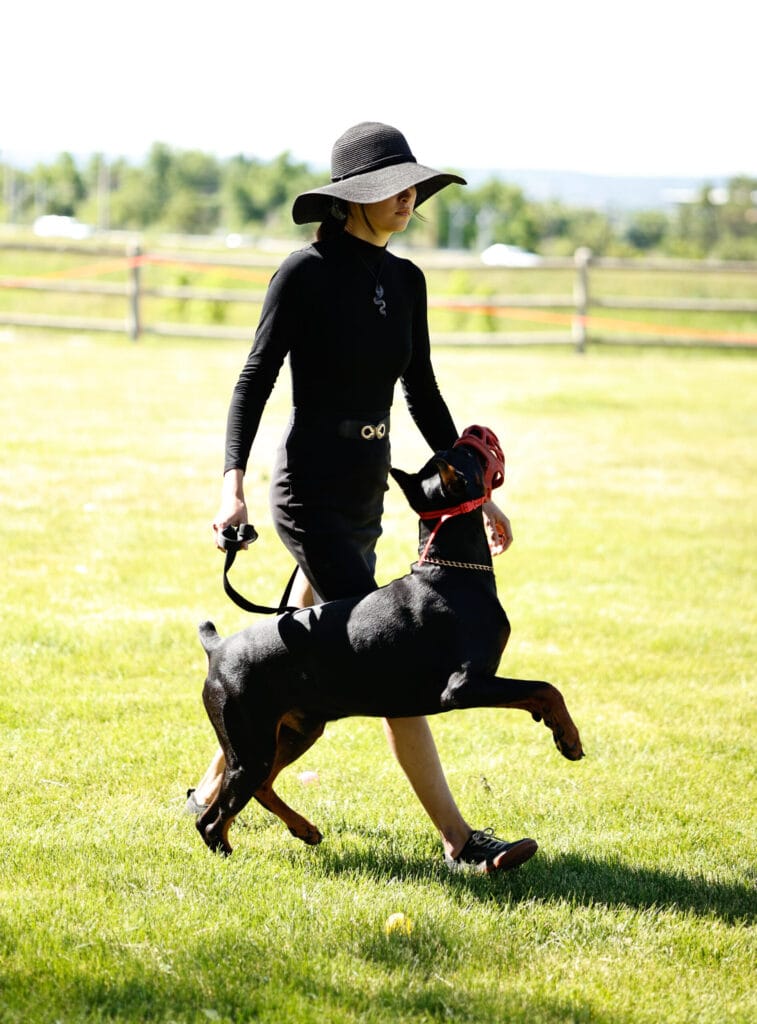
Dealing with an aggressive dog can be a stressful and often frightening experience for any pet owner. If you’re in Austin, Texas, and struggling with your dog’s aggressive behaviors, you’re not alone, and thankfully, there are resources available to help. Finding qualified and effective aggressive dog training in Austin, TX, is crucial for the safety and well-being of your dog, your family, and the community. This guide will help you navigate the process of finding the right professional and understand what to look for.
Understanding Canine Aggression
Before diving into training options, it’s important to understand that aggression in dogs is a complex issue with various underlying causes. It’s not simply a matter of a “bad dog,” but rather a symptom of fear, anxiety, pain, resource guarding, territoriality, or learned behaviors.
- Fear-Based Aggression: This is one of the most common types. A dog may lash out when it feels threatened, cornered, or uncomfortable with a person, another animal, or a situation.
- Resource Guarding: Dogs may display aggression to protect highly valued items like food, toys, or even their favorite resting spot from perceived threats.
- Territorial Aggression: This type of aggression is typically shown towards strangers or unfamiliar animals entering what the dog perceives as its territory (home, yard, car).
- Redirected Aggression: When a dog is intensely focused on something it can’t reach (like a squirrel or another dog behind a fence), it might redirect its frustration and aggression onto the nearest target, which could be a person or another pet.
- Pain or Medical Issues: Sudden aggression can sometimes be a sign of underlying medical problems or pain. A veterinary check-up is always a good first step if aggression appears suddenly.
Why Professional Help is Essential for Aggressive Dog Training in Austin, TX
While many training resources are available online, aggressive behaviors often require a nuanced understanding and professional intervention. A qualified trainer or behaviorist can:
- Accurately Assess the Aggression: They can identify the type and triggers of the aggression, which is the first step toward a successful training plan.
- Develop a Customized Training Plan: Generic advice rarely works for complex behavioral issues. A professional will tailor a plan to your specific dog and situation.
- Ensure Safety: They have the experience to manage and train aggressive dogs safely, minimizing the risk of incidents.
- Teach You Effective Management Techniques: Beyond training, learning how to manage your dog’s environment to prevent aggressive outbursts is key.
- Provide Support and Guidance: The journey can be challenging, and having a professional to guide you through setbacks is invaluable.
Finding the Right Aggressive Dog Trainer in Austin, TX
When searching for a professional, especially for aggressive dog training in Austin, TX, prioritize credentials, experience, and methodology.
What to Look For in a Trainer or Behaviorist:
- Credentials and Certifications: Look for certifications from reputable organizations such as the Certification Council for Professional Dog Trainers (CPDT-KA/KSA), the Karen Pryor Academy (KPA), or the Academy for Dog Trainers (ADT). For severe cases, consider a Certified Applied Animal Behaviorist (CAAB) or a Veterinary Behaviorist (DACVB).
- Experience with Aggression: Ensure the professional has specific experience working with aggressive dogs. Ask about their success rates and the types of aggression they’ve handled.
- Humane and Science-Based Methods: Avoid trainers who use punishment-based techniques (e.g., choke chains, prong collars, shock collars, intimidation tactics). These methods can suppress behavior temporarily but often worsen underlying fear and anxiety, potentially increasing aggression. Look for trainers who use positive reinforcement, counter-conditioning, and desensitization.
- Clear Communication and Empathy: A good trainer will explain their methods clearly, listen to your concerns, and show empathy for both you and your dog.
- References and Reviews: Check online reviews and ask for references from past clients.
- Assessment Process: A thorough assessment should be part of their initial consultation. This allows them to understand your dog’s history, behavior, and environment.
Questions to Ask Potential Trainers:
- “What are your qualifications and certifications?”
- “How much experience do you have specifically with aggressive dogs?”
- “What training methods do you use, and why?”
- “Can you describe your process for assessing and treating aggression?”
- “What is your policy on safety during training sessions?”
- “What are your fees and session structure?”
- “Can you provide references from clients with similar issues?”
Local Resources for Aggressive Dog Training in Austin, TX
Austin has a vibrant dog-loving community and several reputable professionals. While this list is not exhaustive, it can serve as a starting point for your search:
- [Search for reputable dog training facilities in Austin specializing in behavior modification]
- [Look for certified applied animal behaviorists or veterinary behaviorists serving the Austin area]
Remember to conduct your own thorough research on any trainer or behaviorist you consider.
The Training Process: What to Expect
Working with a professional for aggressive dog training in Austin, TX, typically involves several stages:
- Initial Consultation and Assessment: The trainer will meet with you and your dog to observe behavior, discuss history, and identify triggers.
- Behavior Modification Plan: Based on the assessment, a personalized plan will be created. This might include management strategies to prevent incidents, environmental changes, and specific training exercises.
- Training Sessions: These can be private sessions, group classes (though specialized classes are usually recommended for aggression), or a combination. The trainer will work directly with your dog and also coach you on how to implement the training at home.
- Ongoing Support: Many trainers offer follow-up support to ensure progress and address any new challenges that arise.
Managing Your Dog’s Aggression at Home
While professional training is vital, your role at home is equally important.
- Management: This is paramount. Prevent situations that trigger your dog’s aggression. This might mean using baby gates, leashes, crates, or avoiding certain environments until your dog is better equipped to handle them.
- Avoidance: Until your dog’s behavior improves, it’s best to avoid situations that predictably lead to aggression. This protects everyone involved and prevents the dog from practicing aggressive responses.
- Consistency: Ensure all family members are on the same page with training commands and management strategies.
- Patience: Behavior modification takes time. Celebrate small victories and don’t get discouraged by setbacks.
When Aggression is Severe
For dogs exhibiting severe aggression, or if there’s a risk of serious harm, it’s crucial to seek professional help immediately. In some extreme cases, a veterinary behaviorist may be the most appropriate resource. They can assess medical factors and recommend the most effective treatment plan, which might include medication in conjunction with behavior modification.
Conclusion
Addressing canine aggression requires dedication, patience, and the right professional guidance. If you’re in Austin, TX, seeking aggressive dog training is a responsible step toward a safer and happier life for both you and your canine companion. By carefully selecting a qualified professional who uses humane, science-based methods, you can work towards understanding and modifying your dog’s behavior, strengthening your bond, and ensuring a positive future for your furry family member.
