
Dealing with aggressive dog behavior can be a challenging and sometimes frightening experience for any pet owner. It’s natural to feel concerned, but the good news is that with the right approach and professional guidance, many dogs can overcome aggression and become well-adjusted companions. This guide will help you understand aggressive dog behavior, explore training options, and find effective solutions near you.
Understanding Dog Aggression: More Than Just Barking
Aggression in dogs isn’t a single behavior but rather a spectrum of actions that can arise from various underlying causes. It’s crucial to identify the triggers and motivations behind your dog’s behavior to address it effectively. Common types of aggression include:
- Fear-based aggression: This occurs when a dog feels threatened or cornered and resorts to aggression to protect itself.
- Territorial aggression: Dogs may become aggressive when they perceive a threat to their territory, whether it’s their home, yard, or even their owner.
- Resource guarding: This involves aggression displayed when a dog is protecting something it values, such as food, toys, or even a favorite spot.
- Social aggression: This can manifest in interactions with other dogs, especially if they haven’t been properly socialized.
- Predatory aggression: While less common in typical pet dogs, this is an instinctual drive to chase and catch prey.
- Pain-induced aggression: A dog in pain may lash out if touched or approached, as it can be a sign of discomfort or fear.
- Maternal aggression: Female dogs may display aggression to protect their puppies.
It’s important to consult with a veterinarian to rule out any underlying medical conditions that might be contributing to the aggressive behavior. Sometimes, pain or a neurological issue can be the root cause.
When to Seek Professional Help for Aggressive Dog Behavior
If your dog is exhibiting signs of aggression, it’s vital to seek professional help. Ignoring the problem can not only worsen the behavior but also put people and other animals at risk. Look for professionals who specialize in Aggressive Dog Behavior Training Near Me. This includes:
- Certified Applied Animal Behaviorists (CAABs): These professionals have advanced degrees in animal behavior and are highly qualified to diagnose and treat complex behavioral issues.
- Veterinary Behaviorists (DACVB): These are veterinarians who have completed specialized training in animal behavior. They can diagnose behavioral problems and prescribe medication if necessary.
- Certified Professional Dog Trainers (CPDT-KA or CPDT-KSA): While many trainers work with behavioral issues, ensure they have specific experience and certifications in handling aggression. Look for trainers who use positive reinforcement methods.
When searching for trainers, don’t hesitate to ask about their experience with aggressive dogs, their training methodologies, and any success stories they can share. Understanding the trainer’s approach to dog training boot camp or other intensive programs is also important.
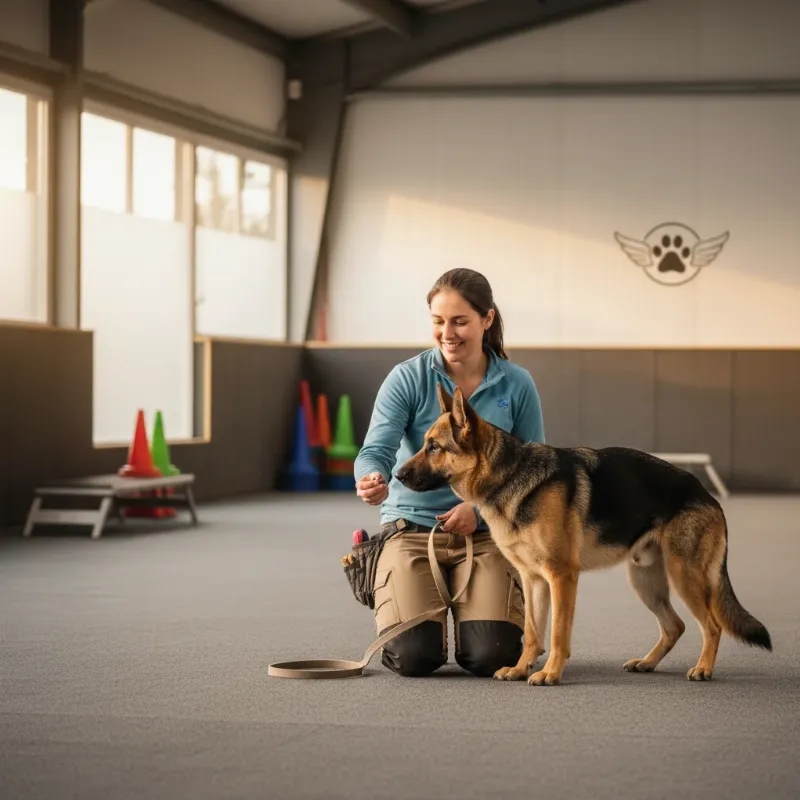 Professional dog trainer working with an aggressive dog using positive reinforcement techniques
Finding Aggressive Dog Behavior Training Near You
The first step is to identify local resources. Here’s how you can find qualified professionals:
- Veterinarian Referrals: Your veterinarian is an excellent starting point. They often have a network of trusted behaviorists and trainers they can recommend.
- Online Search: Use search terms like “aggressive dog behavior training near me,” “dog aggression specialist [your city],” or “professional dog trainer for aggression.” Be sure to thoroughly research any trainer you find.
- Professional Organizations: Websites of organizations like the Certification Council for Professional Dog Trainers (CCPDT) or the American Veterinary Society of Animal Behavior (AVSAB) often have directories of certified professionals.
- Rescue Organizations: Local animal shelters and rescue groups often work with experienced trainers and behaviorists and can provide recommendations.
When considering a trainer, pay attention to their methods. Force-based or aversive techniques can exacerbate aggression and are generally not recommended. Positive reinforcement, focusing on rewarding desired behaviors, is considered the most humane and effective approach. This is also crucial for understanding rattlesnake training for dogs Tucson or any specialized training, ensuring it’s done safely and ethically.
Effective Training Strategies for Aggressive Dogs
Once you’ve found a qualified professional, they will likely implement a tailored training plan. Common strategies include:
- Behavior Modification: This involves changing the dog’s emotional response to triggers through desensitization and counter-conditioning. For example, a dog fearful of strangers might be gradually exposed to people at a distance where they feel comfortable, with positive reinforcement.
- Management: This is crucial for preventing the dog from practicing aggressive behaviors while training is ongoing. It might involve using crates, baby gates, or keeping the dog on a leash in certain situations.
- Obedience Training: A strong foundation in basic obedience commands can improve communication and control. Commands like “sit,” “stay,” and “come” are essential. For advanced control, consider programs like smart dog trainer PetSafe offers, but always under professional guidance.
- Environmental Enrichment: Ensuring your dog gets enough physical and mental stimulation can reduce anxiety and boredom, which can sometimes contribute to aggression. Puzzle toys, interactive games, and regular exercise are key.
- Understanding Dog Body Language: Learning to read your dog’s subtle cues can help you anticipate and de-escalate potentially aggressive situations before they occur.
For specific challenges, like leash reactivity or fear of other dogs, trainers might employ techniques similar to those used in big basin dog training or other specialized programs that focus on controlled, positive exposure.
“Many owners feel embarrassed or ashamed about their dog’s aggression, but it’s important to remember that most aggressive behaviors stem from fear, anxiety, or a lack of understanding. The goal is to build trust and communication, not to punish.” – Dr. Emily Carter, Veterinary Behaviorist
What to Avoid When Dealing with Aggression
- Punishment: Punishing an aggressive dog, especially after an incident, can increase fear and anxiety, potentially making the aggression worse. This includes harsh verbal reprimands, physical corrections, or the use of shock collars for punishment. While some tools like Petsmart dog training collars might be discussed, their use in aggression cases should only be under strict professional supervision, and often, positive methods are preferred.
- Forcing Interactions: Never force your dog into situations that make them uncomfortable, such as forcing them to interact with strangers or other dogs if they are showing signs of stress.
- Ignoring the Problem: Hoping the aggression will disappear on its own is rarely effective and can be dangerous.
- DIY Training for Severe Aggression: While general obedience is manageable, severe aggression requires expert intervention.
The Role of Socialization and Early Intervention
Proper socialization during a puppy’s critical developmental periods (roughly 3 to 16 weeks) is foundational in preventing aggression. Exposing puppies to various people, places, sounds, and other well-behaved dogs in a positive way helps them develop into confident, well-adjusted adults. If you have a young puppy, investing in a good puppy socialization class is highly recommended.
For owners of adult dogs with behavioral issues, a qualified trainer can help implement a carefully managed socialization plan, often focusing on building confidence and positive associations.
Building a Stronger Bond Through Training
Aggressive dog behavior training is not just about correcting a problem; it’s also about strengthening the bond between you and your dog. By working through challenges together, with patience and understanding, you build trust and a deeper connection. Remember, every dog is an individual, and with the right support, you can help your dog overcome aggression and live a happier, more confident life.
If you’re struggling with your dog’s aggressive behavior, don’t delay in seeking professional assistance. Finding the right aggressive dog behavior training near me can make all the difference.
